Stress management tips
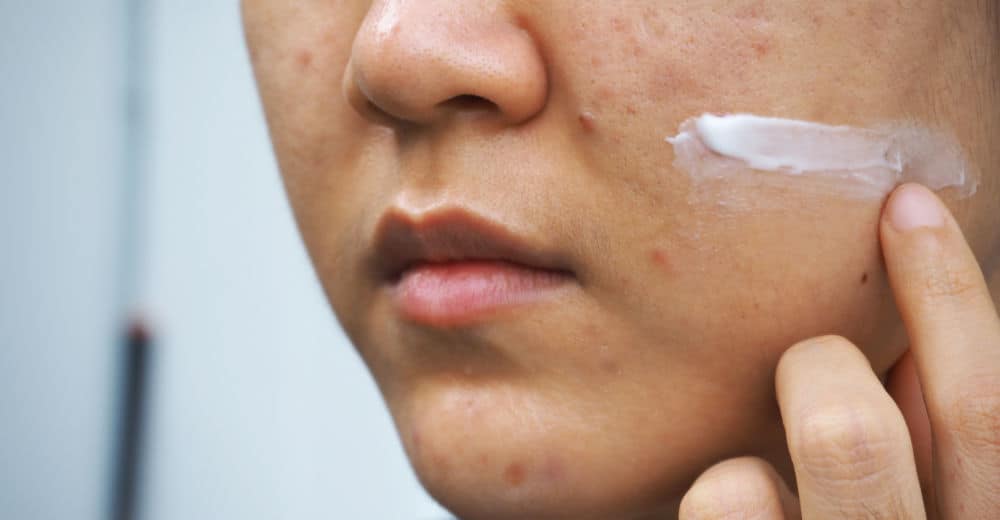
Managing stress is essential for overall well-being and can also have a positive impact on your skin health if you have an inflammatory skin condition, like acne.


Managing stress is essential for overall well-being and can also have a positive impact on your skin health if you have an inflammatory skin condition, like acne.
This weekend, I was asked to write a guest column in the Sunday Times Style. The topic – talking to teens about acne, and what I have learned as a Dermatologist and also step mum to a teenager.
Not too long ago you could ask any skincare expert which product or ingredient they’d recommend for glowing skin and nine times out of 10 their answer would be some kind of exfoliating acid. But is the tide starting to turn?
A recent Dermatology study concluded that most of the information found online regarding diet and acne was misleading or unfounded.
The underlying process is the same in teenage and adult acne, but the pattern of involvement may be different.
There are a number of potential causes for acne and any combination of these may be acting at the same time.
Sleep is increasingly recognised as being key to our general health and wellbeing, with sleep deprivation linked to various skin concerns.
Melasma is a common, acquired disorder of hyperpigmentation that causes brown patches on the cheeks, forehead, upper lip and jawline.
Do you have a teen in your life who is struggling with oily skin, blackheads or breakouts? Read below to discover my tips.
Research indicates that between one and two thirds of female acne sufferers will have a flare around the time of their period.
Back acne – why does it happen and how do we get rid of it? Let’s talk sebum, sweat and skincare products.
I was recently featured on the home page of Get The Gloss talking all about my favourite beauty buys with journalist Judy Johnson. In case you missed it, I’ve posted a copy of the original interview just below. For details of where to find the products I’ve mentioned, click on the link at the bottom of this page to go to the article on the Get The Gloss site. Here goes… Where do you prefer to shop for beauty (on or offline) and why? In general, I prefer to shop for new beauty products in-store so I can test how they really look and feel before buying. There is a wonderful pharmacy just round the corner from my clinic on Harley Street (John Bell & Croyden) that carries all of my favourite skincare lines, so this is usually my first port of call. If I’m short on time and already know exactly what I want, or if a product is a bit niche and I don’t have time to trawl around looking for it, I will buy online from escentual.com or skinoracle.com. What’s the last makeup item you bought and why do you like it? I have a bit of a concealer habit and the last makeup item I bought was Bare Minerals SPF20 Correcting Concealer. It has a really nice creamy texture and gives good coverage, so I use it to cover dark circles under my eyes. I love the fact that it doesn’t crease or flake because the skin under my eyes tends to get quite dry as it is. My favourite concealer for covering spots, on the other hand, is the Vichy Dermablend corrector stick. And your most recent skincare purchase? I’m now in my mid 30s, so my top skin priorities are keeping blemishes at bay and also slowing the signs of ageing. This means that I use a product containing vitamin A – a retinoid or retinol – at night. There are a couple I go between, but I’ve just topped up my La Roche Posay Redermic R again. Which products do you gift to friends? I’m pretty strict about sticking to my skincare routine so don’t deviate all that much, even when given new beauty products to try. My sisters and my Mum will often volunteer to “help out” if I’m given something to test and it’s better suited to their skin than mine! In terms of buying gifts for friends, I will often pick a mask or something like that which can be used as a treat. Some of my favourites are the Skinceuticals Phytocorrective masque for soothing tired skin or Medik8 Natural Clay mask for soaking up shine. You have £500 to spend at a makeup counter. Which one do you choose and why? Ooh that’s tough. One of the nicest things about having good skin these days is not having to wear loads of makeup, so I tend to keep things quite simple. If I had £500 to splurge on makeup, I’d probably head to SpaceNK where I usually buy my staple products and add a few extras to the basket. Some of my all-time favourites are Nars – I like their Blush in Orgasm, Bronzing Powder in Laguna and I adore the new limited edition Nars Erdem lipstick in Bloodflower, Laura Mercier – Secret Camouflage Concealer, Eyeko – Brow Gel and Liquid Eyeliner and Hourglass – Liquid Powder Foundation and Veil Translucent Setting Powder. Have you ever had your makeup done at a makeup counter? Which brand and what did you think of it? I was always really self-conscious about my skin as a teenager so the idea of letting someone else do my makeup was terrifying. Once my spots were under control, I could finally enjoy getting glammed up. I had my makeup done at a Nars counter some years ago and was so thrilled with the result that I immediately went and bought all of the products that had been used. Sadly, I wasn’t able to recreate the look when I tried it on my own at home, but there were a few bits that I really loved and still use to this day. The Nars bronzing powder in Laguna is an example. What would be in your Boots or supermarket shopping basket beauty-wise? 1.Aveeno cream and body wash which are both moisturising essentials. 2.Bioderma Atoderm hand cream which I keep by the sink in my clinic and in my handbag. 3.Flexitol balm which I massage into my heels every night after I shower to keep my feet soft and smooth. 4.For my face, I prefer a really mild gel or cream cleanser and a simple, nourishing moisturiser as these help me to tolerate the active ingredients in my skincare routine better. La Roche Posay and Avene have great options. What’s your favourite budget beauty buy? Garnier Micellar Cleansing Water for sensitive skin. It’s super gentle and works just as well as other micellar waters that cost ten times the price. I use it every evening to take off my makeup before cleansing and also carry it in my gym bag so I can make sure my skin is squeaky clean before and after every workout. And the most expensive? Skinceuticals Phloretin CF serum is probably the most expensive skincare product I buy, but well worth the investment. It contains 10% pure vitamin C (L-ascorbic acid) and a host of other antioxidant ingredients which help to reduce damage to the skin from UV rays and city pollution. Unlike lots of other serums, it isn’t greasy and doesn’t clog pores so can be safely used on breakout-prone skin. Where do you get your hair done and what products and treatments/tools do you buy? I absolutely love my hairdresser (Mario Sammour in St John’s Wood) and keep telling him that he’s never allowed to move away or retire as I don’t know what I would do without him. My hair is very fine, but he makes it look like
In case you missed my facial sunscreen recommendation in “9 Facial SPFs Rated By The Experts” in Sheerluxe last week, this is what I had to say… “Having suffered with acne for many years, it’s important for me to use an SPF moisturiser every morning that gives effective UV protection, but won’t give me spots. Garnier Ambre Solaire Anti-Imperfection sun cream is a favourite – it’s non-comedogenic meaning it won’t block pores and contains salicylic acid to soak up shine and target blemishes.” – Dr Justine Kluk, Consultant Dermatologist. © 2018 Dr Justine Kluk. Any redistribution or reproduction of part or all of the contents of this post in any form is prohibited. You may not, except with our express written permission, copy, distribute or commercially exploit the content. Nor may you transmit it or store it in any other website or other form of electronic retrieval system.
SPF. Sensible, essential and non-negtotiable. So says journalist Anna Hunter this week in her round up of the new, non-greasy, innovative formulations that are making sunscreen easier than ever to adapt into your daily routine. Keep reading below for my full interview with Get The Gloss about SPF makeup. To see my quotes in the article, including product recommendations, click here. If you want to wear makeup as your sole form of SPF, what should you look out for? I would strongly advise against using makeup as your sole form of SPF. We just don’t apply these products in a thick or even enough layer to get anywhere close to the level of protection provided by a typical sunscreen or sun protection moisturiser. Instead, makeup with SPF should be thought of as your second line of defence against UV rays once you’ve already applied sunscreen because two forms of sun protection are better than one. After cleansing, apply a broad spectrum (UVA/ UVB) sun protection moisturiser with SPF30 or higher to your face, ears, neck and chest. If you’re prone to breakouts, pick a non-comedogenic formulation that won’t clog your pores. Follow with an SPF-containing foundation or powder, depending on how much coverage you’re looking for. If you’re dashing in and out of the office during the day, remember to top up regularly. Would you have to wear a heavy layer or more than you might normally for adequate SPF protection? You would need to apply several times the normal amount of foundation, for example, to get anywhere near the level of protection stated on the bottle. Most of us just don’t want to put that amount of makeup on because it wouldn’t look good. Would you need to reapply SPF makeup throughout the day? Yes. If you’re exposing your skin to the sun, particularly between 11am and 3pm when it’s directly overhead, it is essential to top up your sun protection every couple of hours. Is there a formula that works best in terms of SPF protection (powder, liquid, solid)? Are SPF powders safe? To the best of my knowledge, there haven’t been any head to head studies published in the medical literature comparing the levels of sun protection from different types of foundation. I would therefore choose whichever formula or texture you prefer, provided you have already applied a dedicated sun protection product underneath. The challenge with powders is applying enough to get adequate protection. They are certainly convenient for top-ups, particularly in those who don’t like to wear heavy makeup and may also help soak up sweat that can cause your SPF to wear off, but shouldn’t be relied upon on their own. In terms of safety, skincare products are subject to rigourous scientific testing before becoming commercially available. If there is a concern about the ongoing safety of a particular type of product or research points to new health concerns, they are usually withdrawn pretty quickly. It would seem sensible to stick with reputable brands who specialise in sun protection and have a good track record for safety when selecting your products. Do you have any favourite SPF base makeup that you would recommend? Heliocare oil free compact SPF50 Colorescience Sunforgettable SPF30 or SPF50 Garnier Ambre Solaire nourishing lip protection stick SPF20 In terms of SPF in other makeup, what should you look out for when buying a lipstick/ lip balm/ under eye concealer etc? For lip protection, your best bet is a clear lip balm or stick with the highest SPF that you can find. Most of those currently available are SPF15-20. If you can’t bear the thought of going without lip colour, apply your ordinary lipstick on top of the SPF balm, allowing a few minutes for it to soak in, or use the SPF lip balm as a type of gloss on top. My thoughts about eye shadows, concealers and other types of makeup with SPF are that they aren’t be applied in a thick enough layer to give any meaningful protection on their own so they must always be used as well as sunscreen, not instead of, and simply be considered a boost to whatever protection is already in place. © 2018 Dr Justine Kluk. Any redistribution or reproduction of part or all of the contents of this post in any form is prohibited. You may not, except with our express written permission, copy, distribute or commercially exploit the content. Nor may you transmit it or store it in any other website or other form of electronic retrieval system.
I was recently asked in an interview how living in a busy city, like London, can impact the health of our skin. Of course, there are multiple lifestyle and environmental factors to consider, but I think that pollution and stress are worthy of particular mention. If you’d like to know my thoughts on the matter, keep reading below: Can you explain exactly how external factors like pollution, commuting, city air, stress etc contribute to skin damage? We all know that UV rays from sunlight accelerate skin ageing and increase our risk of skin cancer, but city smoke and pollution have also been shown to trigger formation of free radicals in the skin leading to collagen destruction which results in loss of firmness and elasticity, wrinkles and sagging. City air can also leave a layer of dust, grease and grime on the skin which, if not removed effectively when cleansing the skin, can lead to breakouts. You may have noticed this visibly after a busy commute on the underground in rush hour. Stress has been shown to alter the immune functions of the skin and skin barrier function which can lead to increased oil production, pore clogging and growth of the bacteria that predispose us to spots. The bottom line is that city aggressors such as pollution and stress can negatively impact skin health. How much do you think working in a city contributes to the state of our skin? Stress lowers our threshold for getting breakouts. This may be from deadlines looming, working long hours, contending with a difficult commute or not getting enough sleep. Pollution from motor vehicles and factories has been proven to accelerate skin ageing through dark spot and wrinkle formation. A lot of this evidence comes from heavily industrialised areas, such as China. Does avoiding the city centre on the weekend make any difference whatsoever in terms of improving skin health? We know that pollution, smoking and stress can cause skin problems to flare-up and are detrimental to long-term skin health, so it would seem to make sense that being in a cleaner, less polluted environment and getting some respite from our hectic working lives should mean radiant, healthy-looking skin. I’m not sure that a weekend is long enough for this repair and recovery to take place, but it may be a good place to start! Why when we go on holiday does skin tend to improve? People wear less make-up – is that part of the reason? There are a few possible reasons why our skin improves on holiday. Firstly, removing ourselves from the daily grind and actively finding time to relax reduces stress levels which is beneficial for skin health. Many skin problems, including acne, eczema and psoriasis have been shown to improve when we take ourselves out of a stressful environment. Wearing less makeup may lead to an improvement in spots or blackheads if you typically use heavy or long-wearing products to work because you need them to have the staying power to provide coverage from early in the morning till you get home at night. These sorts of products are often occlusive or comedogenic, meaning that they can trigger breakouts. Having a break from them whilst you’re on holiday may give your skin a chance to recover. Finally, gentle sun exposure on holiday can lead to an improvement in certain skin conditions, such as psoriasis, but we are all too aware that lack of UV protection is associated with a higher risk of skin cancer so common sense and the usual sun precautions should still apply. Do you think it is a placebo effect that people think their skin feels better by wearing less makeup at the weekend? I think we would all like the freedom to wear less makeup if we wanted to. In reality, most people with an active skin condition, like acne, don’t feel like they really have any choice because they are embarrassed about how they look and are afraid of being rejected by others. Going make-up free is often seen as the exclusive privilege of those with blemish-free skin, so you can easily understand why we all want to join the club! I try to reassure my patients who are embarking on a course of acne treatment that it is okay to wear makeup if it makes them feel more comfortable, as long as the products are suitable for acne-prone skin. The best bet in this situation is to look for the words “non-comedogenic” on the product label for reassurance that a particular foundation, concealer or powder won’t make breakouts worse. The hope and expectation is that once treatment starts to work, skin confidence increases and the possibility of wearing less makeup becomes a reality. © 2018 Dr Justine Kluk. Any redistribution or reproduction of part or all of the contents of this post in any form is prohibited. You may not, except with our express written permission, copy, distribute or commercially exploit the content. Nor may you transmit it or store it in any other website or other form of electronic retrieval system.
It seems that summer is here to stay with weather forecasts promising another hot and sunny week! For practical advice about how to protect your skin in the sun, have a read of my tips below: 1. It is always important to protect exposed skin from UV rays to reduce the risk of skin cancer and to prevent premature ageing, pigmentation and exacerbation of skin conditions like rosacea. This is most crucial between April and September in the UK when UV levels are at their peak, but common sense should also apply at other times of year when UV levels are reduced, but not totally absent. 2. Apply a broad spectrum (UVA and UVB) sunscreen with an SPF of 30 or higher to exposed skin 15 minutes before heading outdoors. Look for a non-comedogenic product if you are prone to blackheads or breakouts, meaning that it won’t clog your pores. 3. No SPF offers 100% protection, but the higher the factor the better. For example SPF 15 gives approximately 93% protection compared with 97% for SPF30 and 98% for SPF50. 4. To get the level of protection on the product label, you need to apply the product liberally and in an even layer. As a rule of thumb, a golf ball-sized blob is about the right amount to protect your whole body and a quarter of a teaspoon is about the right amount for your face! 5. Most SPF products will have an expiry date stamped on the packaging or details of when the product should be replaced. In general, sunscreen should be replaced within a year of opening, but mists or sprays may last longer as they are stored in pressurised containers. 6. The terms “mineral” and “physical” sunscreen are often used interchangeably to describe sun protection products that scatter or reflect UV radiation. The primary ingredients in these products are titanium dioxide or zinc oxide. Chemical sunscreens absorb UV radiation and are composed of synthetically-prepared organic chemicals that can be classified as UVA or UVB absorbers. They are often combined with physical sunscreens or with each other to prevent UV radiation from penetrating the epidermis, the skin’s uppermost layer. 7. I would strongly advise against using makeup as your sole form of SPF. We just don’t apply these products in a thick or even enough layer to get anywhere close to the level of protection provided by a typical sunscreen or sun protection moisturiser. Instead, makeup with SPF should be thought of as your second line of defence against UV rays once you’ve already applied sunscreen because two forms of sun protection are better than one. 8. Sweating, swimming and towelling off can reduce the effectiveness of your sunscreen, so it needs to be topped up every couple of hours and as soon as you get out of the pool. Even if you’re just dashing in and out of the office for lunch or on the way home, your sunscreen will lose effectiveness over the course of the day and is likely to have rubbed off a little so care should still be taken with topping up in a city environment. 9. Take extra precautions or head indoors between 11am and 3pm when the sun is directly overhead. Remember that no sunscreen gives 100% protection, so sun avoidance, protective clothing, sunglasses and hats should also be considered. © 2018 Dr Justine Kluk. Any redistribution or reproduction of part or all of the contents of this post in any form is prohibited. You may not, except with our express written permission, copy, distribute or commercially exploit the content. Nor may you transmit it or store it in any other website or other form of electronic retrieval system.
I was recently asked by Grazia magazine for my thoughts about gels which are popping up all over the beauty aisles. To see what all the fuss is about and understand the benefits better, have a read below. Why are we seeing a move away from creams to gels? Gels contain a higher ratio of water to oil than creams or lotions so are perfect for adding moisture to the skin without making it greasy or sticky. Do they help deliver ingredients better or are they just a gimmick? Gels are lighter weight and absorbed more quickly than creams so are great for layering with other products, especially if you’re pushed for time. Are they more suitable for one skin type or do they suit all? Gels are suitable for all skin types, but the fact that they are non-oily means that they are particularly good for hydrating skin that is prone to breakouts or excess shine without aggravating these problems. Certain gels may not provide sufficient hydration for extremely dry skin types, but the addition of ingredients such as hyaluronic acid can overcome this. What products do they work especially well with – can you ditch serums/oils etc? Gels don’t necessarily replace oils or serums; they just provide a different method of delivering ingredients into the skin, whether it be an antioxidant, a moisturising agent or any other skincare active. For example, I have combination skin and tend to develop a bit of shine in my T-zone by the end of the day. To combat this, I use a lightweight vitamin C antioxidant gel on my nose and forehead in the morning and a serum version from the same brand on the rest of my face where the skin is drier. A lot of the jelly formulas contain things like hyaluronic acid – is the weighting more compatible to these formulas? Or are there any ingredients in particular that work better in gels than creams and why? Jelly formulas are designed to be plumping, smoothing and hydrating. Hyaluronic acid is a really powerful humectant, meaning it can hold up to 1000 times it’s weight in water molecules, so is the perfect ingredient in a gel to help deliver these goals. What other textures do you think we’ll start to see trending? We’ve seen creams, lotions, sprays, serums and gels so maybe foams or mousses are next. © 2018 Dr Justine Kluk. Any redistribution or reproduction of part or all of the contents of this post in any form is prohibited. You may not, except with our express written permission, copy, distribute or commercially exploit the content. Nor may you transmit it or store it in any other website or other form of electronic retrieval system.
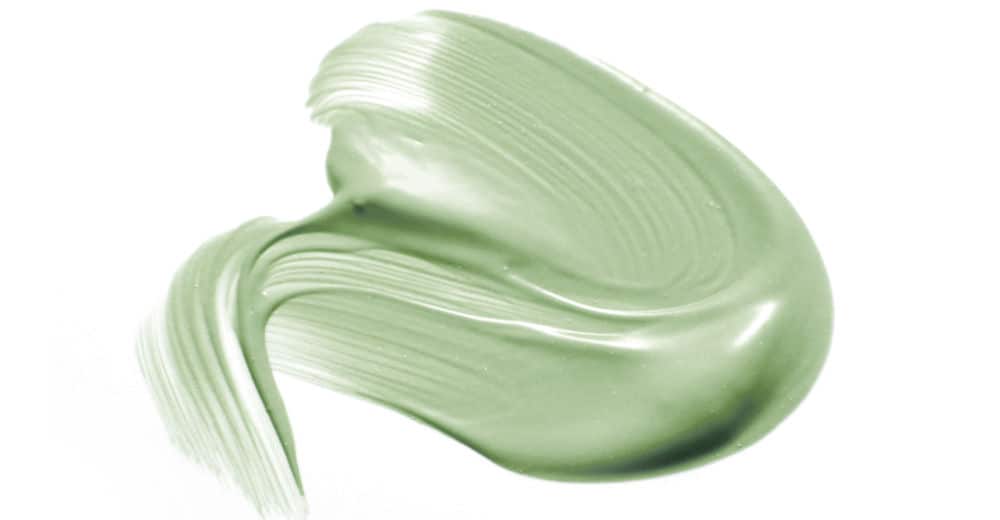
What is rosacea? Rosacea is a long term skin condition associated with facial redness and flushing. Although more than 5% of the population are affected, it is frequently misdiagnosed and under-treated as a result. It often appears in the thirties and is more prevalent in those with fair skin. There are a number of factors believed to contribute to the development of rosacea. These include genetics, blood vessel abnormalities, hormonal influences, microorganisms and diet. How might it affect me? Rosacea is so much more than just a red face. It often begins with a tendency to flush or blush more easily. With time, sufferers may develop permanent redness of the nose and cheeks along with a multitude of other unpleasant symptoms, such as pimples, skin dryness and scaling, burning and stinging, and sensitivity to multiple skin care products. Broadly speaking there are four different types of rosacea, but it is not uncommon for these to overlap in the same person. Erythemato-telangiectatic: Redness, flushing and dilated blood vessels. Papulopustular: Acne-like breakouts. Phymatous: Skin swelling and thickening e.g. of the nose (rhinophyma). Ocular: Gritty eyes and swollen lids. As rosacea is such a visible condition, people often describe feeling anxious or embarrassed about their appearance. This may lead to withdrawal from social situations, relationship issues and loss of self-esteem in the workplace. Some may even be too embarrassed to ask for help, or may have been turned away when seeking advice through the usual routes as the psychological impact is often underestimated. What are the treatments? At present there is no cure for rosacea, however there are a number of effective options that can help bring symptoms under control. The choice of treatment depends on the type of rosacea and, of course, patient preference. If flushing is your most troublesome symptom, oral medications otherwise used for anxiety or menopausal flushing e.g. beta-blockers or clonidine, may be recommended. Avoiding triggers is also crucial for this type of rosacea and self-help advice about this is given below. Redness and pimples may be reduced by creams or gels containing antibiotics or azelaic acid. Ivermectin cream is a newer addition to the range of topical agents for rosacea, as is brimonidine gel which improves redness by causing constriction of dilated blood vessels. If these measures do not provide sufficient relief, visible vessels can be targeted very effectively with vascular lasers. For more severe cases of rosacea, a course of oral antibiotics may be recommended to reduce breakouts, swelling and inflammation. Courses may be repeated from time to time for recurrent flares and control can be maintained with topical prescriptions in between times. A dermatologist-only medication, known as isotretinoin, may sometimes be prescribed for stubborn cases although this is an off-license use. When thickening of the skin occurs, Dermatologists or Plastic Surgeons may recommend a surgical procedure to remove excess tissue and create a more natural-looking shape. Is there anything I can do? Absolutely. The following self-help tips may help to reduce rosacea symptoms. 1. Identify and avoid triggers, such as: – exposure to sunlight – strong winds – stress – strenuous exercise – caffeine – alcohol – spicy food 2. Beware of false or inflated promises about skin care products and get testers or samples to try at home before committing to bulk purchases. 3. Keep it simple. Use a gentle cream or gel cleanser for washing your face. Massage it gently into your skin morning and night and rinse off with lukewarm water or wipe off with soft cotton pads if warm water makes you flush. 4. Find a broad spectrum SPF 50 sun-protection moisturiser and apply it every morning, 365 days a year. UV is one of the most common reasons for rosacea to flare, even in cloudy weather. 5. Apply a soothing anti-redness moisturiser before bed. 6. There are some excellent foundations and concealers that neutralise the redness of rosacea and can really boost skin confidence. Creams with a green pigment are particularly helpful. Charities such as Changing Faces in the United Kingdom can also provide advice on skin camouflage and put you in touch with others who are similarly affected. If you are struggling with symptoms like these and would like non-judgmental advice and reliable, effective treatment, come see me in the clinic to talk through the options. Call us on 02037333225 to book your appointment. © 2018 Dr Justine Kluk. Any redistribution or reproduction of part or all of the contents of this post in any form is prohibited. You may not, except with our express written permission, copy, distribute or commercially exploit the content. Nor may you transmit it or store it in any other website or other form of electronic retrieval system.
With sunny weather on the horizon for the upcoming bank holiday, off-the-shoulder tops and strappy dresses mean that it’s time to think about how to finally get rid of back acne or “bacne”. Some of my top pointers are listed below, but you can read my advice in Glamour by clicking here for the full article. 1. Shower every day. 2. Look for a shower gel or body wash containing the ingredients salicylic acid, glycolic acid or lactic acid and use an exfoliating scrub in the shower two or three days a week to prevent dead skin cells from building up and blocking your pores. 3. Apply a moisturiser to soothe and repair your skin barrier, but make sure that any products you leave on your skin are labelled ‘non-comedogenic’, meaning they won’t clog your pores. 4. Shower as soon as possible after exercise. Bacteria loves sweaty skin so it is important to remove your gym clothes as soon as possible, especially bra tops. 5. Wash bras after every wear. 6. Carry a spare T-shirt with you if you tend to sweat more in warmer weather. 7. Whatever you do, don’t pick, squeeze or scratch your spots. This increases inflammation and can lead to scarring. If you’ve tried all of these things and are still struggling to get on top of your breakouts or are aware of developing scars, come see me to discuss the prescription treatments that are available. © 2018 Dr Justine Kluk. Any redistribution or reproduction of part or all of the contents of this post in any form is prohibited. You may not, except with our express written permission, copy, distribute or commercially exploit the content. Nor may you transmit it or store it in any other website or other form of electronic retrieval system.
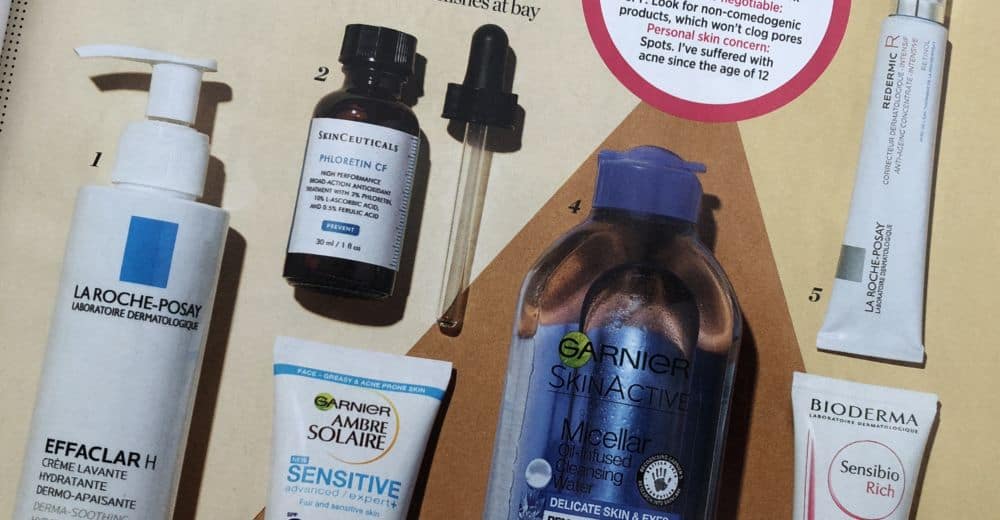
This month, I’m featured on the Skin Clinic page of Women’s Health sharing a bit about me, my typical day and some of the products I use personally to help keep my own blemishes at bay as London’s go-to acne and acne scarring expert. Read all the juicy details in the full interview below. Enjoy! 1. Name – Dr Justine Kluk 2. Age – 35 (I’ve actually turned 36 since these questions were answered!) 3. Profession – Consultant Dermatologist 4. Typical day I get up early as I like to fit in some exercise before heading to my clinic. I spin three mornings a week at a local studio called Spinnoff near my home in Hampstead. The class is pretty gruelling, but the music is invigorating and I always feel ready to face whatever the day has to throw at me afterwards. Once I’ve showered and changed, I grab a coffee and make my way to my private dermatology clinic in London’s Harley Street. There is no average day in the clinic! Every patient has their own unique story and my job is to ensure that I tailor the treatment and the skincare advice I give to their individual concerns in order to get the best results. Having said this, many patients who come to see me are looking for help with acne and acne scarring. These are my particular areas of expertise, and having suffered personally with persistent breakouts throughout most of my teens and twenties, they know they will find a sympathetic ear and someone who is really motivated to make things better for them from first-hand experience. After clinic, I might meet a friend or colleague for a drink nearby or spend a little time browsing the stores around Oxford Street. I always find myself drawn to the beautiful row of boutiques in St Christopher’s Place, just behind Selfridges, for a bit of window shopping. This is one of the real perks of working in central London as there is so much to do and see and I try my best to take full advantage of it all! 5. Skincare philosophy Keep it simple. Choose products with ingredients you recognise and know to be effective. Give new products time to work – don’t keep chopping and changing. Make sure that the products you pick are suited to your skin type. One size does not fit all. 6. Skincare non-negotiable SPF. It’s a no-brainer! As well as protecting you from skin cancer, wearing a sun protection moisturiser every morning, come rain or come shine, reduces your risk of dark spots, saggy skin, fine lines and wrinkles. There are lots and lots of really nice, cosmetically acceptable sunscreens available these days that don’t leave thick, sticky, white marks everywhere. If you look for the words “non comedogenic” on the package label, they shouldn’t clog your pores either. 7. Personal skincare concern Spots. I suffered with acne from the age of 12 or 13. Like many parents, mine thought I’d grow out of it by the time I reached my twenties. I didn’t and it made me feel totally miserable. It may sound dramatic, but when I did eventually get effective treatment, it was an absolute game-changer and this is the main reason I went to medical school and specialised in Dermatology. I wanted to make sure that no-one else had to feel the way I did when there is treatment that actually works. These days I get to help others with a similar story to me every day and it is so rewarding, both personally and professionally. 8. 3 products you use in the morning and why? In the morning, I splash some lukewarm water on my face then massage a gentle cleanser like La Roche Posay Effaclar H cleansing cream over my skin before rinsing and patting dry. This removes any grease or dirt and prepares my skin for the rest of my routine. Next up is my antioxidant serum. I love Skinceuticals Phloretin CF serum which contains 10% vitamin C. Antioxidants protect your skin from environmental damage like UV rays and city pollution by neutralising free radicals so are great as part of any anti-ageing skincare routine or if your goal is a brighter complexion. Finally, I apply a sun protection moisturiser. Because of my history of breakouts, I will only use a non-comedogenic product and I can highly recommend Garnier Ambre Solaire Sensitive Advanced anti-imperfection sun cream which also contains salicylic acid to help control blemishes. 9. 3 products you use in the evening and why? At night, I use micellar water to remove my makeup before cleansing. I also keep a bottle next to my bed along with some cotton pads in case I am ever tempted to skip my evening routine because I’ve had a late night. Garnier’s new oil-infused cornflower micellar water is a godsend for removing eye-makeup. I follow this with a retinol cream, such as Redermic R by La Roche Posay 3 nights per week. This helps with evening skin tone, preventing fine lines and tightening pores. If my spots have been problematic, I may use a prescription cream at this point instead. Finally, my skin has a tendency to get irritated if I overdo the retinol, particularly in autumn and winter when the air is much drier. I finish my evening routine by applying a soothing moisturiser such as Bioderma Sensibio Rich. By reinforcing the skin barrier, it helps reduce those tight, uncomfortable sensations and also calms redness. If you’re struggling with spots and would like me to help you get them under control, call my team to book an appointment on 02037333225. © 2018 Dr Justine Kluk. Any redistribution or reproduction of part or all of the contents of this post in any form is prohibited. You may not, except with our express written permission, copy, distribute or commercially exploit the content. Nor may you transmit it or store it in any other website or other form of
Is SPF makeup really worth it? My opinion is that it boosts your base SPF rather than replacing it so should be considered a second line of defence. Read my comments for Get The Gloss this week by clicking here. © 2018 Dr Justine Kluk. Any redistribution or reproduction of part or all of the contents of this post in any form is prohibited. You may not, except with our express written permission, copy, distribute or commercially exploit the content. Nor may you transmit it or store it in any other website or other form of electronic retrieval system.
Retinol and retinoids are both vitamin A derivatives. Retinol is an essential part of any anti-ageing skincare routine and retinoids are possibly the most critical topical therapy for acne because they reduce blockage of pores and also have direct anti-inflammatory effects. Although they are both very useful tools in the management of acne and skin ageing, the use of topical retinoids and retinol may be limited by side effects such as dryness, peeling, redness and irritation. They have also been associated with photosensitivity i.e. causing the skin to be more sensitive to the sun. These side effects can all be much easier to tolerate if the steps below are followed. 1. Use a gentle skin cleanser morning and evening. Apply to a wet face and rinse off with lukewarm water. Do not scrub vigorously. 2. Apply your retinoid or retinol cream at night before you go to bed. Do not apply it in the morning as it can make your skin more sensitive to the sun. Take precautions to avoid sunburn by applying a non-comedogenic, broad spectrum SPF 50 sun protection moisturiser in the morning before you put on your make-up. 3. Introduce the product gradually. Start off by applying it twice per week at night. It is normal to have a bit of redness or peeling after a few days. After a couple of weeks, increase application to alternate nights if tolerated. This can subsequently be increased to every night after a further two to four weeks if you are tolerating the treatment with minimal irritation. 4. If skin irritation is severe, stop the cream for a few days until it has settled before attempting to reintroduce it even more gradually. 5. Most people will eventually be able to apply their cream every night without any ongoing discomfort, however some will only ever manage alternate nights or twice per week at the most. Do what you can – some treatment once or twice a week is usually better than none at all! 6. Apply the cream (or gel) in a very thin layer to cover all of the areas that you want to reduce fine lines or tend to get the acne, not just onto individual spots. The quantity really doesn’t have to be particularly large as this will just increase irritation. 7. Avoid the area directly around your eyes as the skin is more sensitive. 8. If your skin is dry or irritated, you can apply a moisturiser at night by layering it on top of your retinoid or retinol cream. Ideally you should wait 15 minutes or so between these steps to prevent it being diluted by your moisturiser. Look for a moisturiser that is labelled non-comedogenic to prevent any pore-clogging. © 2018 Dr Justine Kluk. Any redistribution or reproduction of part or all of the contents of this post in any form is prohibited. You may not, except with our express written permission, copy, distribute or commercially exploit the content. Nor may you transmit it or store it in any other website or other form of electronic retrieval system.
When it comes to finding a wonder treatment for a smoother, softer and more radiant complexion, there’s no shortage in “out there” options. But how far would you go in a bid to improve your skin? And could you actually make things worse for yourself with blackheads and breakouts? Women’s Health investigates slugging, the latest trend to join the crowds and, far from using slugs, all it requires is a household staple – Vaseline. To read my comments in Emma Pritchard’s article, click here © 2018 Dr Justine Kluk. Any redistribution or reproduction of part or all of the contents of this post in any form is prohibited. You may not, except with our express written permission, copy, distribute or commercially exploit the content. Nor may you transmit it or store it in any other website or other form of electronic retrieval system.
Blackheads are a mix of oil and dead skin cells sitting in the pores. Exposure to air causes them to oxidise and turn black giving them their characteristic appearance. They start to appear in puberty around the same time that sebum production increases and one of the most common complaints I hear from teenage patients is that they are self conscious about visible pores or blackheads, especially on the nose. Establishing a skincare routine and teaching teens how to look after their skin is important, both for skin health and for self-esteem. I usually suggest the following tips for those who want to try something over the counter before seeing a doctor: 1. Wash your face morning and evening with a mild cleanser, such as Cetaphil Gentle Skin Cleanser. For those with very oily skin, foaming cleansers like Bioderma Sebium Purifying Cleansing Gel or salicylic acid-containing cleansers like Garnier Pure Active Intensive Anti-Blackhead Charcoal Gel Wash and Neutrogena Visibly Clear Spot Clearing Facial Wash can be used in the morning instead. 2. Blackheads and acne are not because you are dirty so scrubbing too hard, or using harsh exfoliators, is not particularly helpful and may actually increase inflammation. 3. Apply a sun protection moisturiser after cleansing in the morning. Acne blemishes can leave dark marks on the skin if not properly protected from the UV rays in sunlight. Choose a broad spectrum product with SPF30 or higher e.g. La Roche-Posay Anthelios or Garnier Ambre Solaire. Always check the label for the words “non-comedogenic” which means the product won’t block the pores. 4. There are some really good products for concealing acne blemishes and improving self-consciousness e.g. Vichy Dermablend Corrector Stick. Mineral make-up containing zinc oxide or titanium dioxide is great for absorbing excess oil and camouflaging redness. I like the range from Bare Minerals. 5. In the evenings, a targeted bacteria-zapping gel like benzoyl peroxide e.g. Acnecide or a pore unblocking agent containing salicylic acid e.g. La Roche-Posay Effaclar Duo can be applied to affected areas after cleansing. 6. Follow with a light moisturiser, such as La Roche-Posay Toleriane Fluide or Effaclar H. Moisturiser makes it easier to tolerate the treatment creams in the previous step which may otherwise cause dryness and peeling. Again, make sure that moisturisers or any other leave-on products are labelled non-comedogenic. 7. Wash your hair regularly and tie it back away from your face. Greasy hair, or application of hair serums and gels, can cause breakouts on the forehead. Wearing a headband or hat should also be avoided if you are prone to spots around your hairline or on your forehead. 8. Remove sweaty clothes as soon as possible after sport or exercise and cleanse your skin thoroughly. If sweat remains on the skin for prolonged periods, acne-causing bacteria will thrive. 9. For boys who are starting to shave, be careful to avoid nicking any existing spots. Clean the blade regularly, make sure it is sharp and shave in the direction of the hair growth. 10. Try to break the habit of touching your face and, whatever you do, do not squeeze or pick your blackheads. This can introduce infection and may also lead to permanent scarring. Instead, try a pore cleansing face mask once or twice per week, such as Garnier Pure Active Intensive 3 in 1 charcoal mask or The Body Shop tea tree skin clearing clay mask. If this doesn’t help, you could have your blackheads professionally extracted by an experienced beauty therapist under strict hygienic conditions every month or two. 11. It might sound obvious, but change your sheets weekly. This is especially important for your pillowcase where grease can build up over time and rub off on your skin as you sleep. 85% of teenagers will experience some form of acne at one time or another and I try to reassure my patients that they are not alone. Nonetheless, it should not be considered a rite of passage that everyone has to go through regardless of the severity. If your teen has lots of red and inflamed bumps, dark marks or signs of scarring, or if their skin is starting to impact their self-esteem, I’d love to be able to help. To book an appointment, call my team on 0203 733 3225. © 2018 Dr Justine Kluk. Any redistribution or reproduction of part or all of the contents of this post in any form is prohibited. You may not, except with our express written permission, copy, distribute or commercially exploit the content. Nor may you transmit it or store it in any other website or other form of electronic retrieval system.
Adult acne is on the rise. As London’s go-to Consultant Dermatologist for acne and acne scarring, it was a pleasure to be interviewed for Lucy Partington’s awesome feature in this week’s Stylist about the latest breakout breakthroughs. Click here to read about the therapies, foods and products at the heart of research into combatting acne. © 2018 Dr Justine Kluk. Any redistribution or reproduction of part or all of the contents of this post in any form is prohibited. You may not, except with our express written permission, copy, distribute or commercially exploit the content. Nor may you transmit it or store it in any other website or other form of electronic retrieval system.
Keratosis Pilaris (KP) is a common inherited disorder of the skin affecting around 1 in 20 of us. It occurs due to an accumulation of keratin at the opening of the hair follicle, leading to stubborn, scaly plugs on the skin’s surface. These are often surrounded by a rim of redness giving a stippled or speckled appearance and may resemble goose bumps or “chicken skin”. KP usually becomes apparent during childhood and is most likely to affect the upper arms, front of the thighs and sides of the cheeks. The size of the bumps is said to increase and decrease over a period of months and can fluctuate in different hormonal states, such as pregnancy. Even without therapy, the condition tends to become less prominent with age, although this is not always the case. In light of the genetic predisposition there is unfortunately no cure for KP, however there are a few things sufferers can do to improve how it looks and feels. 1. Avoid harsh soaps and cleansers which may dry the skin out contributing to a feeling of roughness. 2. Body washes containing glycolic or salicylic acid can help smooth the skin and the addition of gentle massage with a polyester sponge or body polish a couple of times a week in the bath or shower has been shown in dermatological studies to improve results. Vigorous scouring, however, is likely to cause irritation and should be discouraged. 3. After bathing, a moisturising cream or lotion should be applied to damp skin in a downward direction, that is in the same direction as the hair growth. 4. Glycolic acid, ammonium lactate, salicylic acid and urea containing “humectants” are preferable to simple moisturisers for their added keratolytic effects, meaning they can help excess dissolve keratin. 5. If symptoms persist despite this, a Dermatologist may prescribe a retinoid cream to help smooth the skin or a short burst of steroid cream if the bumps are particularly red, itchy and inflamed. 6. Persistent skin discolouration, redness or pigmentation caused by KP have been treated with skin lightening agents and lasers with varying degrees of success. For moisturisers, I love Ameliorate Transforming Body Lotion with lactic acid, Eucerin Intensive 10% Urea Treatment Lotion with urea or Neostrata Ultra Smoothing Lotion or Lotion Plus with gycolic acid. For the shower, I like Jan Marini Bioglycolic Resurfacing Body scrub and/ or Ameliorate Exfoliating Body Mitt to be used once or twice per week. © 2018 Dr Justine Kluk. Any redistribution or reproduction of part or all of the contents of this post in any form is prohibited. You may not, except with our express written permission, copy, distribute or commercially exploit the content. Nor may you transmit it or store it in any other website or other form of electronic retrieval system.
I was recently asked the following questions by beauty journalist Jacqueline Kilikita for an article she was writing for Refinery29. You can read my answers here in full. What happens to our skin in the air? The aircraft cabin is unlike most other indoor environments with exposure to low pressure, reduced available oxygen, noise, vibration and disruption to our sleep cycles. Conditions are controlled to protect passengers and crew from most of this harsh environment and their effects are negligible on short-haul flights. Low humidity levels in the cabin over long distances, however, can lead to a decrease in hydration of the outer layer of our skin which probably accounts for the dryness and discomfort experienced by many travellers. This may manifest with a sensation of tightness and some people experience peeling of the skin, dry eyes and chapped lips. Can wearing makeup on a plane cause longterm damage to my skin? Frequent air travel may mean regular disruption to your normal skincare routine, disturbed sleep and increased exposure to ultraviolet radiation which could in theory impact your skin health if repeated over many years. I wouldn’t, however, expect that wearing makeup on a plane should increase the risk of long-term skin damage such as wrinkles providing attention is paid to good skincare practices e.g. following a routine, covering up in the sun and avoiding cigarette smoke the rest of the time. Why do so many of us get breakouts after flying? Much like Dermatologists advise taking off your makeup before you go to bed, the obvious reason for getting spots after flying is failure to remove makeup thoroughly and to cleanse your skin on board so that grease, dirt and dead skin cells can build up and block your pores. I expect this is also more of an issue for long-haul travel than for shorter flights. It may not be as simple as this though. Passengers are not only exposed to the physical stress of flight, but also to social and emotional stress before departure e.g. hurried last-minute packing, rising earlier than usual to get to the airport. The combination of these factors along with the disruption to your normal skincare routine may lower your threshold for breaking out. If we can’t bear to go without makeup, which types should we be choosing for flying? If you can’t bear to board the flight without makeup, I would use a non-comedogenic tinted moisturiser and concealer as a base and then mineral makeup for anything else. Tinted moisturisers and BB creams should make dry cabin conditions more comfortable and if there is a chance that you won’t be removing your makeup, non-comedogenic formulations and mineral makeup are less likely to clog your pores. My top picks for these are Bare Minerals Bareskin complete coverage concealer and Original SPF15 Foundation or Perricone MD No Foundation foundation. I would, however, suggest taking some cotton pads and decanting your favourite micellar water into a small travel-size bottle for removing makeup before you sleep. Follow with a hyaluronic-acid based moisturiser for extra comfort and hydration and don’t forget plenty of lip balm to prevent chapped lips. I love Garnier micellar cleansing water for sensitive skin or Bioderma Sensibio micellar H20 for makeup removal, Filorga Nutri-filler Lips or La Roche Posay Cicaplast Lips as lip balm and Skinceuticals HA Intensifier for a moisture surge. © 2018 Dr Justine Kluk. Any redistribution or reproduction of part or all of the contents of this post in any form is prohibited. You may not, except with our express written permission, copy, distribute or commercially exploit the content. Nor may you transmit it or store it in any other website or other form of electronic retrieval system.
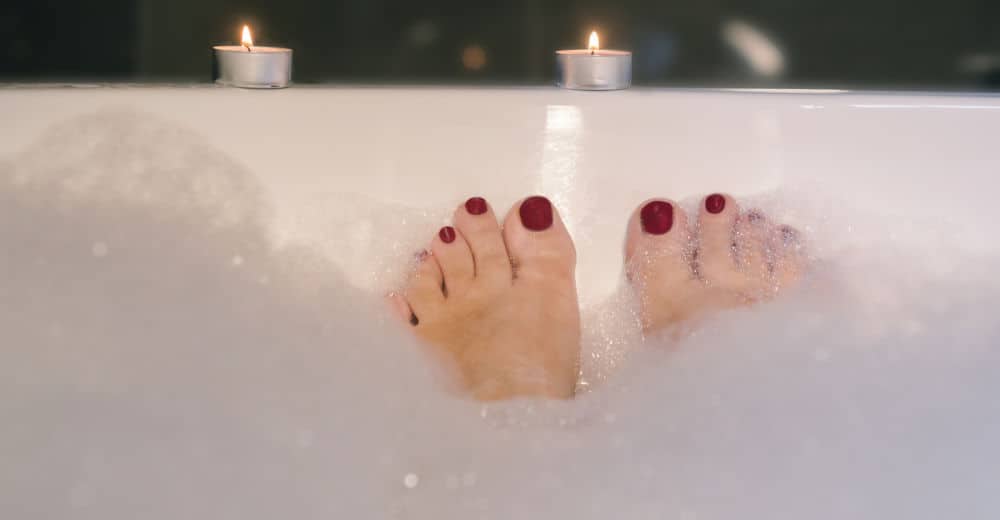
A common concern for my patients is dehydrated skin due to changing weather and loss of humidity. Here are 5 tips to ensure you bathe the right way and prevent your skin from drying out. 1. Shut the door: Keeping the bathroom door closed increases humidity in the air, which will help prevent skin drying out. 2. Get out after 5 minutes: Soaking for more than five or 10 minutes on a regular basis can irritate and dry out skin, especially if you have eczema. 3. Warm water is best: Hot water can exacerbate itching, so if you have dry or irritable skin, a lukewarm temperature is ideal. 4. Use a gentle body wash: Products that bubble or foam can strip moisture from your skin and may increase dryness. Emollient soap substitutes are particularly good if your skin is itchy, flaky or irritable. 5. Moisturise: Apply plenty moisturiser to your skin straight after your bath or shower to increase absorption. For your face, use a product with hyaluronic acid as the key ingredient as it has the capacity to attract and hold up to a thousand times its weight in water molecules giving the skin a smooth, plumped appearance. © 2018 Dr Justine Kluk. Any redistribution or reproduction of part or all of the contents of this post in any form is prohibited. You may not, except with our express written permission, copy, distribute or commercially exploit the content. Nor may you transmit it or store it in any other website or other form of electronic retrieval system.
Beauty journalist, Malena Habers, wrote in last weekend’s Sunday Times Style about instant gratification skincare and why we’re so obsessed with rapid results. It was my pleasure to provide a few of my thoughts for the article and I’ll share these here with you too. There is definitely an increasing demand for instant results. With our culture of taking selfies and documenting our every move on social media, the pressure to look photo-ready at all times is enormous. With pretty much everything these days occurring at the touch of a button, whether it’s a taxi or a takeaway, we are definitely less patient on the whole and having great skin is no different. Having said that, most patients who come to see me in the clinic for acne, scarring or cosmetic treatments understand that improving their skin is a process and that it may take a few weeks to start seeing results. Despite having to be patient in the beginning, the upside is that any prescriptions, procedures and skincare advice used in my clinic are evidence based and have a track record of being effective. This means better and more predictable outcomes and a greater chance of maintaining results in the longer term (and is not to say that certain products can’t make you a little glossier, smoother and plumper in the meantime). Some people bring in images of celebrities, influencers and friends and tell me they’d like to look the same, but will agree that their skin or overall appearance is very different to start with. My advice is always to aim for the best version of yourself, not someone else. Understanding this is key to managing expectations. Those who are unrealistic about timeframes and ultimately what is safe, achievable or desirable may keep chopping and changing products (or doctors!) every time a new “miracle cure” becomes available and are most likely to be disappointed in the longer run. Just my opinion. What do you think? © 2018 Dr Justine Kluk. Any redistribution or reproduction of part or all of the contents of this post in any form is prohibited. You may not, except with our express written permission, copy, distribute or commercially exploit the content. Nor may you transmit it or store it in any other website or other form of electronic retrieval system.
Is wearing makeup on an aeroplane actually that bad for your skin? Journalist Jacqueline Kilikita and the team at Refinery29 asked me this very question recently. To see what I had to say on the matter, click on the link below. To be absolutely clear, I am not recommending that you do wear makeup when you fly. My advice is to always stick to your normal skincare routine whenever and wherever practical. So, it’s not a disaster if you wear makeup on a short-haul flight and I wouldn’t have thought that this should be particularly detrimental to your skin health in the bigger picture. You won’t, however, find any Dermatologist who says it’s okay to sleep with your makeup on and, to my mind, the same applies for removing your makeup before you go to sleep on a long-haul flight. If you can’t face the idea of boarding barefaced, opt for non-comedogenic products if your skin is prone to breakouts. Lightweight, hydrating tinted moisturisers or BB creams are your best bet if your skin gets dry when you fly. Happy reading! http://www.refinery29.uk/2018/01/187478/wearing-makeup-plane-skin © 2018 Dr Justine Kluk. Any redistribution or reproduction of part or all of the contents of this post in any form is prohibited. You may not, except with our express written permission, copy, distribute or commercially exploit the content. Nor may you transmit it or store it in any other website or other form of electronic retrieval system.
When I am planning acne treatment for new patients to the clinic, we have a discussion about the most effective management options based on the severity of their symptoms, what kinds of spots they are getting (e.g. blackheads, pustules, nodules, cysts) and what treatments they’ve already tried. Sometimes oral treatment is most appropriate, sometimes creams or gels (known as topical therapy) are most appropriate and often both are needed together in combination. Topical therapy of acne includes the use of agents that are available over the counter e.g. benzoyl peroxide and salicylic acid or via specialist prescription e.g. antibiotics, azelaic acid and retinoids. So what are topical retinoids? In short, they are vitamin A derivatives. Examples include adapalene (Differin), isotretinoin (Isotrex) and tretinoin. They are possibly the most critical topical therapy for acne because they reduce blockage of the pores (the opening of the hair follicle onto the surface of the skin) and are also anti-inflammatory. As well as enhancing most acne treatment programmes, they can also help with maintaining control after discontinuation of oral therapy. Retinoids are ideal for blackheads and, when used in combination with other agents, for most types of acne. Although they are a very useful tool in the management of acne, the use of topical retinoids may be limited by side effects such as dryness, peeling, redness and irritation. They have also been associated with photosensitivity i.e. causing the skin to be more sensitive to the sun. These side effects can all be much easier to tolerate if the steps below are followed: 1. Use a gentle skin cleanser morning and evening. Apply to a wet face and rinse off with lukewarm water. Do not scrub vigorously. 2. Apply your retinoid cream at night before you go to bed. Do not apply it in the morning as it can make your skin more sensitive to the sun. Take precautions to avoid sunburn by applying a non-comedogenic, broad spectrum SPF50 sun protection moisturiser in the morning before applying your makeup or leaving the house. 3. Introduce it gradually. Start off by applying it twice per week at night. It is normal to have a bit of redness or peeling after a few days. After a couple of weeks, increase application to alternate nights if tolerated. This can subsequently be increased to every night after a further two to four weeks if you are tolerating treatment with minimal or no irritation. 4. If the skin irritation is severe, stop the prescription for a few days until it has settled before attempting to reintroduce it even more gradually. 5. Most people will eventually be able to apply their prescription cream every night without any ongoing discomfort, however some will only ever manage alternate nights or twice per week at the most. Do what you can – some treatment once or twice a week is usually better than none at all. 6. Apply the cream (or gel) in a very thin layer to cover all of the areas that you tend to get the acne, not just onto individual spots. The quantity really doesn’t have to be particularly large as this will just increase irritation. 7. Avoid the area directly around your eyes as the skin is more sensitive. 8. If your skin is dry or irritated, you can apply a moisturiser at night by layering it on top of your retinoid cream. Ideally you should wait 15 minutes or so between these steps to prevent the the retinoid being diluted by your moisturiser. Look for a moisturiser that is labelled non-comedogenic. © 2018 Dr Justine Kluk. Any redistribution or reproduction of part or all of the contents of this post in any form is prohibited. You may not, except with our express written permission, copy, distribute or commercially exploit the content. Nor may you transmit it or store it in any other website or other form of electronic retrieval system.
Your out-of-office notice has been turned off and summer seems to be drawing to an end. Whilst lazy sun-soaked days do wonders for the soul, they can be tough on your skin. If you’re guilty of having let your skincare regime take a backseat to ‘fun in the sun’, now is the time to decide what improvements you want to make to your skin over the winter and to give it the much-needed attention it’s been craving. Tip 1: Dark Spots It only takes a few days of lapsed sun protection to make freckles, facial pigmentation and age spots more noticeable. Antioxidants help neutralise ultraviolet (UV) damage caused by excess sun exposure. The most effective ones contain vitamin C, but all products are not created equal. SkinCeuticals Phloretin CF (oily or combination skin) and CE Ferulic (dry skin) are my all-time favourite antioxidant serums. Apply 4-5 drops to the face, neck and décolletage with your fingertips in the morning after cleansing and follow with an SPF 50 sun protection moisturiser. I love SunSense Daily Face SPF 50+. It has a universal tint to even out skin tone and acts as a primer for make-up. Apply a retinol cream before bed. As well as targeting dark spots, these products can also be used to freshen a dull complexion and soften fine lines. For over the counter options, my top picks are La Roche Posay Redermic R and SkinCeuticals Retinol 0.3. Fantastic in their own right, these products can also be used for a month or two before switching over to a prescription retinoid or hydroquinone-based skin lightening cream to improve tolerance in first-time users. Tip 2: Breakouts Whilst acne improves with sunshine in some cases, hot and humid weather is just as likely to cause breakouts in others. If you’re desperate to banish blemishes before winter, Image Clear Cell Clarifying Pads contain a combination of salicylic and glycolic acid to unblock pores and remove impurities and excess oil. Wipe these over the skin after exercise or on-the-go. Acne is an increasing issue in adult women. Research published by the American Academy of Dermatologists in February 2016 reveals that up to 12% of women continue to suffer with acne in their thirties, forties and even fifties. A dermatologist can talk you through the multitude of effective treatments for acne, so there is really no need to put up with breakouts, loss of self-esteem and the risk of permanent scarring. Tip 3: Rough Skin Sea water and swimming pools dry the skin out and can lead to flaking, itching and rough, raised bumps. Choose a nourishing body wash, such as Aveeno, and gently exfoliate any rough or scaly areas once or twice a week with a Buf Puf. Follow with Ameliorate Skin Smoothing Body Lotion or Neostrata Ultra Smoothing Lotion. These intensive treatment creams contain alpha hydroxy acids (AHAs) which slough away dead skin cells and boost cell renewal leaving you with silky skin. Tip 4: Cracked Heels After months of summer sandals, dry, cracked skin builds up on our soles and heels. Soften hard skin by applying a urea-based foot cream, such as Flexitol Heel Balm, before bedtime. Massage it firmly into the skin for a couple of minutes and cover with cotton socks to increase absorption. After a few days, the skin should start to soften and you can use a pumice stone to tackle more stubborn areas. Tip 5: Chapped Lips With the threat of cooler temperatures just around the corner, now is the time to sort out parched lips before they become even more vulnerable to cracking and splitting. Pop some Lansinoh HPA Lanolin Nipple Cream or Bioderma Atoderm lip balm in your handbag and apply frequently and liberally throughout the day to sore lips. Tip 6: Diet & Fitness It is worth giving some thought to your diet and fitness regime if you’ve let things slide over the summer. Get plenty of sleep and keep yourself hydrated. Healthy bodies mean glowing skin, greater confidence and an overall sense of contentment and wellbeing. When we look well, we feel well! © 2018 Dr Justine Kluk. Any redistribution or reproduction of part or all of the contents of this post in any form is prohibited. You may not, except with our express written permission, copy, distribute or commercially exploit the content. Nor may you transmit it or store it in any other website or other form of electronic retrieval system.
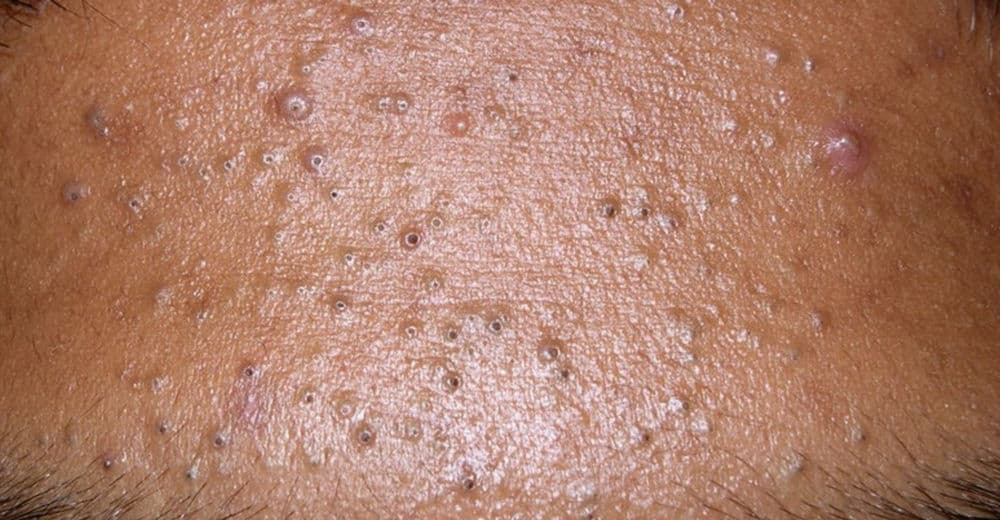
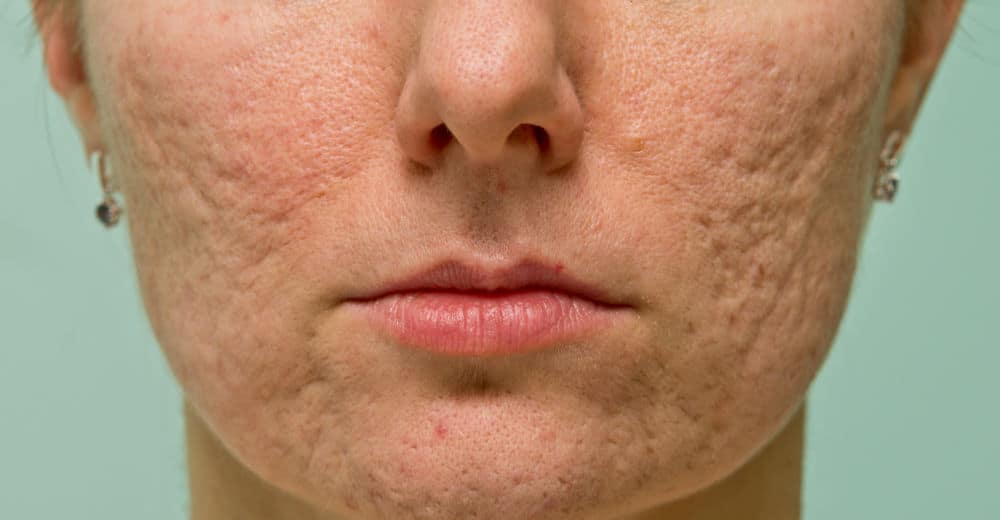
Acne is the medical term used to describe breakouts. For many of us, our first experience of the condition is during puberty when our bodies start to produce higher levels of the hormone testosterone. The sebaceous glands in our skin are very sensitive to even small changes in the level of testosterone and begin to step up production of sebum, the natural oil produced by our skin, as a result. This sebum mixes with dead skin cells and gets trapped in our pores creating an ideal environment for bacteria to thrive. These factors combine to cause inflammation in the skin leading to the development of acne. In its mildest form, acne is responsible for causing occasional spots or pimples. Whilst most of us can manage this at home by using appropriate store-bought products, some people develop a more severe form of the condition that doesn’t go away despite following a good skincare routine. Examples of this include breakouts occurring at multiple sites on the face and body or the appearance of deep, tender nodules and cysts that can lead to permanent scarring if not properly controlled (as shown in the photo above). In these situations, it is important to seek advice from a Dermatologist as prescription treatment is likely to be necessary. Expert help should also be sought if acne is causing loss of self-esteem, anxiety or feelings of embarrassment and social isolation. Whether you are designing a skincare routine at home or following a treatment plan from a Dermatologist, it is essential that the products you use are specifically intended for blemish- prone skin. Key ingredients to look out for include salicylic acid which stops the build up of dead skin cells and zinc, tea tree or witch hazel which are great for soothing inflammation so check for these on product labels. Using the wrong products, or indeed using too many products, can actually make the problem worse. Start by cleansing your face both morning and night. Acne can cause the skin to be red, bumpy and inflamed so a cleanser designed for sensitive skin is a good solution for this. Massage it gently into the skin before rinsing well with lukewarm water and use a soft cloth or flannel to pat dry. I’m not generally a big fan of toners, but for those with greasy skin a toner can be applied next. It is important to recognise that many acne treatments work by reducing oil production and will dry the skin themselves. A gentle tonifying lotion may be tolerated better than ordinary toner in these circumstances as there is less risk of drying the skin out too much. An alternative to this if skin remains greasy is to use pre-prepared pads soaked in glycolic and salicylic acid. The final step in the routine is to use a lightweight moisturiser twice a day to nourish and maintain a healthy skin barrier (unless your skin is exceptionally oily). Looking for the words “non-comedogenic” (meaning non pore-blocking) on the packaging can help guide you to the most appropriate choices. The same goes for sun protection products and makeup which also need to be chosen carefully. I would use a sun protection moisturiser in the morning and a plain moisturiser at night. Finally, grainy scrubs and vigorous rubbing are best avoided in very inflamed acne and squeezing or picking spots is also strongly discouraged as this increases the risk of infection and scarring. Using a clay or charcoal mask once or twice a week is a much better way to draw impurities out of the skin in combination with appropriate acne treatment. If you are following this advice and find that you are not getting the results you need, or if you believe that you are suffering with one of the more severe forms of acne described, please make an appointment to see your GP or Dermatologist for advice. © 2018 Dr Justine Kluk. Any redistribution or reproduction of part or all of the contents of this post in any form is prohibited. You may not, except with our express written permission, copy, distribute or commercially exploit the content. Nor may you transmit it or store it in any other website or other form of electronic retrieval system.
How do you prepare for another crazy Monday? For me, it’s doing some exercise, good food (and wine) and enjoying downtime with my family and friends. I like the idea of a long soak in the bath on a Sunday evening, but the truth is that my skin gets very dry if I spend too long in the bath or shower so I have to limit these sadly, something I talked to Boots Health and Beauty magazine about recently. Having fingers like prunes is another reason to hop out pretty sharpish and, truth be told, I’m actually not very good at sitting still for longer than 5 minutes. Read the article featuring me here © 2018 Dr Justine Kluk. Any redistribution or reproduction of part or all of the contents of this post in any form is prohibited. You may not, except with our express written permission, copy, distribute or commercially exploit the content. Nor may you transmit it or store it in any other website or other form of electronic retrieval system.
Spring is upon us. With temperatures set to reach 17 degrees centigrade this week, it won’t be long till bare legs are a reality. In the spirit of new beginnings, I thought I’d get the ball rolling and help you prepare your skin for better weather by sharing my favourite Spring skincare tips. So here goes…Dr Justine’s Monday morning Spring skincare tip number 1: If baring your legs also means showing the world an embarrassing display of red razor bumps and ingrown hairs, try the following. Wet your skin with warm water in the bath or shower for 5 minutes before shaving to soften coarse hairs. Apply a dedicated shaving cream or foam rather than reaching for whichever shower gel or hair conditioner happens to be within arm’s reach as this allows the blade to glide over the skin smoothly and reduces nicks and cuts. Ensure the razor is sharp and switch blades every 5-7 shaves. Don’t shave over the same area more than once and avoid areas with bumps until completely settled. Apply a soothing moisturiser to your legs post-shave and smooth in a downward motion, in the same direction as the hair growth. Lotions containing AHAs (e.g. lactic acid) are particularly good if you have razor bumps occupying large areas. Alternatively, if you just have a few localised ingrown hairs, pick up a pot of glycolic or salicylic acid-soaked pads (usually used for reducing oily skin or blackheads on the face/ nose) and wipe over affected areas once a day. Bye bye bumps. Spring skincare tip number 2: Get your feet sandal ready with the following steps. Soften hard skin on your heels and the soles of your feet by applying generous amounts of a urea-based foot cream, such as Flexitol Heel Balm, before bedtime. Massage it firmly into the skin for a couple of minutes and cover with cotton socks to aid absorption. Ideally do this is after your bath or shower when your skin is a little softer. Use a pumice stone to tackle more stubborn areas. When your feet are silky smooth, you can scale things back and apply the urea cream one or two nights per week for maintenance. Choose a punchy red nail polish and you’re good to go. Spring skincare tip number 3: The sun is out (thank goodness), but brighter weather means more squinting. Crow’s feet, the creases that form at the corners of our eyes from repeated squinting, are one of the earliest signs of skin ageing. To combat fine lines and wrinkles around the eyes, look for an eye cream that contains a high concentration of antioxidants and peptides. This winning combination helps ward off the collagen-destroying effects of UV rays at the same time as smoothing and plumping fine lines and wrinkles that have already formed. One of my top picks is @isclinical_official @isclinical_uk Youth Eye Complex which also contains hyaluronic acid to soothe dry crepey lids. If you’re in the US, lots of Dermatologists seem to like the @neocutis Lumiere Bio-restorative eye cream. A broad spectrum SPF30+ sun protection moisturiser and a big pair of sunglasses won’t go amiss either! Spring skincare tip number 4: Get ready to show some skin! Warmer weather means slinky tops, bare shoulders and low backs. Prepare to reveal silky smooth skin by sticking to the following simple routine. Exfoliate your upper arms and back twice weekly in the shower with @ameliorate_skincare Skin Smoothing Body Polish. Cleanse your skin daily with a super gentle and nourishing body wash such as @kiehlsuk Creme de Corps Nurturing Body Washing Cream, or Dermol 200 shower gel if you are prone to bouts of “backne”, and then apply generous amounts of a moisturiser containing urea, lactic acid or glycolic acid. My usual favourites are @ameliorate_skincare Skin Smoothing Body Lotion, @eucerin_uk 10% Intensive Lotion and @neostratauk Ultra Smoothing Lotion. Now you’re ready to impress. Spring skincare tip number 5: Spring clean your makeup brushes….and keep them clean all year round! Did you know that some of your brushes ought to be cleaned as often as every 1 or 2 weeks? If you’d like to know how to look after your kit properly, makeup artist @bobbibrown shared her top tips with @allure a little while ago but the advice is still spot on. Follow the link for her recommendations and start this Spring as you mean to go on http://www.allure.com/story/how-clean-are-your-makeup-brus © 2017 Dr Justine Kluk. Any redistribution or reproduction of part or all of the contents of this post in any form is prohibited. You may not, except with our express written permission, copy, distribute or commercially exploit the content. Nor may you transmit it or store it in any other website or other form of electronic retrieval system.
It’s Friday….but that’s not the only thing to be happy about. How about a brand new, just-launched, extra gentle facial cleanser and makeup remover by the same awesome French skincare brand behind the award winning Sensibio H2O micellar water?! Well, the lovely people at @biodermauk let me loose with their new Sensibio Mild Cleansing Foaming Gel and I can confirm that I absolutely love it. It’s designed with sensitive skin in mind and is free of soap, fragrance, parabens and SLS. Perfect for skin that is dry and irritable from treatment or due to cold and windy weather conditions. The pink packaging is also very cute and feminine and it already looks at home in my bathroom. I picked up this Gentle Toning Lotion from @avene_uki at the airport on the way to Cape Town in January having managed to forget my usual cleanser and micellar water at home. My skin was dry and peeling from the cold weather over Christmas, as it tends to every year around that time, and I spent twenty minutes (or maybe longer) in @bootsuk picking up and putting back every single #beauty product on the shelf before settling on this and it’s accompanying cleanser. Glad I did too! My skin has been better than ever this winter – smooth and hydrated – and I’m just about to buy myself a new bottle. Okay. So the packaging isn’t strictly pink, but the writing definitely is! @garnieruk PureActive Sensitive Anti-Blemish Tonic is another recent find and I’m pretty excited about it! Unlike most skincare products designed for breakouts, this one is also suitable for sensitive skin which is a big plus. Salicylic acid unblocks pores and provides exfoliation, witch hazel soothes and repairs and the gorgeous hydrating gel consistency means that it doesn’t dry my skin out. It smells really fresh, cucumber-y and delicious too. Despite it’s very affordable drugstore price tag, it doesn’t look out of place amongst all the high end products on my bathroom shelf (…shelves) so I think it’s a keeper. © 2017 Dr Justine Kluk. Any redistribution or reproduction of part or all of the contents of this post in any form is prohibited. You may not, except with our express written permission, copy, distribute or commercially exploit the content. Nor may you transmit it or store it in any other website or other form of electronic retrieval system.
Have you spent an untold fortune on skin creams and serums only to find that they failed to deliver the goods? BBC News asked me to share my top tips for navigating the beauty aisles and choosing products with ingredients that really work. These are the sort of ingredients that I like to include in my patients’ skincare routines when they visit me in the clinic. Of course, the specific products containing these have to be personalised for your particular skin type. Check out my tips for yourself here http://www.bbc.com/news/av/health-40822018/helen-mirren-thinks-moisturisers-don-t-work-we-ask-an-expert © 2017 Dr Justine Kluk. Any redistribution or reproduction of part or all of the contents of this post in any form is prohibited. You may not, except with our express written permission, copy, distribute or commercially exploit the content. Nor may you transmit it or store it in any other website or other form of electronic retrieval system.
After a couple of long-haul flights, and with it feeling distinctly more autumnal, my skin is now taking the hit with dryness and peeling . So….I have started to adjust my skincare regime to winter mode. This is one of my saviours… @biodermauk Hydrabio solution micellaire. A few drops of this lovely stuff soaked into a cotton pad and gently wiped across my face and neck removes all traces of make-up and leaves my skin squeaky clean without that miserable feeling of dehydration and tightness. You may be more familiar with it’s more famous sister Sensibio solution micellaire (for sensitive skin types), which I also love. This week I will be sharing my personal favourite post-summer skincare products so keep an eye out!! Day 2 of my winter skincare saviours. I LOVE Aveeno cream. Love it, love it, love it. I apply this generously all over my body after the shower and it leaves my skin feeling super soft and silky. Soaks in beautifully so no problems with sticky residue on clothes or keyboards. Day 3 winter skincare saviour. Nipple balm, you may ask??!! This little beauty works wonders for dry, cracked lips. Pop it in your handbag and dab on frequently and liberally for soft kissable lips. Day 4 of my winter skincare saviours. Do you suffer with small rough bumps on your upper outer arms? The so-called “chicken skin” appearance is due to a common inherited skin complaint called Keratosis Pilaris. My sisters and I are all prone to this, and mine tends to be more bothersome at this time of year when my skin is generally drier. I cannot recommend@ameliorate_skincare Skin Smoothing Body Lotion enough. I apply it to my arms and any other particularly dry or rough patches and have always been pleased with the outcome after a few days of use. It works best in combination with regular gentle exfoliation and I use a Buf Puf in the shower for this. Alternatives are Eucerin body lotion and Neostrata Ultra Smoothing Lotion. Ameliorate also have a fab body polish (seen above), mitt and shower cream in the range, but I will give you some tips on my favourite body washes and skin exfoliation techniques later. Day 5 winter skincare saviour. This little beauty @flexitol_@flexitolireland is the antidote to hard cracked heels caused by months of sandal wearing. The best way to use it? Apply a thick layer to affected areas at night (ideally after a bath or shower so the skin is softer) and massage firmly for a couple of minutes. To stop the product from sticking to your bed sheets, and to increase penetration of the balm, wear a pair of cotton socks overnight. It works pretty quickly so you can usually see an improvement after a week or so, but I would suggest maintaining results by continuing to use it a couple of times a week throughout winter. Sandal-ready feet by Spring!! Day 6 of my winter skincare saviours is Cetaphil Gentle Skin Cleanser by Galderma. Available at most chemists including @bootsuk. I have used this simple cleanser for many years as it helped my skin tolerate the drying effects of multiple acne treatments through my teens and twenties. These days, some of the creams I use to prevent premature skin ageing cause dryness (and a bit of redness and peeling on occasion) so I am grateful for this stalwart which is also perfect for dry winter skin. Apply morning and evening to a wet face, massage gently for a minute or so, rinse off and dab dry. Follow with a micellar water such as the @biodermauk products I suggested on Day 1. And voila…clean skin, less dryness and irritation. Day 7 of my winter skincare saviours…shower gels. I told you guys about Aveeno cream on Day 2. Well, I have been an unwavering fan of their body wash for years and it is one of my most frequently recommended skincare products. Just love it. One of my patients recently told me about these two beauties from @biodermauk so I’ve been trying them out. Both are soap-free cleansers so ideal for dry, taut, irritated skin which is often more pronounced in winter. The oil and the shower gel both have a very pleasant, but subtle fragrance and leave the skin feeling very comfortable after the shower. The shower gel is foaming for those who can’t get their heads around non-foaming skin cleansers! Very pleased I tried them and love how they look on my bathroom shelf…gorgeous packaging. © 2016 Dr Justine Kluk. Any redistribution or reproduction of part or all of the contents of this post in any form is prohibited. You may not, except with our express written permission, copy, distribute or commercially exploit the content. Nor may you transmit it or store it in any other website or other form of electronic retrieval system.
Peak wedding season might be drawing to a close just about now, however if you’re getting married in the next few months like me or if you’re beginning to make preparations for a wedding next Spring or Summer, this is the perfect time to start thinking about getting your skin ready for your big day too. Breakouts, pigmentation and redness can take several months to bring under control even in the best hands so consulting a Dermatologist earlier rather than later can be critical. If you’re hoping for even skin tone, silky smooth skin and a juicy glow, remember to allow time for your skincare routine to take effect and factor in some downtime or bedding in if little tweaks and procedures are also needed for that extra boost. In the spirit of sharing, I thought I’d give you my top 10 tips for radiant wedding skin so that the only thing that can go wrong at the last minute is the weather! The first 5 are below and I’ll be adding the others same time next week: 1. Plan ahead. It is not unusual for women who have battled with problem skin for years to finally pluck up the courage to seek expert advice when their wedding is just around the corner. Breakouts, scarring, pigmentation and redness are the most common reasons for brides to book an appointment, panicked about how their skin might behave on the day and how they will look in their photos. I always do the best that I can to get them to where they want to be with whatever time we still have available, however really getting on top of any of these problems can take 6 (or even 12) months in some cases, so the earlier you plan for it, the better your chances of having clear skin on your big day. 2. Get your skincare routine right. We all want a glowing complexion and to look healthy and rested when we appear for the first time before our family and friends. Sadly, many of us get carried away in the beauty aisles and end up with skin that is congested and confused as a result of fussy, overcomplicated skincare routines. Keep it simple and stick to a few key products that contain proven active ingredients. 3. Wash your face morning and night with a cleanser containing AHAs or BHAs to exfoliate the surface of your skin and revive a dull, lacklustre complexion. Glycolic, lactic or salicylic acid prevent a build-up of dead skin cells leading to a smoother texture and a brighter skin tone. They also prepare your skin for the next steps in your routine by improving how effectively ingredients are absorbed. 4. Apply an antioxidant serum to your face, neck and the front of your chest every morning after cleansing. Antioxidants, for example vitamin C, neutralise free radicals from UV rays and city pollution which destroy our collagen leading to loss of skin firmness and elasticity. 5. Use an SPF30+ sun protection moisturiser every morning. This prevents pigmentation from becoming even more blotchy and noticeable. Skin lightening serums containing kojic acid or niacinamide can be added to your routine to help even your skin tone and fade dark marks. 6. Booking in for a course of chemical peels can supercharge your skin by giving an extra boost of brightness and radiance. Dark spots, acne scars and fine lines can all be targeted. Allow a few days post-peel for redness, dryness and peeling after your treatment when you may feel less presentable. Remember that peels shouldn’t be attempted in sunny weather as they can make your skin more sensitive to sunlight. For this reason, it is important to start planning treatment in September or October if your wedding is the following Spring or Summer. 7. Use a retinol cream at night to get rid of blackheads, tighten pores and reduce fine lines. These take 3-6 months to demonstrate an obvious effect, but it keeps getting better the longer they are used so it is vital to start early and persevere. For even more dramatic results, particularly if you also have scarring from old acne spots, a course of medical needling can be considered. This uses a very fine needle to make microscopic punctures into the skin that stimulate your cells to produce more collagen. Pores are refined, fine lines are softened and scars appear more shallow. Treatments are performed at 4 – 6 weekly intervals over a 6 to 8 month period so this is another one to plan well in advance. It is mildly uncomfortable, but definitely tolerable when you consider the potential benefits. Your skin is likely to be pink after each session, a bit like a mild sunburn, but this tends to completely settle over the following 24 – 48 hours. 8. If you’re worried about dark circles or tired eyes, pick an eye cream containing vitamin K oxide to banish sunken shadows or peptides to plump crepey skin. 9. In the last few weeks before your wedding, if a dewy and glowing complexion is your goal, mesotherapy is definitely worth exploring. This technique involves placing droplets of a powerful cocktail of vitamins, antioxidants and growth factors just below the surface of the skin to inject a bit of juiciness and glow. It is also a fantastic solution for rejuvenating a sun-damaged neck and decollete. 5 treatments are performed at approximately 15 day intervals so you would need to leave yourself 2 – 3 months before the wedding for this. 10. Spare a thought for your mum. The idea of your children growing up and starting a new life of their own as a married couple can make mums reflect on the passing of time, just as they’re about to be thrown into the spotlight by your side. This might be the time to see a Dermatologist for a few subtle tweaks to freshen the skin and improve a tired or sad appearance. Ask your Dermatologist
Number 1: Protect your skin from the sun every day. Whether spending a day at the beach on holiday or out and about in London running errands, sun protection is essential. Choose a broad spectrum (UVA/ UVB) sun protection moisturiser with SPF 30 or higher and use it under your make-up every single day without fail, 365 days per year, come rain or come shine. There are lots of really nice, cosmetically acceptable sunscreens available these days that don’t feel sticky or leave white marks. I tend to use a tinted one which doubles as a primer or base layer for my make-up. If you have acne prone skin, remember to ensure that the product is labelled non-comedogenic. Number 2: Don’t sunbathe to get a tan, use self-tanner instead. Not only does tanning increase your risk of skin cancer, it also prematurely ages your skin. The same goes for sunbeds and other indoor tanning devices. Just don’t do it. Ever. Enjoy time outdoors when the weather is good, but do it sensibly. To avoid ending up with crepey skin and brown spots, apply sunscreen to your face and any other exposed skin 15 minutes before going outside otherwise your neck, chest and hands will give the game away. Accessorise with a hat to keep the sun off your face. Cover up or reapply sunscreen after swimming, sweating or towelling yourself. If you’re new to the party, pale is in. If you can’t get used to it, fake it. Number 3: If you smoke, stop. We all know that it increases your risk of heart disease and cancer, limits your exercise capacity and gives you bad breath. If all of these aren’t off-putting enough, it also rapidly accelerates skin ageing causing wrinkles and a dull, sallow complexion. Repeated pursing of the lips over time in order to drag on a cigarette also causes vertical furrows to form around the lips. These are sometimes unflatteringly referred to as “barcode lines” for obvious reasons and often necessitate Botox, filler, peels or laser resurfacing (and sometimes a combination of these) to reduce them. Extra tip for free…drinking through a straw or straight out of a bottle also forces you to purse your lips in order to form a seal so carries the same risk of forming creases around the mouth if you do it frequently over time. Pour your drink into a glass to avoid this. And ditch the cigarettes! Do your future self a favour, aim for brighter skin and a healthier body and go get yourself some fresh air. Number 4: Avoid repetitive facial expressions. One of the first signs of skin ageing is the appearance of fine lines. These are usually first spotted around the corners of the eyes (AKA crow’s feet) and may be noticed as early as our twenties. So what causes these? When you smile, laugh, frown or squint, you contract your facial muscles. If you repeatedly contract the same muscles over and over again for many years, the lines produced by facial expression stay put when you return to your resting face. Over time, they become deeper and more pronounced. Wearing glasses for reading and sunglasses in brighter weather can help reduce the lines caused by squinting. What else? Well…don’t stop smiling or laughing for goodness sake, but if you’re bothered by the appearance of fine lines and wrinkles, get your skincare routine right and think about wrinkle relaxing procedures to stop those subtle crinkles becoming deep creases! Number 5: Drink less alcohol. Or at the very least stick to recommended limits of 21 units per week for men and 14 units per week for women. Alcohol significantly dehydrates the skin resulting in a coarse texture, dull skin tone and dark sunken eyes. Number 6: Exercise most days of the week. Moderate exercise can improve circulation and boost the immune system. This, in turn, may give the skin a more healthy, luminous appearance. Number 7: Eat a healthy, well-balanced diet. Sorry to sound like the fun police again, but there a few studies suggesting that getting plenty of fresh fruit and veg in your diet helps prevent damage that leads to premature skin ageing. This may be due to the presence of antioxidants in these foods. Antioxidants block or neutralise collagen-damaging free radicals generated by pollution, cigarette smoke, our own metabolic processes and various other nasties in the environment. Findings from research studies also suggest that a diet containing lots of sugar or other refined carbohydrates can accelerate ageing. So, eat your greens…and your reds, blues, oranges and yellows! Number 8: Wash your face twice a day and after sweating heavily. Sweat irritates the skin, so you should try to cleanse as soon as possible after exercise. If you can’t get to a sink, pop a small bottle of micellar water into your gym bag or backpack and wipe your face with moistened cotton pads as a halfway house till you get home. Always cleanse gently. Scrubbing your skin clean can cause irritation and irritating your skin accelerates skin ageing. Gentle washing helps to remove pollution, makeup, and other substances without irritation. Happy to share some of my current favourites…just ask! Number 9: Thou shalt moisturise. The skincare aisle is crowded. Whilst there are a few things that you can totally ignore, there are also some that you shouldn’t and moisturiser is one of them. The good news is that you don’t need to spend a fortune to find a good moisturiser. So how do you pick? An effective moisturiser contains two types of hydrating ingredients: a humectant (to draw water into the skin) and an emollient (to prevent water loss). Common humectants are glycerin, lactic acid and hyaluronic acid. Apply your moisturiser on top of your retinoid at night (more about retinoids and retinol in my final commandment about key active skincare ingredients). If you’re prone to greasy skin or breakouts, pick a non-comedogenic (non pore-blocking) or oil-free formulation wherever possible. In the morning, apply
Supercharge your skin now! Malena Harbers writes about the Dermatologists “heading to the top of the beauty game”. I was thrilled to be featured as one of London’s go-to Dermatologists for acne. © 2017 Dr Justine Kluk. Any redistribution or reproduction of part or all of the contents of this post in any form is prohibited. You may not, except with our express written permission, copy, distribute or commercially exploit the content. Nor may you transmit it or store it in any other website or other form of electronic retrieval system.
Spots are probably the most common skin concern of all, affecting as many as 85% of teens at one point or another. Unfortunately, research shows that more and more of us are continuing to suffer with breakouts in our twenties, thirties and beyond meaning that spots are definitely not just a teenage issue. In fact, it is estimated that 10 – 20% of adult women are still battling blemishes. When you think that spots can lead to scarring, poor self-image and loss of confidence, this amounts to a big problem. Before working out how to keep spots at bay, it helps to understand what causes them. There are 3 main reasons that spots occur: Excess sebum production. Sebum is the natural oil produced by our skin. We start making more of it as adolescents which is when spots begin to be a problem for most of us. Build-up of dead skin cells. These dead skin cells mix with the sebum and get trapped in our pores. Bacteria. These bacteria cause inflammation in the skin leading to the angry red bumps and whiteheads that we all dread. In additions to these causes, our genes, diet and lifestyle also play a role in the development of spots. We can’t change our genes, but there are a few lifestyle factors that we can try to address to keep spots at bay. Here are some of my top lifestyle tips for reducing spots: Develop a skincare routine and stick to it every day. It is never too late to start, but it helps to get in the habit from your teenage years onwards. Cleanse your skin well twice daily, follow with a toner to tighten pores and then use a moisturiser designed for spot-prone skin. Using products that aren’t designed for people with breakouts or blemishes can actually make things worse so choose carefully. Consistency is key. Stick to the items in your skincare routine and give them a chance to work. Unless you have a bad reaction to a particular product, I would usually suggest using it regularly for 2 – 3 months before switching if you haven’t noticed an improvement at that point. Don’t fall into the trap of using too many products or chopping and changing every couple of weeks. Similarly, don’t stop using the products when the spots are controlled as you could end up back at square one. Whatever you do, don’t scratch, pick or squeeze. This can introduce bacteria, increased inflammation and may ultimately lead to scarring. Always clean your hands before applying your skincare products and avoid touching your face at other times. Don’t go to bed without removing your makeup. Ideally, you should follow your usual nighttime routine even if it’s late and you’re tired. Keep some cotton pads and a bottle of micellar water next to your bed, however, for those occasions where you may otherwise be tempted to sleep with your makeup on. Greasy hair can contribute to spots on the forehead and around the hairline and neck. If your hair gets greasy easily, keep it tied back off your face and make sure that you wash it regularly. Avoid hats and hair accessories that are likely to trap sweat under your skin and stay away from oily hair serums, gels and waxes that may slide down onto your face blocking your pores. Shower every day. Remove sweaty gym clothes as soon as possible after a workout and don’t delay hopping in the shower. Bacteria thrive in sweaty conditions and can be a particular problem on the back and chest in people who exercise frequently. Change your bedsheets once a week at a minimum. This prevents grease from your pillowcase being rubbed back into your skin. Keep sugary, refined or processed foods to a minimum. This doesn’t mean that you can’t have an occasional chocolate or treat, however. Beyond this, there isn’t a great deal of evidence that cutting particular food groups out of your diet reduces spots. There have, however, been a few small studies suggesting that dairy, especially skimmed milk, may play a role in certain individuals. Always consult with a doctor before cutting anything out of your diet to ensure you are still getting all the nutrients you need. Look after your general health and wellbeing. Lack of sleep and stress can lower your threshold for breaking out. Try to go to sleep at the same time most nights, don’t scrimp on sleep and find ways to let off steam. This may be through doing a hobby, taking a yoga class or relaxing with friends. © 2017 Dr Justine Kluk. Any redistribution or reproduction of part or all of the contents of this post in any form is prohibited. You may not, except with our express written permission, copy, distribute or commercially exploit the content. Nor may you transmit it or store it in any other website or other form of electronic retrieval system.
Breakouts? I’ll be posting my skincare tips for beautiful blemish-free skin this week. No 1: Cleanse your skin morning and evening. Pick a gentle skin cleanser, such as Cetaphil Gentle Cleanser. Wet your face and massage the cleanser into your skin with your fingertips for a minute or so before rinsing and patting dry. No scrubbing, exfoliating, face brushes etc as these simply INCREASE inflammation! This tip is particularly important if you are taking prescription treatment for acne. Many of these prescriptions (e.g. retinoids and benzoyl peroxide) have a drying effect on the skin so an extremely gentle cleanser is of paramount importance in helping you to tolerate your treatment without redness, peeling and irritation. For those with very oily and congested skin, a cleanser containing glycolic or salicylic acid e.g. @SkinCeuticals Blemish + Age cleansing gel may be better suited as these products can help reduce excessive oiliness. No 2: Anyone who has had breakouts has more than likely squeezed a spot before! Although squeezing pimples can make your skin look better in the short term, it can also force the contents even deeper into your skin, increasing inflammation. Squeezing the odd pimple does not always cause scarring, but doing it a lot, and not leaving deeper pimples or nodules alone, almost certainly makes acne worse and increases the likelihood of scarring in the long term. So, bottom line…don’t do it yourself! One option is to have your blackheads professionally squeezed under strict hygienic conditions by a therapist who practices in a dermatology clinic or has been recommended by your dermatologist. Blackheads, or comedones to give them their correct name, are the precursor to all pimples so having these extracted in this way can help control breakouts in combination with the other measures I’ll suggest later on. No 3: My patients often tell me that their breakouts reduce in the sun. There is some truth in this. The sun’s UV rays zap acne-causing bacteria, which is why acne spots may dry up temporarily on sunny holidays. Plus, pimples and red marks look less obvious when your skin is tanned. A few days later, however, redness, bumps and inflammation set in again and you’re back to square one. What’s more, spending too much time in the sun means your blemishes may end up healing with dark scars and spots which can be incredibly difficult to treat or disguise. Beyond acne, UV light also causes free radical damage to the skin, which destroys collagen and elastin, leading to wrinkles. UV rays can also damage the skin’s DNA leading to skin cancer. Acne medication, such as isotretinoin (Roaccutane), tetracyclines and topical retinoids can also make you more sensitive to sunlight, causing your skin to burn faster than it normally would. For all of these reasons, my advice is to stick to your acne skincare routine, and prescription treatment if appropriate, rather than relying on the sun to control your breakouts. Protect your skin from UV rays to prevent permanent scarring and pigmentation. Apply an SPF 30+ broad spectrum (UVA/ UVB) sun protection moisturiser to your face and other exposed sites 365 days a year before you leave the house. These don’t have to be thick and sticky or leave greasy white marks like old-fashioned sunscreens did. Many products now available have the texture of a tinted moisturiser or primer so you can easily layer them under your make-up. Make sure that the label says that the product is non-comedogenic, meaning it won’t clog your pores and increase congestion. My top picks are @janmariniskinresearchPhysical Protectant SPF 30 (tinted), @heliocareuk XF gel SPF 50 (lightly tinted) or 360 gel oil-free SPF 50 (tinted) and @eltamdskincare UV Clear SPF 46 (tinted and plain). Use @garnieruk Ambre Solaire Sensitive Advanced Face Mist SPF50 to top up throughout the day. © 2016 Dr Justine Kluk. Any redistribution or reproduction of part or all of the contents of this post in any form is prohibited. You may not, except with our express written permission, copy, distribute or commercially exploit the content. Nor may you transmit it or store it in any other website or other form of electronic retrieval system.
How to look gorgeous well into your sixth decade? You could ask Jerry Hall…or you could check out some of the tips I shared with The Telegraph earlier this month. Journalist Victoria Hall selects her top beauty picks to help the cause including Paula’s Choice Anti-Aging Hyaluronic Acid Booster and The Ordinary Hyaluronic Acid Serum http://www.telegraph.co.uk/beauty/skin/beauty-changes-make-60s/ © 2017 Dr Justine Kluk. Any redistribution or reproduction of part or all of the contents of this post in any form is prohibited. You may not, except with our express written permission, copy, distribute or commercially exploit the content. Nor may you transmit it or store it in any other website or other form of electronic retrieval system.
As you might expect, I am frequently asked for skincare product suggestions. Indeed this is part of the service I provide for new patients to the clinic when we are planning their skin treatment; incorporating a combination of prescriptions, procedures and skincare products to create a programme that will deliver the best outcomes. BBC News recently asked me to help break this down into my top skincare ingredients for those who are navigating the beauty aisles on their own and don’t know where to start (see my previous blog post BBC News August 2017 to view the clip). So here you go… these are my top ingredient suggestions for healthier, brighter and more youthful-looking skin. You definitely don’t need to go out and buy all of them at once. Start with one or two and add sequentially as needed, and as tolerated by your skin. 1. SPF (sun protection factor). Pick a broad spectrum UVA/ UVB sun protection product with SPF 30 or higher. These reduce the risks of skin cancer and premature skin ageing e.g. dark spots and wrinkle formation. 2. Antioxidants. Examples include vitamin C serums. These neutralise free radicals generated by UV rays and city pollution that degrade collagen leading to loss of firmness and elasticity. Vitamin C antioxidants can also help diminish the appearance of uneven skin tone. 3. Retinol and retinoids. These are vitamin A derivatives that boost collagen and promote cell renewal. When applied regularly to the skin, they improve skin texture and tone, tighten pores, reduce breakouts and minimises fine lines leading to smoother, firmer and brighter skin. They should be applied at night to reduce photosensitivity (sensitivity to the sun) and need to be introduced gradually to reduce side effects e.g. dryness, tightness, peeling or irritation. A pea-sized quantity is sufficient for the face. Add more if you are treating your neck and decollete too. 4. AHAs (alpha hydroxyacids). These prevent the build-up of dead skin cells (essentially providing chemical exfoliation) which increases radiance and gives a brighter, more even skin tone. They can also reduce oiliness and decongest the skin so are great for controlling excess shine and preventing breakouts. 5. Peptides e.g. matrixyl. These stimulate new collagen synthesis (collagen production falls by 1% every year after the age of 25!). A great ingredient to look for in eye creams instead of retinol if not tolerated in the delicate eye area. 6. Hyaluronic acid. This is a powerful humectant, meaning it is capable of holding up to 1000 times it’s weight in water molecules so great for plumping dry, coarse, crepey skin. Given its soothing and hydrating abilities, it may also improve tolerability of ingredients like retinol or AHAs which can cause dryness and peeling when first introduced. A great ingredient to look for in your night cream. Make sure your products are working for you. Try a little exercise for me…next time you’re heading for the till in a beauty store, check the package label and see if you can identify any of the ingredients listed above. © 2017 Dr Justine Kluk. Any redistribution or reproduction of part or all of the contents of this post in any form is prohibited. You may not, except with our express written permission, copy, distribute or commercially exploit the content. Nor may you transmit it or store it in any other website or other form of electronic retrieval system.
Heather Stephens of Harley Street Emporium asks what is different about men’s skin. The sections on “clever cleansing”, “magic moisturising” and “smart shaving” in this article were provided by me https://www.harleystreetemporium.com/men-are-you-taking-your-skincare-seriously/
Rosacea is a frequently misdiagnosed and mismanaged skin condition that leads to problematic and embarrassing facial redness, flushing and blushing. Find out why it happens and what can be done about it in this guide https://www.doctify.co.uk/blog/articles/ask-the-expert-guide-to-rosacea © 2016 Dr Justine Kluk. Any redistribution or reproduction of part or all of the contents of this post in any form is prohibited. You may not, except with our express written permission, copy, distribute or commercially exploit the content. Nor may you transmit it or store it in any other website or other form of electronic retrieval system.
It was so exciting to be interviewed by Really Ree for this In Highlight feature. Find out what inspired me to become a Dermatologist, how I feel about my own skin and what some of my favourite makeup and beauty products are http://www.reallyree.com/highlight-dr-justine-kluk-consultant-dermatologist/ © 2017 Dr Justine Kluk. Any redistribution or reproduction of part or all of the contents of this post in any form is prohibited. You may not, except with our express written permission, copy, distribute or commercially exploit the content. Nor may you transmit it or store it in any other website or other form of electronic retrieval system.
What is melasma, why do some people get it and what can be done about it? Read my overview of this common skin condition here https://www.doctify.co.uk/blog/articles/ask-the-expert-melasma © 2016 Dr Justine Kluk. Any redistribution or reproduction of part or all of the contents of this post in any form is prohibited. You may not, except with our express written permission, copy, distribute or commercially exploit the content. Nor may you transmit it or store it in any other website or other form of electronic retrieval system.
Victoria Hall writes about the best lightweight moisturisers to save your face this autumn with tips from me http://www.telegraph.co.uk/beauty/skin/the-best-lightweight-moisturisers-to-save-your-face-this-autumn/ © 2016 Dr Justine Kluk. Any redistribution or reproduction of part or all of the contents of this post in any form is prohibited. You may not, except with our express written permission, copy, distribute or commercially exploit the content. Nor may you transmit it or store it in any other website or other form of electronic retrieval system.
Retinoid creams are one of the key treatments used by Dermatologists for getting rid of acne. Find out more about these vitamin A-derived prescription treatments in this post http://www.goodzing.com/remedies/dr-justine-kluk/a-guide-to-topical-retinoids-for-treating-acne © 2016 Dr Justine Kluk. Any redistribution or reproduction of part or all of the contents of this post in any form is prohibited. You may not, except with our express written permission, copy, distribute or commercially exploit the content. Nor may you transmit it or store it in any other website or other form of electronic retrieval system.
We can’t stop the ageing process, however there are a number of environmental and lifestyle factors that we can modify to slow it down. Read my tips here http://www.goodzing.com/remedies/dr-justine-kluk/how-to-prevent-premature-skin-ageing © 2016 Dr Justine Kluk. Any redistribution or reproduction of part or all of the contents of this post in any form is prohibited. You may not, except with our express written permission, copy, distribute or commercially exploit the content. Nor may you transmit it or store it in any other website or other form of electronic retrieval system.
My top ten lifestyle and skincare tips for keeping your skin looking younger for longer http://www.goodzing.com/remedies/dr-justine-kluk/lifestyle-changes-for-younger-looking-skin © 2016 Dr Justine Kluk. Any redistribution or reproduction of part or all of the contents of this post in any form is prohibited. You may not, except with our express written permission, copy, distribute or commercially exploit the content. Nor may you transmit it or store it in any other website or other form of electronic retrieval system.
Do you know what to look for on the label of your sunscreen, how much to apply and how often to top up? Check out my tips on Good Zing http://www.goodzing.com/remedies/dr-justine-kluk/how-to-choose-your-sunscreen © 2017 Dr Justine Kluk. Any redistribution or reproduction of part or all of the contents of this post in any form is prohibited. You may not, except with our express written permission, copy, distribute or commercially exploit the content. Nor may you transmit it or store it in any other website or other form of electronic retrieval system.
Highlights from my talk to St John’s Wood mum’s group Mums in the Wood about skin changes during pregnancy and how to tackle them http://mumsinthewood.com/nurse-them/specialists/skin-changes-pregnancy-tackle-dr-justine-kluk/ © 2017 Dr Justine Kluk. Any redistribution or reproduction of part or all of the contents of this post in any form is prohibited. You may not, except with our express written permission, copy, distribute or commercially exploit the content. Nor may you transmit it or store it in any other website or other form of electronic retrieval system.
As you might expect from a Consultant Dermatologist, I am often asked to share my tips for healthy-looking skin. With the right skincare routine, expert medical advice and a bit more of a helping hand in some cases, a radiant complexion and glowing skin are totally achievable. At the same time, it’s worth considering whether your make-up bag is due for an overhaul. Here I give you a sneak-peek into what a Dermatologist really keeps in her makeup bag. These are my all-time favourites and give me the confidence I need to look and feel my best. I’d love to know yours! No. 1: Laura Mercier Secret Camouflage. Designed specifically for under and around the eyes to conceal discolouration and shadows, this little beauty offers two different shades that you can blend for the perfect colour match and is also great for disguising blemishes, dark spots and bruises. A staple in my makeup bag for years. No.2: Charlotte Tilbury Full Fat Lashes. I am relatively new to the Charlotte Tilbury party, but have been converted by this super mascara. Touted as a 5-in-1 multitasker for giving curl, separation, volume, length, and drama, I love its subtle dark brown-black colour, that it makes my lashes look really long and fluttery without clumping at all and that it reaches all the lashes as the brush is extra long. This is the perfect daytime mascara as it enhances lashes in a natural-looking way. Gorgeous! No.3: Bare Minerals Mineral Veil. This is a weightless, translucent finishing powder that absorbs shine, blurs fine lines, minimises pores and gives a bright even complexion. It also offers SPF25 sun protection (which pleases me greatly as a Dermatologist), but is not a replacement for your SPF30+ sun protection moisturiser which should have been applied before starting your makeup. No.4: Nars Laguna Bronzing Powder. Another staple of mine over the years, this gorgeous gold-infused bronzer gives a really natural-looking, shimmery, sun-kissed glow, is fabulous for contouring and enhancing cheekbones and is the only “suntan” I’m prepared to wear. So for year-long healthy, radiant skin, this little beauty is my saviour. No.5: Eyeko Eye Do Liquid Eyeliner. Gorgeous inky black colour. Super easy to handle and apply as it is essentially a felt tip. Easy to correct without smudges if you do have shaky hands. Best of all…it doesn’t budge all day No.6: Laura Mercier Lotus Blush. This soft and silky powder blush gives my cheeks a healthy, vibrant, rosy complexion. It’s light as air texture means there is no danger of an overdone or caked appearance, which suits me perfectly as a less-is-more kinda gal. No.7: Chanel Vitalumiere Satin Smoothing Fluid Makeup. Although a matte finish looks really beautiful on some people, my skin tends to be quite dry so any sort of matte foundation ends up looking quite obvious and a bit too ‘done’ for my liking. This means I’ve had to try lots (and lots and lots and lots) of foundations over the years to find one that gives me a luminous dewy finish. This is one of my all-time faves, along with Armani Luminous Silk and Bobbi Brown Luminous Moisturizing Foundation. The Chanel foundation has a lovely, light creamy texture, is easy to distribute evenly onto the skin and feels really hydrating and comfortable once it’s on. As far as coverage goes, it’s light to medium which suits me perfectly as I prefer a more healthy, natural look. No.8: Chanel Rouge Coco lipstick in Arthur. This bright and punchy red is the secret weapon in my toolkit. It has a lovely soft, buttery texture so it looks super glossy and velvety smooth even on the most parched winter lips. Great for a glam evening look or for adding a bit of colour and drama during the day if you’re prone to spending your entire life wearing black like me….or just because you feel like it! This little beauty is boldness bottled and I always feel that little bit more striking and confident when I’ve deployed it. © 2016 Dr Justine Kluk. Any redistribution or reproduction of part or all of the contents of this post in any form is prohibited. You may not, except with our express written permission, copy, distribute or commercially exploit the content. Nor may you transmit it or store it in any other website or other form of electronic retrieval system.
Red alert! Louisa Mc Gillicuddy writes about redness, flushing and blushing with skincare tips from me. © 2016 Dr Justine Kluk. Any redistribution or reproduction of part or all of the contents of this post in any form is prohibited. You may not, except with our express written permission, copy, distribute or commercially exploit the content. Nor may you transmit it or store it in any other website or other form of electronic retrieval system.
Book an appointment with our Consultant Dermatologists to review your acne history and all the treatment options.
Book now