Back acne
Back acne – why does it happen and how do we get rid of it? Let’s talk sebum, sweat and skincare products.


Back acne – why does it happen and how do we get rid of it? Let’s talk sebum, sweat and skincare products.
“You know the common story: Woman stops taking pill. Woman experiences acne. But, numerous word-of-mouth experiences aside, why does this happen to so many of us?” This question was recently put to me by Lucy Abbersteen of Marie Claire magazine. Here’s an excerpt of her article: “Pill useage declines steeply with age, from two thirds of women aged between 20 and 24, to just 11% of women in their late 40s,” explains consultant Dermatologist Dr Justine Kluk. “It’s not uncommon for women who have been on the pill for several months or years to notice a flare-up of acne after discontinuation – and the reasons for this are well documented.” “Acne affects 80% of teenagers, making it a very common problem. It also affects 10 to 20% of women over 25, a figure that is definitely on the rise. So this may be a recurrence of acne in those previously affected.” But, hang on – what about if you never experienced acne before the pill? Don’t get too excited. “Acne can also start in adulthood for the first time,” Dr Kluk adds. “In any event, the time of life when acne peaks is similar to the stage at which many women decide to start the contraceptive pill.” “The combined pill is in fact a very effective acne treatment and many women will find that their blemishes improve – or even disappear – as long as they are taking it. The oestrogen component appears to inhibit acne by a variety of mechanisms including reducing production of androgens (responsible for oil production and pore-blocking), and reducing the amount of active free testosterone in the blood.” Unfortunately, because of the individual differences at play and lack of research, it’s not known exactly how many women will see a flare-up or experience a first case of acne upon pill cessation. “The natural history of acne means that a proportion of women who take the pill will ‘grow out’ of their acne while taking the combined pill, and therefore won’t experience a flare-up when they stop taking it. Others, however, will find their acne recurs or appears for the first time once treatment is discontinued; which suggests the pill was masking the acne all along.” Long story short: You may have had acne all along but the pill was masking it, or you had it before and your contraception was acting as an acne treatment. If you are concerned about acne returning when coming off the pill, speak to your GP or see a dermatologist to put a plan of action in place. Dr Kluk adds that it’s worth noting some progesterone-only contraception (the mini pill, depot injection, progesterone coil or implant) can actually be acnegenic. “Use must be discussed carefully with your GP or gynaecologist if you have a history of stubborn acne,” she says. Click here for the full article. © 2018 Dr Justine Kluk. Any redistribution or reproduction of part or all of the contents of this post in any form is prohibited. You may not, except with our express written permission, copy, distribute or commercially exploit the content. Nor may you transmit it or store it in any other website or other form of electronic retrieval system.
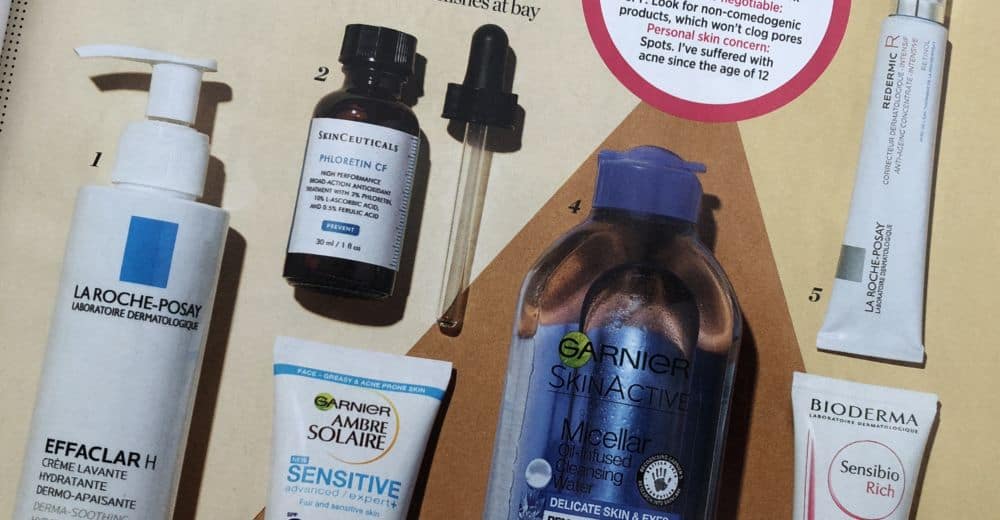
I was recently featured on the home page of Get The Gloss talking all about my favourite beauty buys with journalist Judy Johnson. In case you missed it, I’ve posted a copy of the original interview just below. For details of where to find the products I’ve mentioned, click on the link at the bottom of this page to go to the article on the Get The Gloss site. Here goes… Where do you prefer to shop for beauty (on or offline) and why? In general, I prefer to shop for new beauty products in-store so I can test how they really look and feel before buying. There is a wonderful pharmacy just round the corner from my clinic on Harley Street (John Bell & Croyden) that carries all of my favourite skincare lines, so this is usually my first port of call. If I’m short on time and already know exactly what I want, or if a product is a bit niche and I don’t have time to trawl around looking for it, I will buy online from escentual.com or skinoracle.com. What’s the last makeup item you bought and why do you like it? I have a bit of a concealer habit and the last makeup item I bought was Bare Minerals SPF20 Correcting Concealer. It has a really nice creamy texture and gives good coverage, so I use it to cover dark circles under my eyes. I love the fact that it doesn’t crease or flake because the skin under my eyes tends to get quite dry as it is. My favourite concealer for covering spots, on the other hand, is the Vichy Dermablend corrector stick. And your most recent skincare purchase? I’m now in my mid 30s, so my top skin priorities are keeping blemishes at bay and also slowing the signs of ageing. This means that I use a product containing vitamin A – a retinoid or retinol – at night. There are a couple I go between, but I’ve just topped up my La Roche Posay Redermic R again. Which products do you gift to friends? I’m pretty strict about sticking to my skincare routine so don’t deviate all that much, even when given new beauty products to try. My sisters and my Mum will often volunteer to “help out” if I’m given something to test and it’s better suited to their skin than mine! In terms of buying gifts for friends, I will often pick a mask or something like that which can be used as a treat. Some of my favourites are the Skinceuticals Phytocorrective masque for soothing tired skin or Medik8 Natural Clay mask for soaking up shine. You have £500 to spend at a makeup counter. Which one do you choose and why? Ooh that’s tough. One of the nicest things about having good skin these days is not having to wear loads of makeup, so I tend to keep things quite simple. If I had £500 to splurge on makeup, I’d probably head to SpaceNK where I usually buy my staple products and add a few extras to the basket. Some of my all-time favourites are Nars – I like their Blush in Orgasm, Bronzing Powder in Laguna and I adore the new limited edition Nars Erdem lipstick in Bloodflower, Laura Mercier – Secret Camouflage Concealer, Eyeko – Brow Gel and Liquid Eyeliner and Hourglass – Liquid Powder Foundation and Veil Translucent Setting Powder. Have you ever had your makeup done at a makeup counter? Which brand and what did you think of it? I was always really self-conscious about my skin as a teenager so the idea of letting someone else do my makeup was terrifying. Once my spots were under control, I could finally enjoy getting glammed up. I had my makeup done at a Nars counter some years ago and was so thrilled with the result that I immediately went and bought all of the products that had been used. Sadly, I wasn’t able to recreate the look when I tried it on my own at home, but there were a few bits that I really loved and still use to this day. The Nars bronzing powder in Laguna is an example. What would be in your Boots or supermarket shopping basket beauty-wise? 1.Aveeno cream and body wash which are both moisturising essentials. 2.Bioderma Atoderm hand cream which I keep by the sink in my clinic and in my handbag. 3.Flexitol balm which I massage into my heels every night after I shower to keep my feet soft and smooth. 4.For my face, I prefer a really mild gel or cream cleanser and a simple, nourishing moisturiser as these help me to tolerate the active ingredients in my skincare routine better. La Roche Posay and Avene have great options. What’s your favourite budget beauty buy? Garnier Micellar Cleansing Water for sensitive skin. It’s super gentle and works just as well as other micellar waters that cost ten times the price. I use it every evening to take off my makeup before cleansing and also carry it in my gym bag so I can make sure my skin is squeaky clean before and after every workout. And the most expensive? Skinceuticals Phloretin CF serum is probably the most expensive skincare product I buy, but well worth the investment. It contains 10% pure vitamin C (L-ascorbic acid) and a host of other antioxidant ingredients which help to reduce damage to the skin from UV rays and city pollution. Unlike lots of other serums, it isn’t greasy and doesn’t clog pores so can be safely used on breakout-prone skin. Where do you get your hair done and what products and treatments/tools do you buy? I absolutely love my hairdresser (Mario Sammour in St John’s Wood) and keep telling him that he’s never allowed to move away or retire as I don’t know what I would do without him. My hair is very fine, but he makes it look like
In case you missed my facial sunscreen recommendation in “9 Facial SPFs Rated By The Experts” in Sheerluxe last week, this is what I had to say… “Having suffered with acne for many years, it’s important for me to use an SPF moisturiser every morning that gives effective UV protection, but won’t give me spots. Garnier Ambre Solaire Anti-Imperfection sun cream is a favourite – it’s non-comedogenic meaning it won’t block pores and contains salicylic acid to soak up shine and target blemishes.” – Dr Justine Kluk, Consultant Dermatologist. © 2018 Dr Justine Kluk. Any redistribution or reproduction of part or all of the contents of this post in any form is prohibited. You may not, except with our express written permission, copy, distribute or commercially exploit the content. Nor may you transmit it or store it in any other website or other form of electronic retrieval system.
SPF. Sensible, essential and non-negtotiable. So says journalist Anna Hunter this week in her round up of the new, non-greasy, innovative formulations that are making sunscreen easier than ever to adapt into your daily routine. Keep reading below for my full interview with Get The Gloss about SPF makeup. To see my quotes in the article, including product recommendations, click here. If you want to wear makeup as your sole form of SPF, what should you look out for? I would strongly advise against using makeup as your sole form of SPF. We just don’t apply these products in a thick or even enough layer to get anywhere close to the level of protection provided by a typical sunscreen or sun protection moisturiser. Instead, makeup with SPF should be thought of as your second line of defence against UV rays once you’ve already applied sunscreen because two forms of sun protection are better than one. After cleansing, apply a broad spectrum (UVA/ UVB) sun protection moisturiser with SPF30 or higher to your face, ears, neck and chest. If you’re prone to breakouts, pick a non-comedogenic formulation that won’t clog your pores. Follow with an SPF-containing foundation or powder, depending on how much coverage you’re looking for. If you’re dashing in and out of the office during the day, remember to top up regularly. Would you have to wear a heavy layer or more than you might normally for adequate SPF protection? You would need to apply several times the normal amount of foundation, for example, to get anywhere near the level of protection stated on the bottle. Most of us just don’t want to put that amount of makeup on because it wouldn’t look good. Would you need to reapply SPF makeup throughout the day? Yes. If you’re exposing your skin to the sun, particularly between 11am and 3pm when it’s directly overhead, it is essential to top up your sun protection every couple of hours. Is there a formula that works best in terms of SPF protection (powder, liquid, solid)? Are SPF powders safe? To the best of my knowledge, there haven’t been any head to head studies published in the medical literature comparing the levels of sun protection from different types of foundation. I would therefore choose whichever formula or texture you prefer, provided you have already applied a dedicated sun protection product underneath. The challenge with powders is applying enough to get adequate protection. They are certainly convenient for top-ups, particularly in those who don’t like to wear heavy makeup and may also help soak up sweat that can cause your SPF to wear off, but shouldn’t be relied upon on their own. In terms of safety, skincare products are subject to rigourous scientific testing before becoming commercially available. If there is a concern about the ongoing safety of a particular type of product or research points to new health concerns, they are usually withdrawn pretty quickly. It would seem sensible to stick with reputable brands who specialise in sun protection and have a good track record for safety when selecting your products. Do you have any favourite SPF base makeup that you would recommend? Heliocare oil free compact SPF50 Colorescience Sunforgettable SPF30 or SPF50 Garnier Ambre Solaire nourishing lip protection stick SPF20 In terms of SPF in other makeup, what should you look out for when buying a lipstick/ lip balm/ under eye concealer etc? For lip protection, your best bet is a clear lip balm or stick with the highest SPF that you can find. Most of those currently available are SPF15-20. If you can’t bear the thought of going without lip colour, apply your ordinary lipstick on top of the SPF balm, allowing a few minutes for it to soak in, or use the SPF lip balm as a type of gloss on top. My thoughts about eye shadows, concealers and other types of makeup with SPF are that they aren’t be applied in a thick enough layer to give any meaningful protection on their own so they must always be used as well as sunscreen, not instead of, and simply be considered a boost to whatever protection is already in place. © 2018 Dr Justine Kluk. Any redistribution or reproduction of part or all of the contents of this post in any form is prohibited. You may not, except with our express written permission, copy, distribute or commercially exploit the content. Nor may you transmit it or store it in any other website or other form of electronic retrieval system.
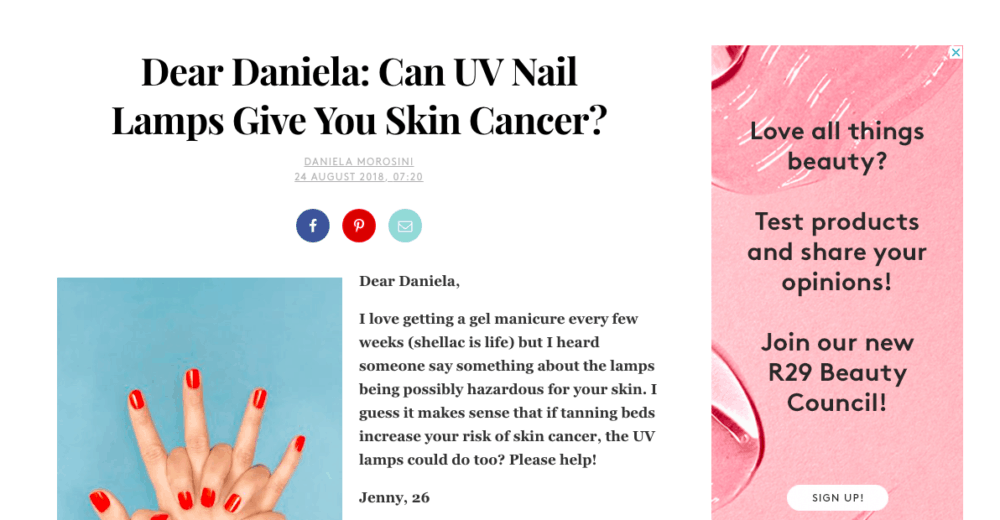
We know sunbeds and sunbathing are bad news when it comes to increasing our chances of developing skin cancer, but what about the UV lamps used for gel manicures? Daniela Morosini asked me this very question for her recent article in Refinery29 and it turns out the answer isn’t as simple as you might think. My round up of the current evidence is summarised below and a link to the full article in Refinery29 is available here. Whilst there is no doubt that tanning beds increase the risk of skin cancer, current evidence on the carcinogenic risk of UV nail lamps is variable and controversial. Some studies suggest that the risk is clinically significant and there have been a small number of case reports linking the use of UV nail lamps to the development of skin cancer on the hand, whilst other studies have concluded that the exposure risk is negligible and that thousands of individuals would need to use one of these lamps regularly for one to develop a squamous cell carcinoma (a type of skin cancer) on the back of the hand. One of the challenges in quantifying the true risk of UV nail lamps is that research is still very limited on the subject. Even then, some of the existing data suggesting that they are safe to use was conducted by those with a commercial interest in nail products, introducing potential bias when interpreting the outcomes. A further challenge is that there are a multitude of different brands using different types of bulbs. The bottom line is that we don’t yet know for sure whether exposure from typical use of these lamps, for example less than 5 minutes twice per month, does actually increase the risk of skin cancer and until then caution must be advised. Whilst there is no UK guidance so far, the Skin Cancer Foundation in the USA and the American Academy of Dermatology recommend that prior to a gel manicure, clients should apply a broad-spectrum sunscreen to the hands. Given their widespread use, further research is urgently required so that doctors can advise members of the public accurately. © 2018 Dr Justine Kluk. Any redistribution or reproduction of part or all of the contents of this post in any form is prohibited. You may not, except with our express written permission, copy, distribute or commercially exploit the content. Nor may you transmit it or store it in any other website or other form of electronic retrieval system.
I’m so thrilled to have been included in Stylist Magazine’s 7 Skincare Experts You Should Be Following On Instagram this week. This is what beauty journalist Elizabeth Bennett had to say about me: Dr Justine Kluk Best for: Targeted solutions for acne and rosacea Thanks to her extensive experience treating patients suffering from acne and rosacea both in the NHS and her private practice, Dr Justine Kluk is a mine of information on the subject. Her feed is a mix of expert product recommendations, her take on beauty trends (the good and the bad), and an insight into what a dermatologist actually uses on her skin. If you don’t already follow me on Instagram, click here to see what all the fuss is about! © 2018 Dr Justine Kluk. Any redistribution or reproduction of part or all of the contents of this post in any form is prohibited. You may not, except with our express written permission, copy, distribute or commercially exploit the content. Nor may you transmit it or store it in any other website or other form of electronic retrieval system.
I was recently asked by Grazia magazine for my thoughts about gels which are popping up all over the beauty aisles. To see what all the fuss is about and understand the benefits better, have a read below. Why are we seeing a move away from creams to gels? Gels contain a higher ratio of water to oil than creams or lotions so are perfect for adding moisture to the skin without making it greasy or sticky. Do they help deliver ingredients better or are they just a gimmick? Gels are lighter weight and absorbed more quickly than creams so are great for layering with other products, especially if you’re pushed for time. Are they more suitable for one skin type or do they suit all? Gels are suitable for all skin types, but the fact that they are non-oily means that they are particularly good for hydrating skin that is prone to breakouts or excess shine without aggravating these problems. Certain gels may not provide sufficient hydration for extremely dry skin types, but the addition of ingredients such as hyaluronic acid can overcome this. What products do they work especially well with – can you ditch serums/oils etc? Gels don’t necessarily replace oils or serums; they just provide a different method of delivering ingredients into the skin, whether it be an antioxidant, a moisturising agent or any other skincare active. For example, I have combination skin and tend to develop a bit of shine in my T-zone by the end of the day. To combat this, I use a lightweight vitamin C antioxidant gel on my nose and forehead in the morning and a serum version from the same brand on the rest of my face where the skin is drier. A lot of the jelly formulas contain things like hyaluronic acid – is the weighting more compatible to these formulas? Or are there any ingredients in particular that work better in gels than creams and why? Jelly formulas are designed to be plumping, smoothing and hydrating. Hyaluronic acid is a really powerful humectant, meaning it can hold up to 1000 times it’s weight in water molecules, so is the perfect ingredient in a gel to help deliver these goals. What other textures do you think we’ll start to see trending? We’ve seen creams, lotions, sprays, serums and gels so maybe foams or mousses are next. © 2018 Dr Justine Kluk. Any redistribution or reproduction of part or all of the contents of this post in any form is prohibited. You may not, except with our express written permission, copy, distribute or commercially exploit the content. Nor may you transmit it or store it in any other website or other form of electronic retrieval system.
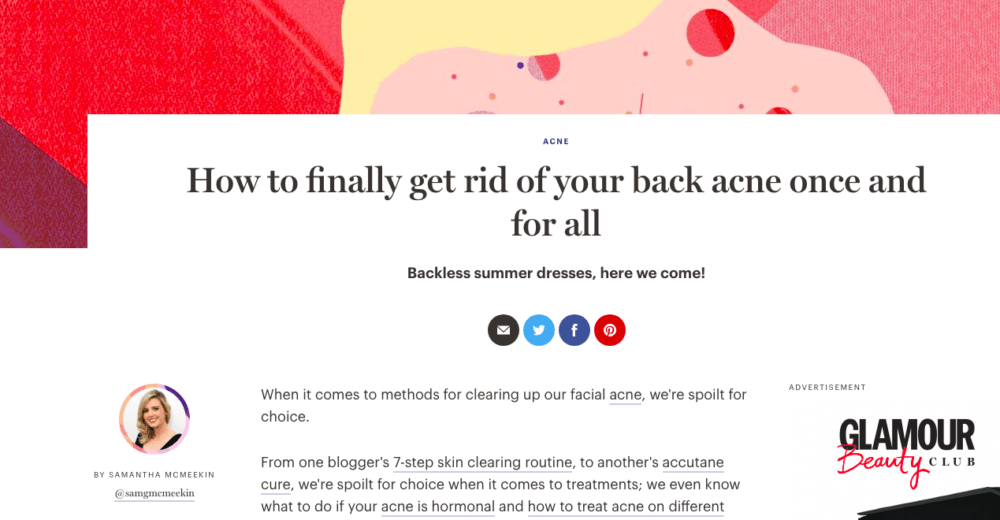
With sunny weather on the horizon for the upcoming bank holiday, off-the-shoulder tops and strappy dresses mean that it’s time to think about how to finally get rid of back acne or “bacne”. Some of my top pointers are listed below, but you can read my advice in Glamour by clicking here for the full article. 1. Shower every day. 2. Look for a shower gel or body wash containing the ingredients salicylic acid, glycolic acid or lactic acid and use an exfoliating scrub in the shower two or three days a week to prevent dead skin cells from building up and blocking your pores. 3. Apply a moisturiser to soothe and repair your skin barrier, but make sure that any products you leave on your skin are labelled ‘non-comedogenic’, meaning they won’t clog your pores. 4. Shower as soon as possible after exercise. Bacteria loves sweaty skin so it is important to remove your gym clothes as soon as possible, especially bra tops. 5. Wash bras after every wear. 6. Carry a spare T-shirt with you if you tend to sweat more in warmer weather. 7. Whatever you do, don’t pick, squeeze or scratch your spots. This increases inflammation and can lead to scarring. If you’ve tried all of these things and are still struggling to get on top of your breakouts or are aware of developing scars, come see me to discuss the prescription treatments that are available. © 2018 Dr Justine Kluk. Any redistribution or reproduction of part or all of the contents of this post in any form is prohibited. You may not, except with our express written permission, copy, distribute or commercially exploit the content. Nor may you transmit it or store it in any other website or other form of electronic retrieval system.
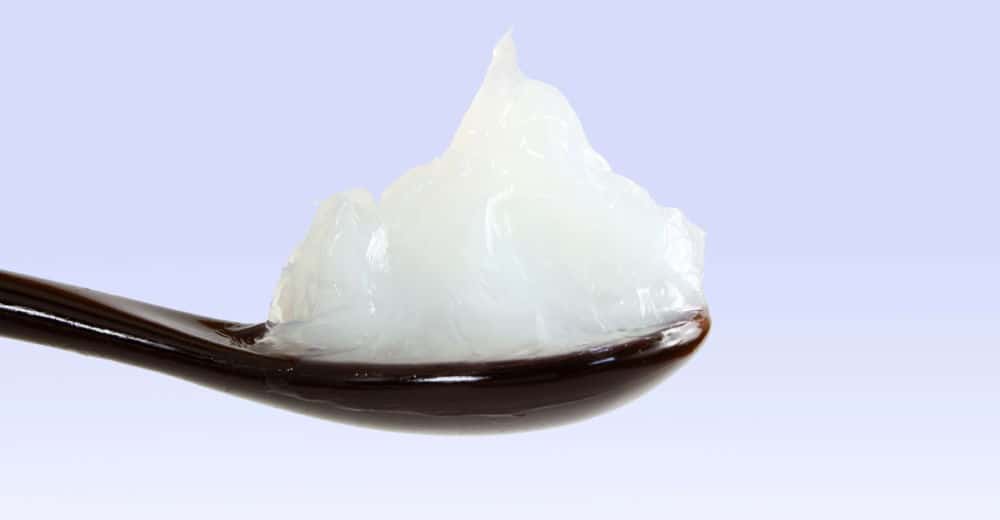
Slathering your skin in petroleum jelly before bed is all the rage in Korean beauty circles. But is it any good for your complexion? Jacqueline Kilikita from Stylist magazine investigates. To read my comments on this craze and for some more evidence-based skincare solutions that won’t leave you with a face full of pimples and blackheads, click here. © 2018 Dr Justine Kluk. Any redistribution or reproduction of part or all of the contents of this post in any form is prohibited. You may not, except with our express written permission, copy, distribute or commercially exploit the content. Nor may you transmit it or store it in any other website or other form of electronic retrieval system.
Whether you’re dealing with blackheads, whiteheads or the cystic, under-the-skin kind, spots can be debilitating to live with. You don’t have to suffer though, because there is effective treatment. I was recently interviewed by Jacqueline Kilikita on behalf of Elle Magazine to help readers decode some of the different acne treatments available. In the spirit of sharing, I thought I’d post the full answers to her questions below as they may be useful to anybody considering treatment for breakouts. Remember, effective control of blemishes is not a one size fits all situation. If a treatment hasn’t worked for someone else you know, it doesn’t mean it won’t work for you – and vice versa. When I am making a treatment plan for a new patient with acne in my clinic, there are a number of factors I take into consideration before prescribing a certain medication. This includes the types of spots you have, where they are on the body, if you are developing scarring or discolouration and what treatments you may already have tried. Sometimes a combination of treatments may be needed if they haven’t worked alone. If you are suffering with acne and would like effective treatment and skincare advice from someone who understands how it feels from personal experience, I’d love to help you. Click on the pink Contact button at the bottom of this blog post to get in touch. Retinoid creams Topical retinoids are derived from vitamin A and work by unclogging pores. They are the treatment of choice for blackheads and closed comedones, the small, stubborn skin-coloured bumps that often appear on the forehead and sides of the cheeks or jawline. Topical retinoids also have direct anti-inflammatory effects and can be combined with other treatments, such as oral antibiotics, for treating more inflamed spots and maintaining results afterwards. Side effects include include redness, dryness, itching and stinging. A good Consultant Dermatologist will give you tips on how to introduce these and which skincare products to combine them with to improve tolerability. Increased sensitivity to the sun means that treatment is usually applied at night and using a non-comedogenic (non pore-blocking) SPF in the morning is strongly recommended. Benzoyl peroxide Benzoyl peroxide works by killing the bacteria that cause acne. It can be applied regularly to help control ongoing breakouts and on an ad hoc basis to reduce flare-ups. The main downside of benzoyl peroxide is that it can cause skin irritation, so you only need to apply a small amount to affected areas or redness and peeling are likely. It can also bleach your towels, clothing and bedsheets so be careful when and how you apply it and consider wearing an old T-shirt to bed if you are applying it to your back or chest. Antibiotic lotions or gels Topical antibiotics, such as erythromycin and clindamycin, are effective acne treatments but should not be used on their own wherever possible due to the risk of developing bacterial resistance. They can, however, be combined with benzoyl peroxide to reduce this risk and to improve results as they tackle bacteria in different ways. Isotretinoin (Roaccutane) Isotretinoin is an oral retinoid and the treatment of choice for severe or persistent acne associated with nodules or cysts, scarring or psychological distress and when other first-line treatments have failed. It works by suppressing sebaceous gland activity, helps us to shed our dead skin cells more effectively to prevent blocked pores and also reduces inflammation and the growth of P. acnes, the bacteria implicated in acne development. Isotretinoin is the most effective anti-acne treatment available, but does have some important side effects and may not be suitable for everyone. These include a high risk of birth defects, meaning that females must take careful steps to prevent pregnancy during treatment and close supervision by a Dermatologist experienced in prescribing the drug is mandatory. Dry, cracked lips are common, blood tests must be done to monitor cholesterol and liver function, alcohol intake should be restricted and prolonged sun exposure must be avoided as there is a higher risk of getting a sunburn. Spironolactone A medicine called spironolactone may also be helpful in some people by reducing the effects of testosterone on the skin. Prescription of this needs to be decided on as case by case basis by a Consultant Dermatologist, however, as it is licensed for the treatment of Polycystic Ovarian Syndrome (PCOS), not acne per se. Spironolactone is often taken alongside the contraceptive pill as it can disrupt your menstrual cycle and it cannot be taken if you are planning a pregnancy due to potential effects on the developing baby. At higher doses, spironolactone is used as a diuretic so needing to pee more frequently is also possible at lower doses. Spironolactone helps control spots in a third of people, reduces them in another third and has no effect on the final third. Light and laser treatments Although limited data has shown that laser or light treatments may improve acne in certain individuals, these are not recommended routinely as there is much less evidence of their benefits compared to prescription therapy when used for the wider population. © 2018 Dr Justine Kluk. Any redistribution or reproduction of part or all of the contents of this post in any form is prohibited. You may not, except with our express written permission, copy, distribute or commercially exploit the content. Nor may you transmit it or store it in any other website or other form of electronic retrieval system.
This month, I’m featured on the Skin Clinic page of Women’s Health sharing a bit about me, my typical day and some of the products I use personally to help keep my own blemishes at bay as London’s go-to acne and acne scarring expert. Read all the juicy details in the full interview below. Enjoy! 1. Name – Dr Justine Kluk 2. Age – 35 (I’ve actually turned 36 since these questions were answered!) 3. Profession – Consultant Dermatologist 4. Typical day I get up early as I like to fit in some exercise before heading to my clinic. I spin three mornings a week at a local studio called Spinnoff near my home in Hampstead. The class is pretty gruelling, but the music is invigorating and I always feel ready to face whatever the day has to throw at me afterwards. Once I’ve showered and changed, I grab a coffee and make my way to my private dermatology clinic in London’s Harley Street. There is no average day in the clinic! Every patient has their own unique story and my job is to ensure that I tailor the treatment and the skincare advice I give to their individual concerns in order to get the best results. Having said this, many patients who come to see me are looking for help with acne and acne scarring. These are my particular areas of expertise, and having suffered personally with persistent breakouts throughout most of my teens and twenties, they know they will find a sympathetic ear and someone who is really motivated to make things better for them from first-hand experience. After clinic, I might meet a friend or colleague for a drink nearby or spend a little time browsing the stores around Oxford Street. I always find myself drawn to the beautiful row of boutiques in St Christopher’s Place, just behind Selfridges, for a bit of window shopping. This is one of the real perks of working in central London as there is so much to do and see and I try my best to take full advantage of it all! 5. Skincare philosophy Keep it simple. Choose products with ingredients you recognise and know to be effective. Give new products time to work – don’t keep chopping and changing. Make sure that the products you pick are suited to your skin type. One size does not fit all. 6. Skincare non-negotiable SPF. It’s a no-brainer! As well as protecting you from skin cancer, wearing a sun protection moisturiser every morning, come rain or come shine, reduces your risk of dark spots, saggy skin, fine lines and wrinkles. There are lots and lots of really nice, cosmetically acceptable sunscreens available these days that don’t leave thick, sticky, white marks everywhere. If you look for the words “non comedogenic” on the package label, they shouldn’t clog your pores either. 7. Personal skincare concern Spots. I suffered with acne from the age of 12 or 13. Like many parents, mine thought I’d grow out of it by the time I reached my twenties. I didn’t and it made me feel totally miserable. It may sound dramatic, but when I did eventually get effective treatment, it was an absolute game-changer and this is the main reason I went to medical school and specialised in Dermatology. I wanted to make sure that no-one else had to feel the way I did when there is treatment that actually works. These days I get to help others with a similar story to me every day and it is so rewarding, both personally and professionally. 8. 3 products you use in the morning and why? In the morning, I splash some lukewarm water on my face then massage a gentle cleanser like La Roche Posay Effaclar H cleansing cream over my skin before rinsing and patting dry. This removes any grease or dirt and prepares my skin for the rest of my routine. Next up is my antioxidant serum. I love Skinceuticals Phloretin CF serum which contains 10% vitamin C. Antioxidants protect your skin from environmental damage like UV rays and city pollution by neutralising free radicals so are great as part of any anti-ageing skincare routine or if your goal is a brighter complexion. Finally, I apply a sun protection moisturiser. Because of my history of breakouts, I will only use a non-comedogenic product and I can highly recommend Garnier Ambre Solaire Sensitive Advanced anti-imperfection sun cream which also contains salicylic acid to help control blemishes. 9. 3 products you use in the evening and why? At night, I use micellar water to remove my makeup before cleansing. I also keep a bottle next to my bed along with some cotton pads in case I am ever tempted to skip my evening routine because I’ve had a late night. Garnier’s new oil-infused cornflower micellar water is a godsend for removing eye-makeup. I follow this with a retinol cream, such as Redermic R by La Roche Posay 3 nights per week. This helps with evening skin tone, preventing fine lines and tightening pores. If my spots have been problematic, I may use a prescription cream at this point instead. Finally, my skin has a tendency to get irritated if I overdo the retinol, particularly in autumn and winter when the air is much drier. I finish my evening routine by applying a soothing moisturiser such as Bioderma Sensibio Rich. By reinforcing the skin barrier, it helps reduce those tight, uncomfortable sensations and also calms redness. If you’re struggling with spots and would like me to help you get them under control, call my team to book an appointment on 02037333225. © 2018 Dr Justine Kluk. Any redistribution or reproduction of part or all of the contents of this post in any form is prohibited. You may not, except with our express written permission, copy, distribute or commercially exploit the content. Nor may you transmit it or store it in any other website or other form of
Is SPF makeup really worth it? My opinion is that it boosts your base SPF rather than replacing it so should be considered a second line of defence. Read my comments for Get The Gloss this week by clicking here. © 2018 Dr Justine Kluk. Any redistribution or reproduction of part or all of the contents of this post in any form is prohibited. You may not, except with our express written permission, copy, distribute or commercially exploit the content. Nor may you transmit it or store it in any other website or other form of electronic retrieval system.
Adult acne is on the rise. As London’s go-to Consultant Dermatologist for acne and acne scarring, it was a pleasure to be interviewed for Lucy Partington’s awesome feature in this week’s Stylist about the latest breakout breakthroughs. Click here to read about the therapies, foods and products at the heart of research into combatting acne. © 2018 Dr Justine Kluk. Any redistribution or reproduction of part or all of the contents of this post in any form is prohibited. You may not, except with our express written permission, copy, distribute or commercially exploit the content. Nor may you transmit it or store it in any other website or other form of electronic retrieval system.
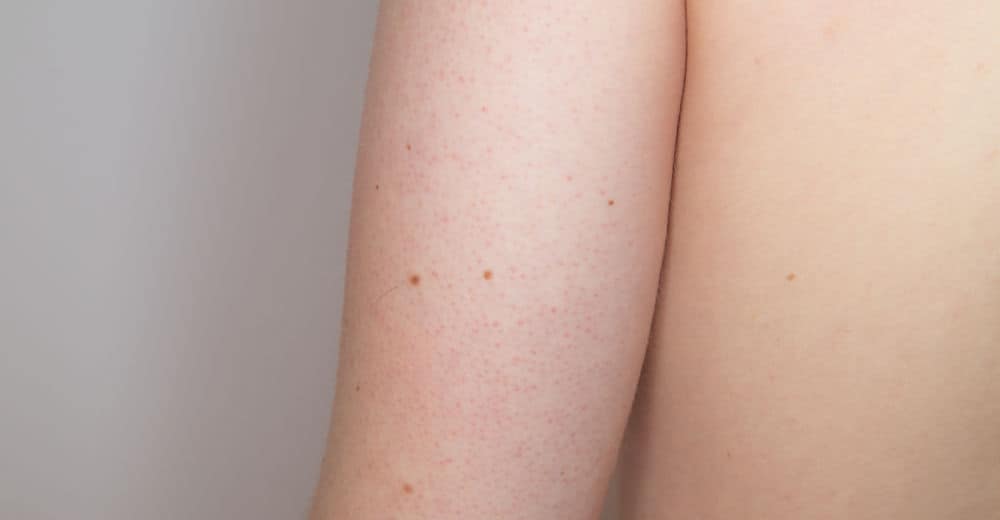
Keratosis Pilaris, sometimes unflatteringly referred to as “chicken skin”, is a stubborn skin condition that causes pesky, dry, rough, red bumps to appear on the upper arms. If you have KP, you’re not alone as 1 in 20 of us will be affected at some point and it can be difficult to get on top of. Jacqueline Kilikita of Elle magazine recently asked me for the lowdown. To read the tips I shared with her, click here © 2018 Dr Justine Kluk. Any redistribution or reproduction of part or all of the contents of this post in any form is prohibited. You may not, except with our express written permission, copy, distribute or commercially exploit the content. Nor may you transmit it or store it in any other website or other form of electronic retrieval system.
Beauty journalist, Malena Habers, wrote in last weekend’s Sunday Times Style about instant gratification skincare and why we’re so obsessed with rapid results. It was my pleasure to provide a few of my thoughts for the article and I’ll share these here with you too. There is definitely an increasing demand for instant results. With our culture of taking selfies and documenting our every move on social media, the pressure to look photo-ready at all times is enormous. With pretty much everything these days occurring at the touch of a button, whether it’s a taxi or a takeaway, we are definitely less patient on the whole and having great skin is no different. Having said that, most patients who come to see me in the clinic for acne, scarring or cosmetic treatments understand that improving their skin is a process and that it may take a few weeks to start seeing results. Despite having to be patient in the beginning, the upside is that any prescriptions, procedures and skincare advice used in my clinic are evidence based and have a track record of being effective. This means better and more predictable outcomes and a greater chance of maintaining results in the longer term (and is not to say that certain products can’t make you a little glossier, smoother and plumper in the meantime). Some people bring in images of celebrities, influencers and friends and tell me they’d like to look the same, but will agree that their skin or overall appearance is very different to start with. My advice is always to aim for the best version of yourself, not someone else. Understanding this is key to managing expectations. Those who are unrealistic about timeframes and ultimately what is safe, achievable or desirable may keep chopping and changing products (or doctors!) every time a new “miracle cure” becomes available and are most likely to be disappointed in the longer run. Just my opinion. What do you think? © 2018 Dr Justine Kluk. Any redistribution or reproduction of part or all of the contents of this post in any form is prohibited. You may not, except with our express written permission, copy, distribute or commercially exploit the content. Nor may you transmit it or store it in any other website or other form of electronic retrieval system.
Is wearing makeup on an aeroplane actually that bad for your skin? Journalist Jacqueline Kilikita and the team at Refinery29 asked me this very question recently. To see what I had to say on the matter, click on the link below. To be absolutely clear, I am not recommending that you do wear makeup when you fly. My advice is to always stick to your normal skincare routine whenever and wherever practical. So, it’s not a disaster if you wear makeup on a short-haul flight and I wouldn’t have thought that this should be particularly detrimental to your skin health in the bigger picture. You won’t, however, find any Dermatologist who says it’s okay to sleep with your makeup on and, to my mind, the same applies for removing your makeup before you go to sleep on a long-haul flight. If you can’t face the idea of boarding barefaced, opt for non-comedogenic products if your skin is prone to breakouts. Lightweight, hydrating tinted moisturisers or BB creams are your best bet if your skin gets dry when you fly. Happy reading! http://www.refinery29.uk/2018/01/187478/wearing-makeup-plane-skin © 2018 Dr Justine Kluk. Any redistribution or reproduction of part or all of the contents of this post in any form is prohibited. You may not, except with our express written permission, copy, distribute or commercially exploit the content. Nor may you transmit it or store it in any other website or other form of electronic retrieval system.
How do you prepare for another crazy Monday? For me, it’s doing some exercise, good food (and wine) and enjoying downtime with my family and friends. I like the idea of a long soak in the bath on a Sunday evening, but the truth is that my skin gets very dry if I spend too long in the bath or shower so I have to limit these sadly, something I talked to Boots Health and Beauty magazine about recently. Having fingers like prunes is another reason to hop out pretty sharpish and, truth be told, I’m actually not very good at sitting still for longer than 5 minutes. Read the article featuring me here © 2018 Dr Justine Kluk. Any redistribution or reproduction of part or all of the contents of this post in any form is prohibited. You may not, except with our express written permission, copy, distribute or commercially exploit the content. Nor may you transmit it or store it in any other website or other form of electronic retrieval system.
Victoria Derbyshire interviews me and actress Terri Dwyer about melanoma, sunbeds and sun safety. © 2015 Dr Justine Kluk. Any redistribution or reproduction of part or all of the contents of this post in any form is prohibited. You may not, except with our express written permission, copy, distribute or commercially exploit the content. Nor may you transmit it or store it in any other website or other form of electronic retrieval system.
Know your skincare ingredients and where they come from! Discussing transparency in beauty product labelling and packaging on Sky News in my role as Dermatologist for Garnier UK. © 2017 Dr Justine Kluk. Any redistribution or reproduction of part or all of the contents of this post in any form is prohibited. You may not, except with our express written permission, copy, distribute or commercially exploit the content. Nor may you transmit it or store it in any other website or other form of electronic retrieval system.
Have you spent an untold fortune on skin creams and serums only to find that they failed to deliver the goods? BBC News asked me to share my top tips for navigating the beauty aisles and choosing products with ingredients that really work. These are the sort of ingredients that I like to include in my patients’ skincare routines when they visit me in the clinic. Of course, the specific products containing these have to be personalised for your particular skin type. Check out my tips for yourself here http://www.bbc.com/news/av/health-40822018/helen-mirren-thinks-moisturisers-don-t-work-we-ask-an-expert © 2017 Dr Justine Kluk. Any redistribution or reproduction of part or all of the contents of this post in any form is prohibited. You may not, except with our express written permission, copy, distribute or commercially exploit the content. Nor may you transmit it or store it in any other website or other form of electronic retrieval system.
In my role as Dermatologist for Garnier UK discussing the importance of knowing what’s contained in your skincare products. © 2017 Dr Justine Kluk. Any redistribution or reproduction of part or all of the contents of this post in any form is prohibited. You may not, except with our express written permission, copy, distribute or commercially exploit the content. Nor may you transmit it or store it in any other website or other form of electronic retrieval system.
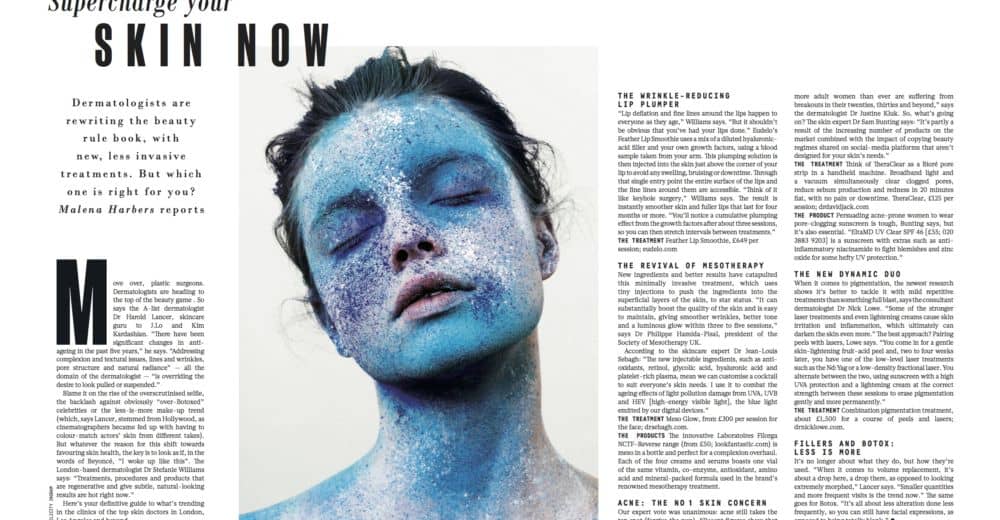
Supercharge your skin now! Malena Harbers writes about the Dermatologists “heading to the top of the beauty game”. I was thrilled to be featured as one of London’s go-to Dermatologists for acne. © 2017 Dr Justine Kluk. Any redistribution or reproduction of part or all of the contents of this post in any form is prohibited. You may not, except with our express written permission, copy, distribute or commercially exploit the content. Nor may you transmit it or store it in any other website or other form of electronic retrieval system.
How to look gorgeous well into your sixth decade? You could ask Jerry Hall…or you could check out some of the tips I shared with The Telegraph earlier this month. Journalist Victoria Hall selects her top beauty picks to help the cause including Paula’s Choice Anti-Aging Hyaluronic Acid Booster and The Ordinary Hyaluronic Acid Serum http://www.telegraph.co.uk/beauty/skin/beauty-changes-make-60s/ © 2017 Dr Justine Kluk. Any redistribution or reproduction of part or all of the contents of this post in any form is prohibited. You may not, except with our express written permission, copy, distribute or commercially exploit the content. Nor may you transmit it or store it in any other website or other form of electronic retrieval system.
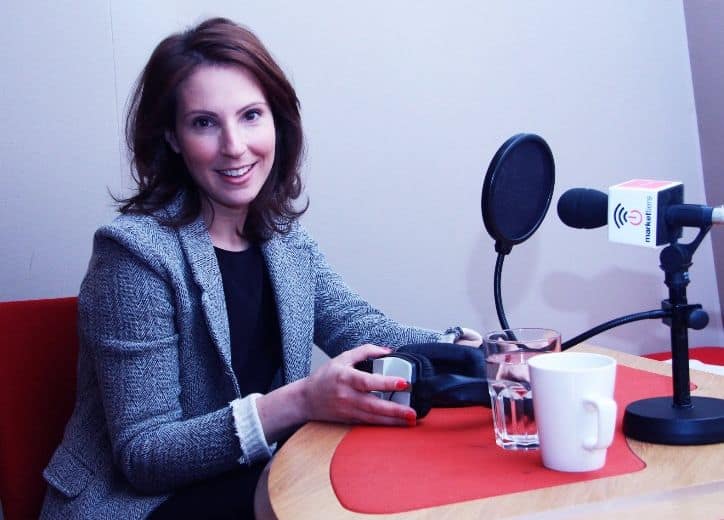
The gorgeous Anne Marie Gee (aka Catwalk Schoolgates) popped into the clinic to chat holiday skincare with me. Do you stop your retinol on sunny holidays?
Lee-Anne Weise asks me about knowing your skin type, developing a skincare routine and banishing blemishes http://www.fashionsfinest.com/features/exclusive-interviews/item/4817-interview-with-dr-justine-kluk-consultant-dermatologist
Victoria Hall explores the pros and cons of wearing makeup to work out with tips from me http://www.telegraph.co.uk/beauty/make-up/should-you-wear-make-up-when-you-exercise-we-asked-the-experts/ © 2016 Dr Justine Kluk. Any redistribution or reproduction of part or all of the contents of this post in any form is prohibited. You may not, except with our express written permission, copy, distribute or commercially exploit the content. Nor may you transmit it or store it in any other website or other form of electronic retrieval system.
It was so exciting to be interviewed by Really Ree for this In Highlight feature. Find out what inspired me to become a Dermatologist, how I feel about my own skin and what some of my favourite makeup and beauty products are http://www.reallyree.com/highlight-dr-justine-kluk-consultant-dermatologist/ © 2017 Dr Justine Kluk. Any redistribution or reproduction of part or all of the contents of this post in any form is prohibited. You may not, except with our express written permission, copy, distribute or commercially exploit the content. Nor may you transmit it or store it in any other website or other form of electronic retrieval system.
How to stop excessive sweating from ruining your summer. Lizzie Pook explores the science of sweating with help from me http://www.marieclaire.co.uk/life/health-fitness/excessive-sweating-506302
Victoria Hall writes about the best lightweight moisturisers to save your face this autumn with tips from me http://www.telegraph.co.uk/beauty/skin/the-best-lightweight-moisturisers-to-save-your-face-this-autumn/ © 2016 Dr Justine Kluk. Any redistribution or reproduction of part or all of the contents of this post in any form is prohibited. You may not, except with our express written permission, copy, distribute or commercially exploit the content. Nor may you transmit it or store it in any other website or other form of electronic retrieval system.
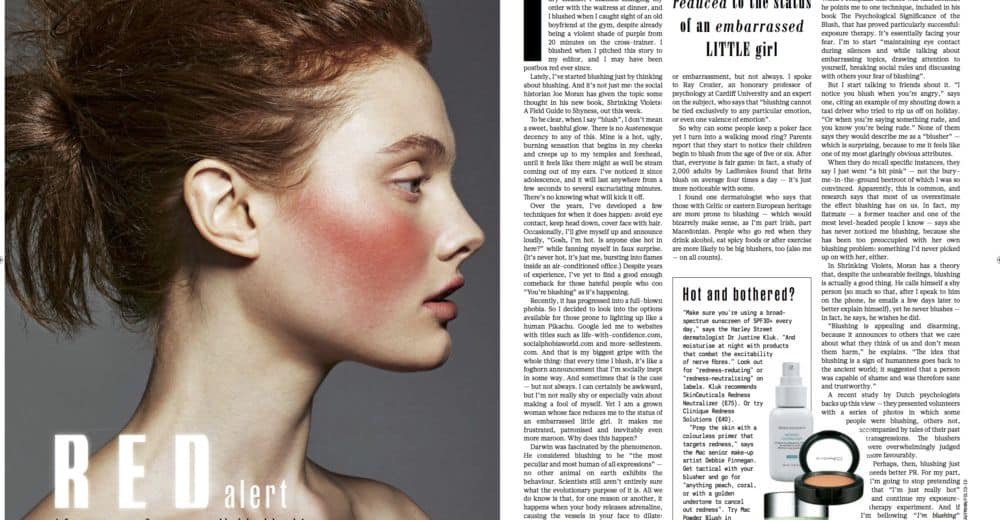
Red alert! Louisa Mc Gillicuddy writes about redness, flushing and blushing with skincare tips from me. © 2016 Dr Justine Kluk. Any redistribution or reproduction of part or all of the contents of this post in any form is prohibited. You may not, except with our express written permission, copy, distribute or commercially exploit the content. Nor may you transmit it or store it in any other website or other form of electronic retrieval system.
Book an appointment with our Consultant Dermatologists to review your acne history and all the treatment options.
Book now