Time for teenage skin
Do you have a teen in your life who is struggling with oily skin, blackheads or breakouts? Read below to discover my tips.


Do you have a teen in your life who is struggling with oily skin, blackheads or breakouts? Read below to discover my tips.
I was recently asked in an interview how living in a busy city, like London, can impact the health of our skin. Of course, there are multiple lifestyle and environmental factors to consider, but I think that pollution and stress are worthy of particular mention. If you’d like to know my thoughts on the matter, keep reading below: Can you explain exactly how external factors like pollution, commuting, city air, stress etc contribute to skin damage? We all know that UV rays from sunlight accelerate skin ageing and increase our risk of skin cancer, but city smoke and pollution have also been shown to trigger formation of free radicals in the skin leading to collagen destruction which results in loss of firmness and elasticity, wrinkles and sagging. City air can also leave a layer of dust, grease and grime on the skin which, if not removed effectively when cleansing the skin, can lead to breakouts. You may have noticed this visibly after a busy commute on the underground in rush hour. Stress has been shown to alter the immune functions of the skin and skin barrier function which can lead to increased oil production, pore clogging and growth of the bacteria that predispose us to spots. The bottom line is that city aggressors such as pollution and stress can negatively impact skin health. How much do you think working in a city contributes to the state of our skin? Stress lowers our threshold for getting breakouts. This may be from deadlines looming, working long hours, contending with a difficult commute or not getting enough sleep. Pollution from motor vehicles and factories has been proven to accelerate skin ageing through dark spot and wrinkle formation. A lot of this evidence comes from heavily industrialised areas, such as China. Does avoiding the city centre on the weekend make any difference whatsoever in terms of improving skin health? We know that pollution, smoking and stress can cause skin problems to flare-up and are detrimental to long-term skin health, so it would seem to make sense that being in a cleaner, less polluted environment and getting some respite from our hectic working lives should mean radiant, healthy-looking skin. I’m not sure that a weekend is long enough for this repair and recovery to take place, but it may be a good place to start! Why when we go on holiday does skin tend to improve? People wear less make-up – is that part of the reason? There are a few possible reasons why our skin improves on holiday. Firstly, removing ourselves from the daily grind and actively finding time to relax reduces stress levels which is beneficial for skin health. Many skin problems, including acne, eczema and psoriasis have been shown to improve when we take ourselves out of a stressful environment. Wearing less makeup may lead to an improvement in spots or blackheads if you typically use heavy or long-wearing products to work because you need them to have the staying power to provide coverage from early in the morning till you get home at night. These sorts of products are often occlusive or comedogenic, meaning that they can trigger breakouts. Having a break from them whilst you’re on holiday may give your skin a chance to recover. Finally, gentle sun exposure on holiday can lead to an improvement in certain skin conditions, such as psoriasis, but we are all too aware that lack of UV protection is associated with a higher risk of skin cancer so common sense and the usual sun precautions should still apply. Do you think it is a placebo effect that people think their skin feels better by wearing less makeup at the weekend? I think we would all like the freedom to wear less makeup if we wanted to. In reality, most people with an active skin condition, like acne, don’t feel like they really have any choice because they are embarrassed about how they look and are afraid of being rejected by others. Going make-up free is often seen as the exclusive privilege of those with blemish-free skin, so you can easily understand why we all want to join the club! I try to reassure my patients who are embarking on a course of acne treatment that it is okay to wear makeup if it makes them feel more comfortable, as long as the products are suitable for acne-prone skin. The best bet in this situation is to look for the words “non-comedogenic” on the product label for reassurance that a particular foundation, concealer or powder won’t make breakouts worse. The hope and expectation is that once treatment starts to work, skin confidence increases and the possibility of wearing less makeup becomes a reality. © 2018 Dr Justine Kluk. Any redistribution or reproduction of part or all of the contents of this post in any form is prohibited. You may not, except with our express written permission, copy, distribute or commercially exploit the content. Nor may you transmit it or store it in any other website or other form of electronic retrieval system.
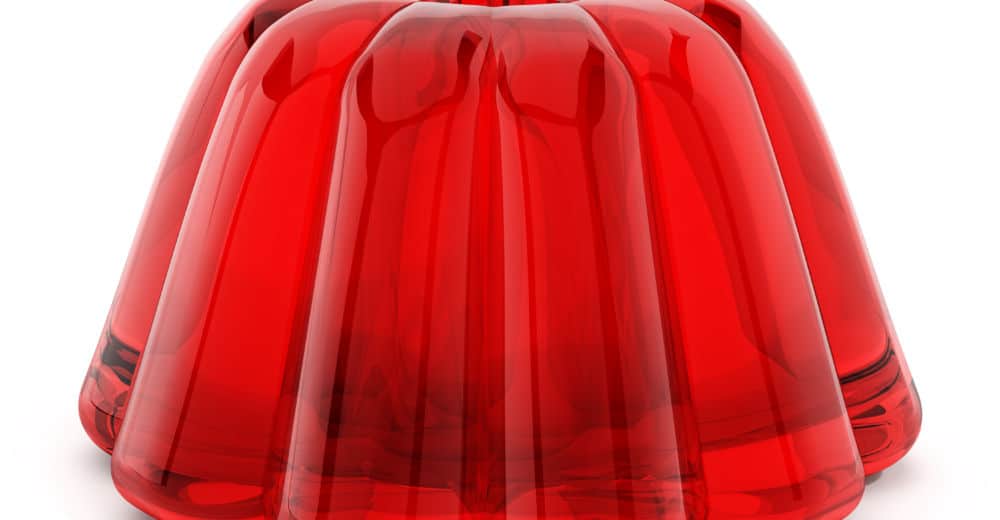
I was recently asked by Grazia magazine for my thoughts about gels which are popping up all over the beauty aisles. To see what all the fuss is about and understand the benefits better, have a read below. Why are we seeing a move away from creams to gels? Gels contain a higher ratio of water to oil than creams or lotions so are perfect for adding moisture to the skin without making it greasy or sticky. Do they help deliver ingredients better or are they just a gimmick? Gels are lighter weight and absorbed more quickly than creams so are great for layering with other products, especially if you’re pushed for time. Are they more suitable for one skin type or do they suit all? Gels are suitable for all skin types, but the fact that they are non-oily means that they are particularly good for hydrating skin that is prone to breakouts or excess shine without aggravating these problems. Certain gels may not provide sufficient hydration for extremely dry skin types, but the addition of ingredients such as hyaluronic acid can overcome this. What products do they work especially well with – can you ditch serums/oils etc? Gels don’t necessarily replace oils or serums; they just provide a different method of delivering ingredients into the skin, whether it be an antioxidant, a moisturising agent or any other skincare active. For example, I have combination skin and tend to develop a bit of shine in my T-zone by the end of the day. To combat this, I use a lightweight vitamin C antioxidant gel on my nose and forehead in the morning and a serum version from the same brand on the rest of my face where the skin is drier. A lot of the jelly formulas contain things like hyaluronic acid – is the weighting more compatible to these formulas? Or are there any ingredients in particular that work better in gels than creams and why? Jelly formulas are designed to be plumping, smoothing and hydrating. Hyaluronic acid is a really powerful humectant, meaning it can hold up to 1000 times it’s weight in water molecules, so is the perfect ingredient in a gel to help deliver these goals. What other textures do you think we’ll start to see trending? We’ve seen creams, lotions, sprays, serums and gels so maybe foams or mousses are next. © 2018 Dr Justine Kluk. Any redistribution or reproduction of part or all of the contents of this post in any form is prohibited. You may not, except with our express written permission, copy, distribute or commercially exploit the content. Nor may you transmit it or store it in any other website or other form of electronic retrieval system.
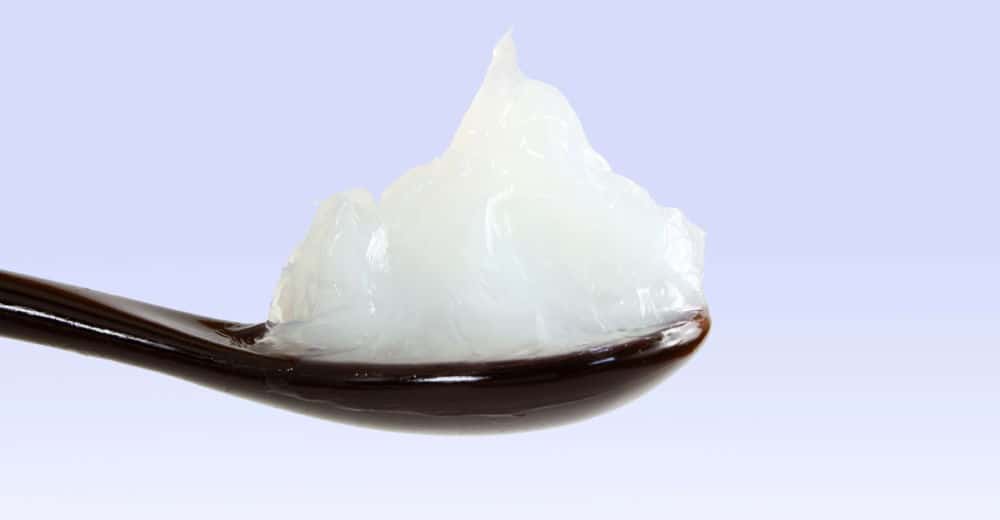
Slathering your skin in petroleum jelly before bed is all the rage in Korean beauty circles. But is it any good for your complexion? Jacqueline Kilikita from Stylist magazine investigates. To read my comments on this craze and for some more evidence-based skincare solutions that won’t leave you with a face full of pimples and blackheads, click here. © 2018 Dr Justine Kluk. Any redistribution or reproduction of part or all of the contents of this post in any form is prohibited. You may not, except with our express written permission, copy, distribute or commercially exploit the content. Nor may you transmit it or store it in any other website or other form of electronic retrieval system.
When it comes to finding a wonder treatment for a smoother, softer and more radiant complexion, there’s no shortage in “out there” options. But how far would you go in a bid to improve your skin? And could you actually make things worse for yourself with blackheads and breakouts? Women’s Health investigates slugging, the latest trend to join the crowds and, far from using slugs, all it requires is a household staple – Vaseline. To read my comments in Emma Pritchard’s article, click here © 2018 Dr Justine Kluk. Any redistribution or reproduction of part or all of the contents of this post in any form is prohibited. You may not, except with our express written permission, copy, distribute or commercially exploit the content. Nor may you transmit it or store it in any other website or other form of electronic retrieval system.
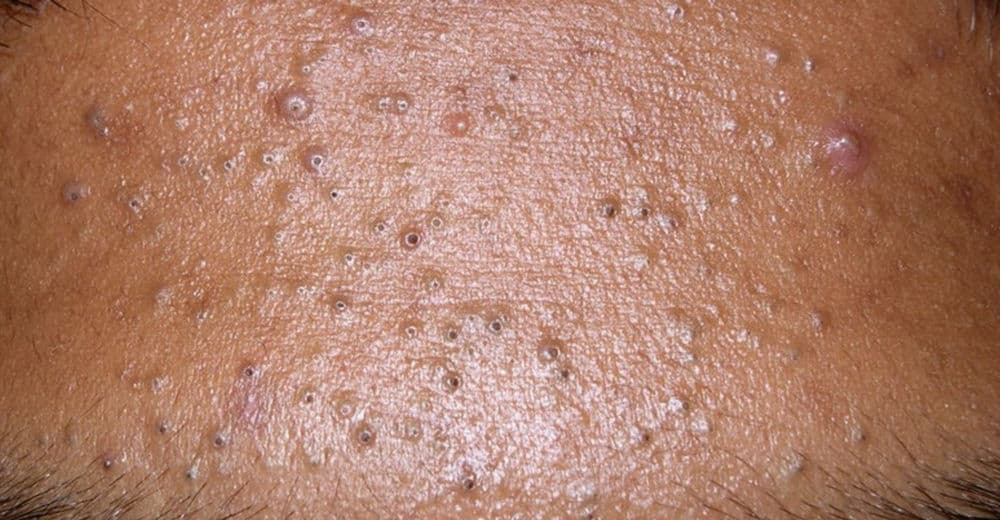
Blackheads are a mix of oil and dead skin cells sitting in the pores. Exposure to air causes them to oxidise and turn black giving them their characteristic appearance. They start to appear in puberty around the same time that sebum production increases and one of the most common complaints I hear from teenage patients is that they are self conscious about visible pores or blackheads, especially on the nose. Establishing a skincare routine and teaching teens how to look after their skin is important, both for skin health and for self-esteem. I usually suggest the following tips for those who want to try something over the counter before seeing a doctor: 1. Wash your face morning and evening with a mild cleanser, such as Cetaphil Gentle Skin Cleanser. For those with very oily skin, foaming cleansers like Bioderma Sebium Purifying Cleansing Gel or salicylic acid-containing cleansers like Garnier Pure Active Intensive Anti-Blackhead Charcoal Gel Wash and Neutrogena Visibly Clear Spot Clearing Facial Wash can be used in the morning instead. 2. Blackheads and acne are not because you are dirty so scrubbing too hard, or using harsh exfoliators, is not particularly helpful and may actually increase inflammation. 3. Apply a sun protection moisturiser after cleansing in the morning. Acne blemishes can leave dark marks on the skin if not properly protected from the UV rays in sunlight. Choose a broad spectrum product with SPF30 or higher e.g. La Roche-Posay Anthelios or Garnier Ambre Solaire. Always check the label for the words “non-comedogenic” which means the product won’t block the pores. 4. There are some really good products for concealing acne blemishes and improving self-consciousness e.g. Vichy Dermablend Corrector Stick. Mineral make-up containing zinc oxide or titanium dioxide is great for absorbing excess oil and camouflaging redness. I like the range from Bare Minerals. 5. In the evenings, a targeted bacteria-zapping gel like benzoyl peroxide e.g. Acnecide or a pore unblocking agent containing salicylic acid e.g. La Roche-Posay Effaclar Duo can be applied to affected areas after cleansing. 6. Follow with a light moisturiser, such as La Roche-Posay Toleriane Fluide or Effaclar H. Moisturiser makes it easier to tolerate the treatment creams in the previous step which may otherwise cause dryness and peeling. Again, make sure that moisturisers or any other leave-on products are labelled non-comedogenic. 7. Wash your hair regularly and tie it back away from your face. Greasy hair, or application of hair serums and gels, can cause breakouts on the forehead. Wearing a headband or hat should also be avoided if you are prone to spots around your hairline or on your forehead. 8. Remove sweaty clothes as soon as possible after sport or exercise and cleanse your skin thoroughly. If sweat remains on the skin for prolonged periods, acne-causing bacteria will thrive. 9. For boys who are starting to shave, be careful to avoid nicking any existing spots. Clean the blade regularly, make sure it is sharp and shave in the direction of the hair growth. 10. Try to break the habit of touching your face and, whatever you do, do not squeeze or pick your blackheads. This can introduce infection and may also lead to permanent scarring. Instead, try a pore cleansing face mask once or twice per week, such as Garnier Pure Active Intensive 3 in 1 charcoal mask or The Body Shop tea tree skin clearing clay mask. If this doesn’t help, you could have your blackheads professionally extracted by an experienced beauty therapist under strict hygienic conditions every month or two. 11. It might sound obvious, but change your sheets weekly. This is especially important for your pillowcase where grease can build up over time and rub off on your skin as you sleep. 85% of teenagers will experience some form of acne at one time or another and I try to reassure my patients that they are not alone. Nonetheless, it should not be considered a rite of passage that everyone has to go through regardless of the severity. If your teen has lots of red and inflamed bumps, dark marks or signs of scarring, or if their skin is starting to impact their self-esteem, I’d love to be able to help. To book an appointment, call my team on 0203 733 3225. © 2018 Dr Justine Kluk. Any redistribution or reproduction of part or all of the contents of this post in any form is prohibited. You may not, except with our express written permission, copy, distribute or commercially exploit the content. Nor may you transmit it or store it in any other website or other form of electronic retrieval system.
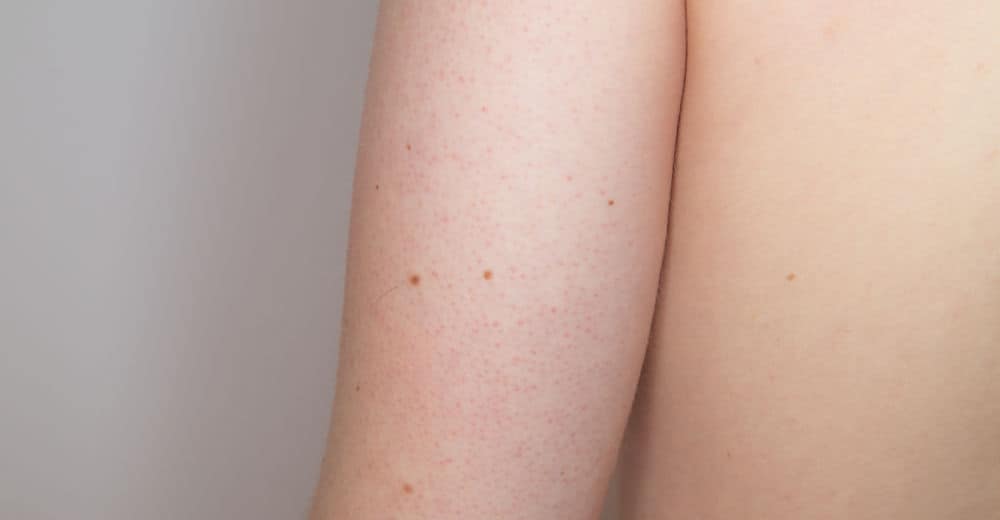
Keratosis Pilaris (KP) is a common inherited disorder of the skin affecting around 1 in 20 of us. It occurs due to an accumulation of keratin at the opening of the hair follicle, leading to stubborn, scaly plugs on the skin’s surface. These are often surrounded by a rim of redness giving a stippled or speckled appearance and may resemble goose bumps or “chicken skin”. KP usually becomes apparent during childhood and is most likely to affect the upper arms, front of the thighs and sides of the cheeks. The size of the bumps is said to increase and decrease over a period of months and can fluctuate in different hormonal states, such as pregnancy. Even without therapy, the condition tends to become less prominent with age, although this is not always the case. In light of the genetic predisposition there is unfortunately no cure for KP, however there are a few things sufferers can do to improve how it looks and feels. 1. Avoid harsh soaps and cleansers which may dry the skin out contributing to a feeling of roughness. 2. Body washes containing glycolic or salicylic acid can help smooth the skin and the addition of gentle massage with a polyester sponge or body polish a couple of times a week in the bath or shower has been shown in dermatological studies to improve results. Vigorous scouring, however, is likely to cause irritation and should be discouraged. 3. After bathing, a moisturising cream or lotion should be applied to damp skin in a downward direction, that is in the same direction as the hair growth. 4. Glycolic acid, ammonium lactate, salicylic acid and urea containing “humectants” are preferable to simple moisturisers for their added keratolytic effects, meaning they can help excess dissolve keratin. 5. If symptoms persist despite this, a Dermatologist may prescribe a retinoid cream to help smooth the skin or a short burst of steroid cream if the bumps are particularly red, itchy and inflamed. 6. Persistent skin discolouration, redness or pigmentation caused by KP have been treated with skin lightening agents and lasers with varying degrees of success. For moisturisers, I love Ameliorate Transforming Body Lotion with lactic acid, Eucerin Intensive 10% Urea Treatment Lotion with urea or Neostrata Ultra Smoothing Lotion or Lotion Plus with gycolic acid. For the shower, I like Jan Marini Bioglycolic Resurfacing Body scrub and/ or Ameliorate Exfoliating Body Mitt to be used once or twice per week. © 2018 Dr Justine Kluk. Any redistribution or reproduction of part or all of the contents of this post in any form is prohibited. You may not, except with our express written permission, copy, distribute or commercially exploit the content. Nor may you transmit it or store it in any other website or other form of electronic retrieval system.
Keratosis Pilaris, sometimes unflatteringly referred to as “chicken skin”, is a stubborn skin condition that causes pesky, dry, rough, red bumps to appear on the upper arms. If you have KP, you’re not alone as 1 in 20 of us will be affected at some point and it can be difficult to get on top of. Jacqueline Kilikita of Elle magazine recently asked me for the lowdown. To read the tips I shared with her, click here © 2018 Dr Justine Kluk. Any redistribution or reproduction of part or all of the contents of this post in any form is prohibited. You may not, except with our express written permission, copy, distribute or commercially exploit the content. Nor may you transmit it or store it in any other website or other form of electronic retrieval system.
A common concern for my patients is dehydrated skin due to changing weather and loss of humidity. Here are 5 tips to ensure you bathe the right way and prevent your skin from drying out. 1. Shut the door: Keeping the bathroom door closed increases humidity in the air, which will help prevent skin drying out. 2. Get out after 5 minutes: Soaking for more than five or 10 minutes on a regular basis can irritate and dry out skin, especially if you have eczema. 3. Warm water is best: Hot water can exacerbate itching, so if you have dry or irritable skin, a lukewarm temperature is ideal. 4. Use a gentle body wash: Products that bubble or foam can strip moisture from your skin and may increase dryness. Emollient soap substitutes are particularly good if your skin is itchy, flaky or irritable. 5. Moisturise: Apply plenty moisturiser to your skin straight after your bath or shower to increase absorption. For your face, use a product with hyaluronic acid as the key ingredient as it has the capacity to attract and hold up to a thousand times its weight in water molecules giving the skin a smooth, plumped appearance. © 2018 Dr Justine Kluk. Any redistribution or reproduction of part or all of the contents of this post in any form is prohibited. You may not, except with our express written permission, copy, distribute or commercially exploit the content. Nor may you transmit it or store it in any other website or other form of electronic retrieval system.
How do you prepare for another crazy Monday? For me, it’s doing some exercise, good food (and wine) and enjoying downtime with my family and friends. I like the idea of a long soak in the bath on a Sunday evening, but the truth is that my skin gets very dry if I spend too long in the bath or shower so I have to limit these sadly, something I talked to Boots Health and Beauty magazine about recently. Having fingers like prunes is another reason to hop out pretty sharpish and, truth be told, I’m actually not very good at sitting still for longer than 5 minutes. Read the article featuring me here © 2018 Dr Justine Kluk. Any redistribution or reproduction of part or all of the contents of this post in any form is prohibited. You may not, except with our express written permission, copy, distribute or commercially exploit the content. Nor may you transmit it or store it in any other website or other form of electronic retrieval system.
After a couple of long-haul flights, and with it feeling distinctly more autumnal, my skin is now taking the hit with dryness and peeling . So….I have started to adjust my skincare regime to winter mode. This is one of my saviours… @biodermauk Hydrabio solution micellaire. A few drops of this lovely stuff soaked into a cotton pad and gently wiped across my face and neck removes all traces of make-up and leaves my skin squeaky clean without that miserable feeling of dehydration and tightness. You may be more familiar with it’s more famous sister Sensibio solution micellaire (for sensitive skin types), which I also love. This week I will be sharing my personal favourite post-summer skincare products so keep an eye out!! Day 2 of my winter skincare saviours. I LOVE Aveeno cream. Love it, love it, love it. I apply this generously all over my body after the shower and it leaves my skin feeling super soft and silky. Soaks in beautifully so no problems with sticky residue on clothes or keyboards. Day 3 winter skincare saviour. Nipple balm, you may ask??!! This little beauty works wonders for dry, cracked lips. Pop it in your handbag and dab on frequently and liberally for soft kissable lips. Day 4 of my winter skincare saviours. Do you suffer with small rough bumps on your upper outer arms? The so-called “chicken skin” appearance is due to a common inherited skin complaint called Keratosis Pilaris. My sisters and I are all prone to this, and mine tends to be more bothersome at this time of year when my skin is generally drier. I cannot recommend@ameliorate_skincare Skin Smoothing Body Lotion enough. I apply it to my arms and any other particularly dry or rough patches and have always been pleased with the outcome after a few days of use. It works best in combination with regular gentle exfoliation and I use a Buf Puf in the shower for this. Alternatives are Eucerin body lotion and Neostrata Ultra Smoothing Lotion. Ameliorate also have a fab body polish (seen above), mitt and shower cream in the range, but I will give you some tips on my favourite body washes and skin exfoliation techniques later. Day 5 winter skincare saviour. This little beauty @flexitol_@flexitolireland is the antidote to hard cracked heels caused by months of sandal wearing. The best way to use it? Apply a thick layer to affected areas at night (ideally after a bath or shower so the skin is softer) and massage firmly for a couple of minutes. To stop the product from sticking to your bed sheets, and to increase penetration of the balm, wear a pair of cotton socks overnight. It works pretty quickly so you can usually see an improvement after a week or so, but I would suggest maintaining results by continuing to use it a couple of times a week throughout winter. Sandal-ready feet by Spring!! Day 6 of my winter skincare saviours is Cetaphil Gentle Skin Cleanser by Galderma. Available at most chemists including @bootsuk. I have used this simple cleanser for many years as it helped my skin tolerate the drying effects of multiple acne treatments through my teens and twenties. These days, some of the creams I use to prevent premature skin ageing cause dryness (and a bit of redness and peeling on occasion) so I am grateful for this stalwart which is also perfect for dry winter skin. Apply morning and evening to a wet face, massage gently for a minute or so, rinse off and dab dry. Follow with a micellar water such as the @biodermauk products I suggested on Day 1. And voila…clean skin, less dryness and irritation. Day 7 of my winter skincare saviours…shower gels. I told you guys about Aveeno cream on Day 2. Well, I have been an unwavering fan of their body wash for years and it is one of my most frequently recommended skincare products. Just love it. One of my patients recently told me about these two beauties from @biodermauk so I’ve been trying them out. Both are soap-free cleansers so ideal for dry, taut, irritated skin which is often more pronounced in winter. The oil and the shower gel both have a very pleasant, but subtle fragrance and leave the skin feeling very comfortable after the shower. The shower gel is foaming for those who can’t get their heads around non-foaming skin cleansers! Very pleased I tried them and love how they look on my bathroom shelf…gorgeous packaging. © 2016 Dr Justine Kluk. Any redistribution or reproduction of part or all of the contents of this post in any form is prohibited. You may not, except with our express written permission, copy, distribute or commercially exploit the content. Nor may you transmit it or store it in any other website or other form of electronic retrieval system.
As you might expect, I am frequently asked for skincare product suggestions. Indeed this is part of the service I provide for new patients to the clinic when we are planning their skin treatment; incorporating a combination of prescriptions, procedures and skincare products to create a programme that will deliver the best outcomes. BBC News recently asked me to help break this down into my top skincare ingredients for those who are navigating the beauty aisles on their own and don’t know where to start (see my previous blog post BBC News August 2017 to view the clip). So here you go… these are my top ingredient suggestions for healthier, brighter and more youthful-looking skin. You definitely don’t need to go out and buy all of them at once. Start with one or two and add sequentially as needed, and as tolerated by your skin. 1. SPF (sun protection factor). Pick a broad spectrum UVA/ UVB sun protection product with SPF 30 or higher. These reduce the risks of skin cancer and premature skin ageing e.g. dark spots and wrinkle formation. 2. Antioxidants. Examples include vitamin C serums. These neutralise free radicals generated by UV rays and city pollution that degrade collagen leading to loss of firmness and elasticity. Vitamin C antioxidants can also help diminish the appearance of uneven skin tone. 3. Retinol and retinoids. These are vitamin A derivatives that boost collagen and promote cell renewal. When applied regularly to the skin, they improve skin texture and tone, tighten pores, reduce breakouts and minimises fine lines leading to smoother, firmer and brighter skin. They should be applied at night to reduce photosensitivity (sensitivity to the sun) and need to be introduced gradually to reduce side effects e.g. dryness, tightness, peeling or irritation. A pea-sized quantity is sufficient for the face. Add more if you are treating your neck and decollete too. 4. AHAs (alpha hydroxyacids). These prevent the build-up of dead skin cells (essentially providing chemical exfoliation) which increases radiance and gives a brighter, more even skin tone. They can also reduce oiliness and decongest the skin so are great for controlling excess shine and preventing breakouts. 5. Peptides e.g. matrixyl. These stimulate new collagen synthesis (collagen production falls by 1% every year after the age of 25!). A great ingredient to look for in eye creams instead of retinol if not tolerated in the delicate eye area. 6. Hyaluronic acid. This is a powerful humectant, meaning it is capable of holding up to 1000 times it’s weight in water molecules so great for plumping dry, coarse, crepey skin. Given its soothing and hydrating abilities, it may also improve tolerability of ingredients like retinol or AHAs which can cause dryness and peeling when first introduced. A great ingredient to look for in your night cream. Make sure your products are working for you. Try a little exercise for me…next time you’re heading for the till in a beauty store, check the package label and see if you can identify any of the ingredients listed above. © 2017 Dr Justine Kluk. Any redistribution or reproduction of part or all of the contents of this post in any form is prohibited. You may not, except with our express written permission, copy, distribute or commercially exploit the content. Nor may you transmit it or store it in any other website or other form of electronic retrieval system.
Victoria Hall writes about the best lightweight moisturisers to save your face this autumn with tips from me http://www.telegraph.co.uk/beauty/skin/the-best-lightweight-moisturisers-to-save-your-face-this-autumn/ © 2016 Dr Justine Kluk. Any redistribution or reproduction of part or all of the contents of this post in any form is prohibited. You may not, except with our express written permission, copy, distribute or commercially exploit the content. Nor may you transmit it or store it in any other website or other form of electronic retrieval system.
Book an appointment with our Consultant Dermatologists to review your acne history and all the treatment options.
Book now