Slugging
Dr Justine Kluk · 31/03/2018
When it comes to finding a wonder treatment for a smoother, softer and more radiant complexion, there’s no shortage in “out there” options. But how far would you go in a bid to improve your skin? And could you actually make things worse for yourself with blackheads and breakouts? Women’s Health investigates slugging, the latest trend to join the crowds and, far from using slugs, all it requires is a household staple – Vaseline. To read my comments in Emma Pritchard’s article, click here © 2018 Dr Justine Kluk. Any redistribution or reproduction of part or all of the contents of this post in any form is prohibited. You may not, except with our express written permission, copy, distribute or commercially exploit the content. Nor may you transmit it or store it in any other website or other form of electronic retrieval system.
![]()
Dr Justine Kluk · 31/03/2018
How to survive teenage skin
Dr Justine Kluk · 15/03/2018
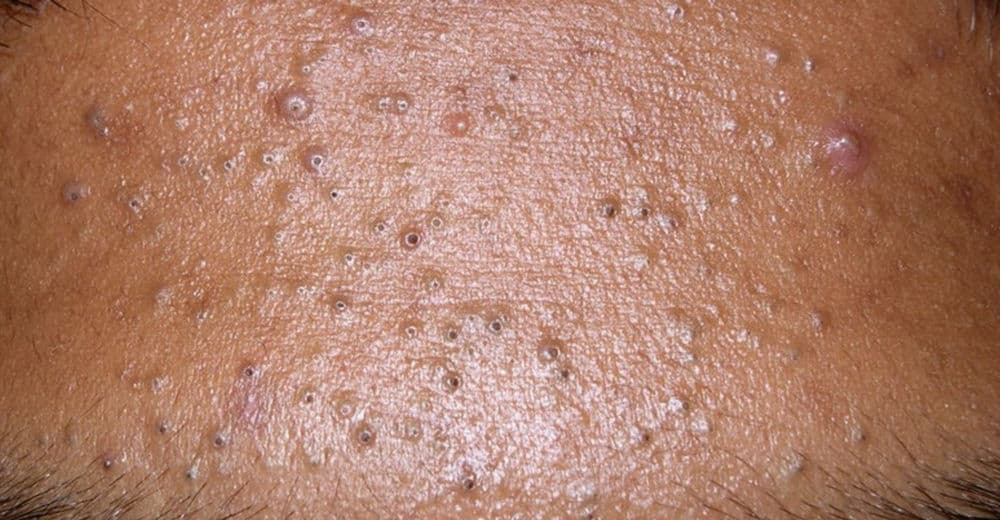
Blackheads are a mix of oil and dead skin cells sitting in the pores. Exposure to air causes them to oxidise and turn black giving them their characteristic appearance. They start to appear in puberty around the same time that sebum production increases and one of the most common complaints I hear from teenage patients is that they are self conscious about visible pores or blackheads, especially on the nose. Establishing a skincare routine and teaching teens how to look after their skin is important, both for skin health and for self-esteem. I usually suggest the following tips for those who want to try something over the counter before seeing a doctor: 1. Wash your face morning and evening with a mild cleanser, such as Cetaphil Gentle Skin Cleanser. For those with very oily skin, foaming cleansers like Bioderma Sebium Purifying Cleansing Gel or salicylic acid-containing cleansers like Garnier Pure Active Intensive Anti-Blackhead Charcoal Gel Wash and Neutrogena Visibly Clear Spot Clearing Facial Wash can be used in the morning instead. 2. Blackheads and acne are not because you are dirty so scrubbing too hard, or using harsh exfoliators, is not particularly helpful and may actually increase inflammation. 3. Apply a sun protection moisturiser after cleansing in the morning. Acne blemishes can leave dark marks on the skin if not properly protected from the UV rays in sunlight. Choose a broad spectrum product with SPF30 or higher e.g. La Roche-Posay Anthelios or Garnier Ambre Solaire. Always check the label for the words “non-comedogenic” which means the product won’t block the pores. 4. There are some really good products for concealing acne blemishes and improving self-consciousness e.g. Vichy Dermablend Corrector Stick. Mineral make-up containing zinc oxide or titanium dioxide is great for absorbing excess oil and camouflaging redness. I like the range from Bare Minerals. 5. In the evenings, a targeted bacteria-zapping gel like benzoyl peroxide e.g. Acnecide or a pore unblocking agent containing salicylic acid e.g. La Roche-Posay Effaclar Duo can be applied to affected areas after cleansing. 6. Follow with a light moisturiser, such as La Roche-Posay Toleriane Fluide or Effaclar H. Moisturiser makes it easier to tolerate the treatment creams in the previous step which may otherwise cause dryness and peeling. Again, make sure that moisturisers or any other leave-on products are labelled non-comedogenic. 7. Wash your hair regularly and tie it back away from your face. Greasy hair, or application of hair serums and gels, can cause breakouts on the forehead. Wearing a headband or hat should also be avoided if you are prone to spots around your hairline or on your forehead. 8. Remove sweaty clothes as soon as possible after sport or exercise and cleanse your skin thoroughly. If sweat remains on the skin for prolonged periods, acne-causing bacteria will thrive. 9. For boys who are starting to shave, be careful to avoid nicking any existing spots. Clean the blade regularly, make sure it is sharp and shave in the direction of the hair growth. 10. Try to break the habit of touching your face and, whatever you do, do not squeeze or pick your blackheads. This can introduce infection and may also lead to permanent scarring. Instead, try a pore cleansing face mask once or twice per week, such as Garnier Pure Active Intensive 3 in 1 charcoal mask or The Body Shop tea tree skin clearing clay mask. If this doesn’t help, you could have your blackheads professionally extracted by an experienced beauty therapist under strict hygienic conditions every month or two. 11. It might sound obvious, but change your sheets weekly. This is especially important for your pillowcase where grease can build up over time and rub off on your skin as you sleep. 85% of teenagers will experience some form of acne at one time or another and I try to reassure my patients that they are not alone. Nonetheless, it should not be considered a rite of passage that everyone has to go through regardless of the severity. If your teen has lots of red and inflamed bumps, dark marks or signs of scarring, or if their skin is starting to impact their self-esteem, I’d love to be able to help. To book an appointment, call my team on 0203 733 3225. © 2018 Dr Justine Kluk. Any redistribution or reproduction of part or all of the contents of this post in any form is prohibited. You may not, except with our express written permission, copy, distribute or commercially exploit the content. Nor may you transmit it or store it in any other website or other form of electronic retrieval system.
![]()
Dr Justine Kluk · 15/03/2018
Breakout breakthroughs – Stylist
Dr Justine Kluk · 28/02/2018
Adult acne is on the rise. As London’s go-to Consultant Dermatologist for acne and acne scarring, it was a pleasure to be interviewed for Lucy Partington’s awesome feature in this week’s Stylist about the latest breakout breakthroughs. Click here to read about the therapies, foods and products at the heart of research into combatting acne. © 2018 Dr Justine Kluk. Any redistribution or reproduction of part or all of the contents of this post in any form is prohibited. You may not, except with our express written permission, copy, distribute or commercially exploit the content. Nor may you transmit it or store it in any other website or other form of electronic retrieval system.
![]()
Dr Justine Kluk · 28/02/2018
What is chicken skin?
Dr Justine Kluk · 27/02/2018
Keratosis Pilaris (KP) is a common inherited disorder of the skin affecting around 1 in 20 of us. It occurs due to an accumulation of keratin at the opening of the hair follicle, leading to stubborn, scaly plugs on the skin’s surface. These are often surrounded by a rim of redness giving a stippled or speckled appearance and may resemble goose bumps or “chicken skin”. KP usually becomes apparent during childhood and is most likely to affect the upper arms, front of the thighs and sides of the cheeks. The size of the bumps is said to increase and decrease over a period of months and can fluctuate in different hormonal states, such as pregnancy. Even without therapy, the condition tends to become less prominent with age, although this is not always the case. In light of the genetic predisposition there is unfortunately no cure for KP, however there are a few things sufferers can do to improve how it looks and feels. 1. Avoid harsh soaps and cleansers which may dry the skin out contributing to a feeling of roughness. 2. Body washes containing glycolic or salicylic acid can help smooth the skin and the addition of gentle massage with a polyester sponge or body polish a couple of times a week in the bath or shower has been shown in dermatological studies to improve results. Vigorous scouring, however, is likely to cause irritation and should be discouraged. 3. After bathing, a moisturising cream or lotion should be applied to damp skin in a downward direction, that is in the same direction as the hair growth. 4. Glycolic acid, ammonium lactate, salicylic acid and urea containing “humectants” are preferable to simple moisturisers for their added keratolytic effects, meaning they can help excess dissolve keratin. 5. If symptoms persist despite this, a Dermatologist may prescribe a retinoid cream to help smooth the skin or a short burst of steroid cream if the bumps are particularly red, itchy and inflamed. 6. Persistent skin discolouration, redness or pigmentation caused by KP have been treated with skin lightening agents and lasers with varying degrees of success. For moisturisers, I love Ameliorate Transforming Body Lotion with lactic acid, Eucerin Intensive 10% Urea Treatment Lotion with urea or Neostrata Ultra Smoothing Lotion or Lotion Plus with gycolic acid. For the shower, I like Jan Marini Bioglycolic Resurfacing Body scrub and/ or Ameliorate Exfoliating Body Mitt to be used once or twice per week. © 2018 Dr Justine Kluk. Any redistribution or reproduction of part or all of the contents of this post in any form is prohibited. You may not, except with our express written permission, copy, distribute or commercially exploit the content. Nor may you transmit it or store it in any other website or other form of electronic retrieval system.
![]()
Dr Justine Kluk · 27/02/2018