Can I wear makeup when I fly?
Dr Justine Kluk · 23/02/2018
I was recently asked the following questions by beauty journalist Jacqueline Kilikita for an article she was writing for Refinery29. You can read my answers here in full. What happens to our skin in the air? The aircraft cabin is unlike most other indoor environments with exposure to low pressure, reduced available oxygen, noise, vibration and disruption to our sleep cycles. Conditions are controlled to protect passengers and crew from most of this harsh environment and their effects are negligible on short-haul flights. Low humidity levels in the cabin over long distances, however, can lead to a decrease in hydration of the outer layer of our skin which probably accounts for the dryness and discomfort experienced by many travellers. This may manifest with a sensation of tightness and some people experience peeling of the skin, dry eyes and chapped lips. Can wearing makeup on a plane cause longterm damage to my skin? Frequent air travel may mean regular disruption to your normal skincare routine, disturbed sleep and increased exposure to ultraviolet radiation which could in theory impact your skin health if repeated over many years. I wouldn’t, however, expect that wearing makeup on a plane should increase the risk of long-term skin damage such as wrinkles providing attention is paid to good skincare practices e.g. following a routine, covering up in the sun and avoiding cigarette smoke the rest of the time. Why do so many of us get breakouts after flying? Much like Dermatologists advise taking off your makeup before you go to bed, the obvious reason for getting spots after flying is failure to remove makeup thoroughly and to cleanse your skin on board so that grease, dirt and dead skin cells can build up and block your pores. I expect this is also more of an issue for long-haul travel than for shorter flights. It may not be as simple as this though. Passengers are not only exposed to the physical stress of flight, but also to social and emotional stress before departure e.g. hurried last-minute packing, rising earlier than usual to get to the airport. The combination of these factors along with the disruption to your normal skincare routine may lower your threshold for breaking out. If we can’t bear to go without makeup, which types should we be choosing for flying? If you can’t bear to board the flight without makeup, I would use a non-comedogenic tinted moisturiser and concealer as a base and then mineral makeup for anything else. Tinted moisturisers and BB creams should make dry cabin conditions more comfortable and if there is a chance that you won’t be removing your makeup, non-comedogenic formulations and mineral makeup are less likely to clog your pores. My top picks for these are Bare Minerals Bareskin complete coverage concealer and Original SPF15 Foundation or Perricone MD No Foundation foundation. I would, however, suggest taking some cotton pads and decanting your favourite micellar water into a small travel-size bottle for removing makeup before you sleep. Follow with a hyaluronic-acid based moisturiser for extra comfort and hydration and don’t forget plenty of lip balm to prevent chapped lips. I love Garnier micellar cleansing water for sensitive skin or Bioderma Sensibio micellar H20 for makeup removal, Filorga Nutri-filler Lips or La Roche Posay Cicaplast Lips as lip balm and Skinceuticals HA Intensifier for a moisture surge. © 2018 Dr Justine Kluk. Any redistribution or reproduction of part or all of the contents of this post in any form is prohibited. You may not, except with our express written permission, copy, distribute or commercially exploit the content. Nor may you transmit it or store it in any other website or other form of electronic retrieval system.
![]()
Dr Justine Kluk · 23/02/2018
Keratosis pilaris – Elle
Dr Justine Kluk · 21/02/2018
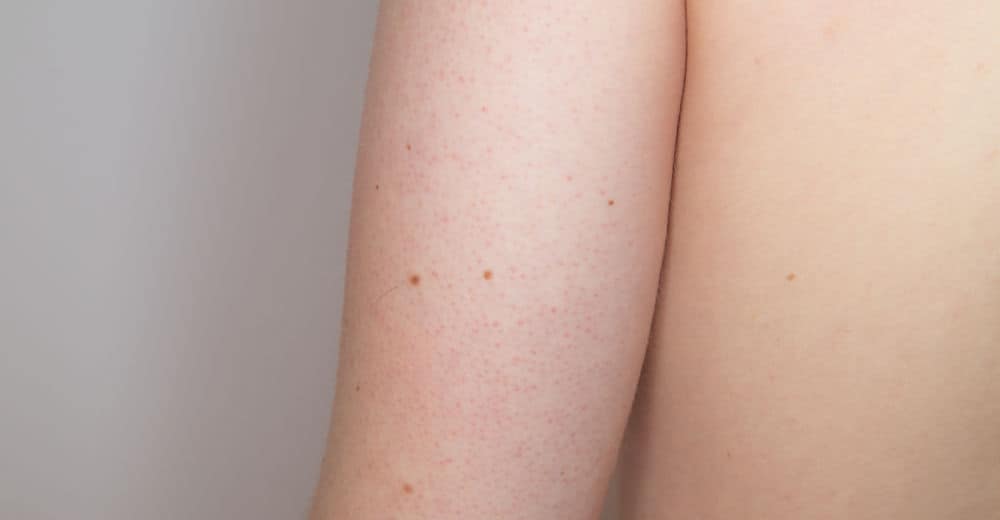
Keratosis Pilaris, sometimes unflatteringly referred to as “chicken skin”, is a stubborn skin condition that causes pesky, dry, rough, red bumps to appear on the upper arms. If you have KP, you’re not alone as 1 in 20 of us will be affected at some point and it can be difficult to get on top of. Jacqueline Kilikita of Elle magazine recently asked me for the lowdown. To read the tips I shared with her, click here © 2018 Dr Justine Kluk. Any redistribution or reproduction of part or all of the contents of this post in any form is prohibited. You may not, except with our express written permission, copy, distribute or commercially exploit the content. Nor may you transmit it or store it in any other website or other form of electronic retrieval system.
![]()
Dr Justine Kluk · 21/02/2018
What is the role of diet in acne?
Dr Justine Kluk · 21/12/2017
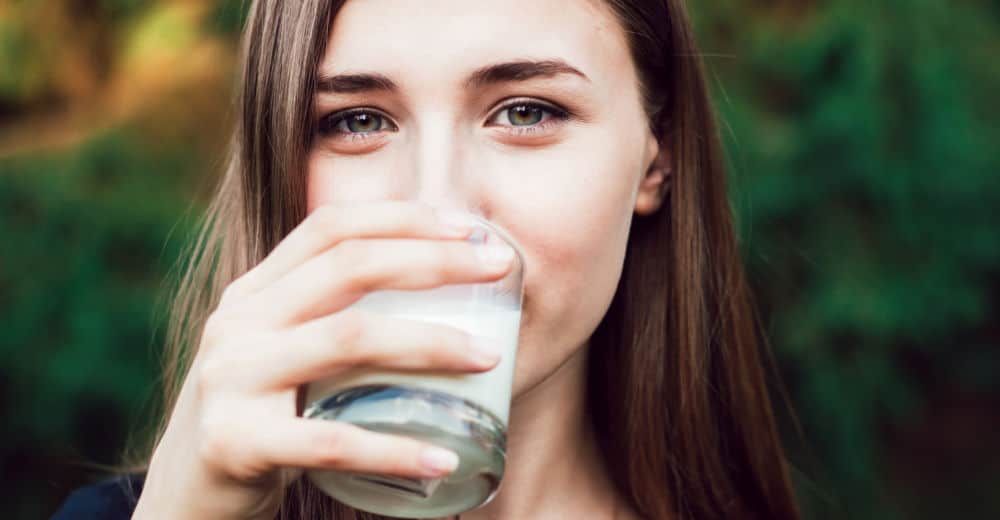
A question that I get asked a lot by patients who have come to see me in the clinic for acne treatment is whether food may be contributing to their breakouts. This is hardly surprising as I can remember being told very clearly when I was a teenager that my spots were caused by eating chocolate. These days, speculation about what we should be eating to lose weight, be healthier and live longer is as hot a topic as ever. With this in mind, I thought it might be useful to put the record straight and share with you what the research shows about diet and acne. In guidelines published by the American Academy of Dermatology (AAD) in 2016 (1), the role of diet in adult and adolescent acne was investigated. To my count, 13 studies were identified by authors after searching the medical literature on the subject. Many of these studies were small in size so it is difficult to draw firm conclusions from them. All is not lost, however, because if multiple small studies show similar effects, it may be possible to identify trends that can be investigated in future to determine if there is a true association. 1. Glycaemic index Glycaemic index is a number. It gives you an idea about how fast your body converts the carbohydrates in a particular food into glucose (sugar). Some foods can make your blood sugar rise very fast. This is because refined sugars and bread, for example, are easier for your body to change into glucose than more slowly digested carbohydrates like vegetables and whole grains. The smaller the number, the lower the glycaemic index and the less impact the food has on your blood sugar. 23 Australian males aged 15-25 were observed over a 12 week period and 32 Koreans aged 20-27 were observed for a 10 week period (2,3). In both studies, subjects who were asked to follow a low glycaemic index diet showed a significant improvement in the severity of their acne at the end of the trial period compared to those who didn’t. Although these 2 studies are the most rigorous to date regarding the effects of glycaemic index on acne, a small number of other studies also supported this association. 2. Dairy Several studies were identified suggesting that dairy products may aggravate acne. 47355 adult women were asked to recall their high-school diet and whether they had been diagnosed with acne by a physician. In this particular study, acne was associated with higher quantities of milk intake, particularly skim milk (4). Because this study relied on memory, there were concerns about it’s accuracy. Further studies performed in a prospective manner have also suggested a link between milk consumption and acne, with the association most marked for skim milk, but the data is still pretty limited. 3. Miscellaneous Some small preliminary studies were found examining the role of antioxidants, probiotics and fish oil on acne, but the AAD comment that the existing evidence is not strong enough to support any recommendations regarding these dietary factors at this time. Bottom line The role of diet in acne remains an area of intense interest and there are still many unanswered questions. We know that acne has a strong genetic component, but it has also been proposed that the rise of adult acne in recent times may be linked to the modern Western diet as well as lifestyle factors, such as stress. Thankfully, further research is underway which will hopefully help us to answer these questions. For now, the American Academy of Dermatology concludes: – Current data is not strong enough to support specific dietary changes in the management of acne. – Emerging data suggests that high glycaemic index diets may be associated with acne. – Limited evidence suggests that some dairy, particularly skim milk, may influence acne. It is therefore important that you discuss these issues very carefully with a doctor knowledgeable about acne before eliminating entire groups of food from your diet as this may lead to nutritional deficiencies that can impact your broader health and wellbeing. A healthy, balanced diet remains the best recommendation at this time. If you are struggling with acne and would like non-judgmental advice and effective treatment, please contact my team to book an appointment as I would love to help. © 2018 Dr Justine Kluk. Any redistribution or reproduction of part or all of the contents of this post in any form is prohibited. You may not, except with our express written permission, copy, distribute or commercially exploit the content. Nor may you transmit it or store it in any other website or other form of electronic retrieval system. References: 1. Zeingein AL, Pathy AL, Schlosser BJ et al. Guidelines for the management of acne vulgaris. J Am Acad Dermatol 2016. 74(5):945-73.e33. 2. Smith RN, Mann NJ, Braue A et al. The effect of a high-protein, low glycemic-load diet versus a conventional, high glycemic-load diet on biochemical parameters associated with acne vulgaris: a randomized, investigator-masked, controlled trial. J Am Acad Dermatol. 2007;57:247-256. 3. Kwon HH, Yoon JY, Hong JS, Jung JY et al. Clinical and histological effect of a low glycaemic load diet in treatment of acne vulgaris in Korean patients: a randomized, controlled trial. Acta Derm Venereol. 2012;92:241-246. 4. Adebamowo CA, Spiegelman D, Danby FW et al. High school dietary dairy intake and teenage acne. J Am Acad Dermatol. 2005;52:207-214.
![]()
Dr Justine Kluk · 21/12/2017
Soak smartly
Dr Justine Kluk · 2/12/2017
A common concern for my patients is dehydrated skin due to changing weather and loss of humidity. Here are 5 tips to ensure you bathe the right way and prevent your skin from drying out. 1. Shut the door: Keeping the bathroom door closed increases humidity in the air, which will help prevent skin drying out. 2. Get out after 5 minutes: Soaking for more than five or 10 minutes on a regular basis can irritate and dry out skin, especially if you have eczema. 3. Warm water is best: Hot water can exacerbate itching, so if you have dry or irritable skin, a lukewarm temperature is ideal. 4. Use a gentle body wash: Products that bubble or foam can strip moisture from your skin and may increase dryness. Emollient soap substitutes are particularly good if your skin is itchy, flaky or irritable. 5. Moisturise: Apply plenty moisturiser to your skin straight after your bath or shower to increase absorption. For your face, use a product with hyaluronic acid as the key ingredient as it has the capacity to attract and hold up to a thousand times its weight in water molecules giving the skin a smooth, plumped appearance. © 2018 Dr Justine Kluk. Any redistribution or reproduction of part or all of the contents of this post in any form is prohibited. You may not, except with our express written permission, copy, distribute or commercially exploit the content. Nor may you transmit it or store it in any other website or other form of electronic retrieval system.
![]()
Dr Justine Kluk · 2/12/2017