Acne treatments – Elle
Dr Justine Kluk · 15/04/2018
Whether you’re dealing with blackheads, whiteheads or the cystic, under-the-skin kind, spots can be debilitating to live with. You don’t have to suffer though, because there is effective treatment. I was recently interviewed by Jacqueline Kilikita on behalf of Elle Magazine to help readers decode some of the different acne treatments available. In the spirit of sharing, I thought I’d post the full answers to her questions below as they may be useful to anybody considering treatment for breakouts. Remember, effective control of blemishes is not a one size fits all situation. If a treatment hasn’t worked for someone else you know, it doesn’t mean it won’t work for you – and vice versa. When I am making a treatment plan for a new patient with acne in my clinic, there are a number of factors I take into consideration before prescribing a certain medication. This includes the types of spots you have, where they are on the body, if you are developing scarring or discolouration and what treatments you may already have tried. Sometimes a combination of treatments may be needed if they haven’t worked alone. If you are suffering with acne and would like effective treatment and skincare advice from someone who understands how it feels from personal experience, I’d love to help you. Click on the pink Contact button at the bottom of this blog post to get in touch. Retinoid creams Topical retinoids are derived from vitamin A and work by unclogging pores. They are the treatment of choice for blackheads and closed comedones, the small, stubborn skin-coloured bumps that often appear on the forehead and sides of the cheeks or jawline. Topical retinoids also have direct anti-inflammatory effects and can be combined with other treatments, such as oral antibiotics, for treating more inflamed spots and maintaining results afterwards. Side effects include include redness, dryness, itching and stinging. A good Consultant Dermatologist will give you tips on how to introduce these and which skincare products to combine them with to improve tolerability. Increased sensitivity to the sun means that treatment is usually applied at night and using a non-comedogenic (non pore-blocking) SPF in the morning is strongly recommended. Benzoyl peroxide Benzoyl peroxide works by killing the bacteria that cause acne. It can be applied regularly to help control ongoing breakouts and on an ad hoc basis to reduce flare-ups. The main downside of benzoyl peroxide is that it can cause skin irritation, so you only need to apply a small amount to affected areas or redness and peeling are likely. It can also bleach your towels, clothing and bedsheets so be careful when and how you apply it and consider wearing an old T-shirt to bed if you are applying it to your back or chest. Antibiotic lotions or gels Topical antibiotics, such as erythromycin and clindamycin, are effective acne treatments but should not be used on their own wherever possible due to the risk of developing bacterial resistance. They can, however, be combined with benzoyl peroxide to reduce this risk and to improve results as they tackle bacteria in different ways. Isotretinoin (Roaccutane) Isotretinoin is an oral retinoid and the treatment of choice for severe or persistent acne associated with nodules or cysts, scarring or psychological distress and when other first-line treatments have failed. It works by suppressing sebaceous gland activity, helps us to shed our dead skin cells more effectively to prevent blocked pores and also reduces inflammation and the growth of P. acnes, the bacteria implicated in acne development. Isotretinoin is the most effective anti-acne treatment available, but does have some important side effects and may not be suitable for everyone. These include a high risk of birth defects, meaning that females must take careful steps to prevent pregnancy during treatment and close supervision by a Dermatologist experienced in prescribing the drug is mandatory. Dry, cracked lips are common, blood tests must be done to monitor cholesterol and liver function, alcohol intake should be restricted and prolonged sun exposure must be avoided as there is a higher risk of getting a sunburn. Spironolactone A medicine called spironolactone may also be helpful in some people by reducing the effects of testosterone on the skin. Prescription of this needs to be decided on as case by case basis by a Consultant Dermatologist, however, as it is licensed for the treatment of Polycystic Ovarian Syndrome (PCOS), not acne per se. Spironolactone is often taken alongside the contraceptive pill as it can disrupt your menstrual cycle and it cannot be taken if you are planning a pregnancy due to potential effects on the developing baby. At higher doses, spironolactone is used as a diuretic so needing to pee more frequently is also possible at lower doses. Spironolactone helps control spots in a third of people, reduces them in another third and has no effect on the final third. Light and laser treatments Although limited data has shown that laser or light treatments may improve acne in certain individuals, these are not recommended routinely as there is much less evidence of their benefits compared to prescription therapy when used for the wider population. © 2018 Dr Justine Kluk. Any redistribution or reproduction of part or all of the contents of this post in any form is prohibited. You may not, except with our express written permission, copy, distribute or commercially exploit the content. Nor may you transmit it or store it in any other website or other form of electronic retrieval system.
![]()
Dr Justine Kluk · 15/04/2018
Dr Justine in Women’s Health
Dr Justine Kluk · 14/05/2018
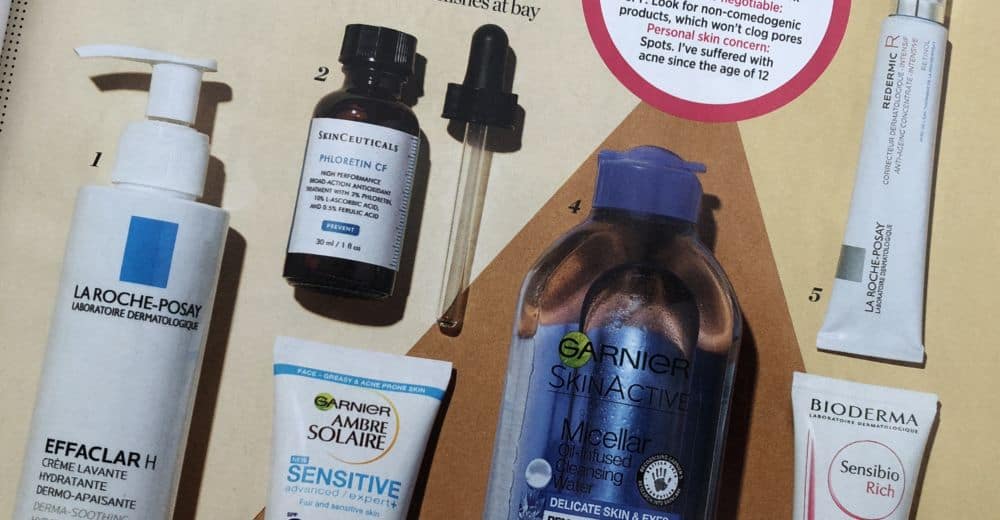
This month, I’m featured on the Skin Clinic page of Women’s Health sharing a bit about me, my typical day and some of the products I use personally to help keep my own blemishes at bay as London’s go-to acne and acne scarring expert. Read all the juicy details in the full interview below. Enjoy! 1. Name – Dr Justine Kluk 2. Age – 35 (I’ve actually turned 36 since these questions were answered!) 3. Profession – Consultant Dermatologist 4. Typical day I get up early as I like to fit in some exercise before heading to my clinic. I spin three mornings a week at a local studio called Spinnoff near my home in Hampstead. The class is pretty gruelling, but the music is invigorating and I always feel ready to face whatever the day has to throw at me afterwards. Once I’ve showered and changed, I grab a coffee and make my way to my private dermatology clinic in London’s Harley Street. There is no average day in the clinic! Every patient has their own unique story and my job is to ensure that I tailor the treatment and the skincare advice I give to their individual concerns in order to get the best results. Having said this, many patients who come to see me are looking for help with acne and acne scarring. These are my particular areas of expertise, and having suffered personally with persistent breakouts throughout most of my teens and twenties, they know they will find a sympathetic ear and someone who is really motivated to make things better for them from first-hand experience. After clinic, I might meet a friend or colleague for a drink nearby or spend a little time browsing the stores around Oxford Street. I always find myself drawn to the beautiful row of boutiques in St Christopher’s Place, just behind Selfridges, for a bit of window shopping. This is one of the real perks of working in central London as there is so much to do and see and I try my best to take full advantage of it all! 5. Skincare philosophy Keep it simple. Choose products with ingredients you recognise and know to be effective. Give new products time to work – don’t keep chopping and changing. Make sure that the products you pick are suited to your skin type. One size does not fit all. 6. Skincare non-negotiable SPF. It’s a no-brainer! As well as protecting you from skin cancer, wearing a sun protection moisturiser every morning, come rain or come shine, reduces your risk of dark spots, saggy skin, fine lines and wrinkles. There are lots and lots of really nice, cosmetically acceptable sunscreens available these days that don’t leave thick, sticky, white marks everywhere. If you look for the words “non comedogenic” on the package label, they shouldn’t clog your pores either. 7. Personal skincare concern Spots. I suffered with acne from the age of 12 or 13. Like many parents, mine thought I’d grow out of it by the time I reached my twenties. I didn’t and it made me feel totally miserable. It may sound dramatic, but when I did eventually get effective treatment, it was an absolute game-changer and this is the main reason I went to medical school and specialised in Dermatology. I wanted to make sure that no-one else had to feel the way I did when there is treatment that actually works. These days I get to help others with a similar story to me every day and it is so rewarding, both personally and professionally. 8. 3 products you use in the morning and why? In the morning, I splash some lukewarm water on my face then massage a gentle cleanser like La Roche Posay Effaclar H cleansing cream over my skin before rinsing and patting dry. This removes any grease or dirt and prepares my skin for the rest of my routine. Next up is my antioxidant serum. I love Skinceuticals Phloretin CF serum which contains 10% vitamin C. Antioxidants protect your skin from environmental damage like UV rays and city pollution by neutralising free radicals so are great as part of any anti-ageing skincare routine or if your goal is a brighter complexion. Finally, I apply a sun protection moisturiser. Because of my history of breakouts, I will only use a non-comedogenic product and I can highly recommend Garnier Ambre Solaire Sensitive Advanced anti-imperfection sun cream which also contains salicylic acid to help control blemishes. 9. 3 products you use in the evening and why? At night, I use micellar water to remove my makeup before cleansing. I also keep a bottle next to my bed along with some cotton pads in case I am ever tempted to skip my evening routine because I’ve had a late night. Garnier’s new oil-infused cornflower micellar water is a godsend for removing eye-makeup. I follow this with a retinol cream, such as Redermic R by La Roche Posay 3 nights per week. This helps with evening skin tone, preventing fine lines and tightening pores. If my spots have been problematic, I may use a prescription cream at this point instead. Finally, my skin has a tendency to get irritated if I overdo the retinol, particularly in autumn and winter when the air is much drier. I finish my evening routine by applying a soothing moisturiser such as Bioderma Sensibio Rich. By reinforcing the skin barrier, it helps reduce those tight, uncomfortable sensations and also calms redness. If you’re struggling with spots and would like me to help you get them under control, call my team to book an appointment on 02037333225. © 2018 Dr Justine Kluk. Any redistribution or reproduction of part or all of the contents of this post in any form is prohibited. You may not, except with our express written permission, copy, distribute or commercially exploit the content. Nor may you transmit it or store it in any other website or other form of
![]()
Dr Justine Kluk · 14/05/2018
SPF makeup – Get The Gloss
Dr Justine Kluk · 28/05/2018
Is SPF makeup really worth it? My opinion is that it boosts your base SPF rather than replacing it so should be considered a second line of defence. Read my comments for Get The Gloss this week by clicking here. © 2018 Dr Justine Kluk. Any redistribution or reproduction of part or all of the contents of this post in any form is prohibited. You may not, except with our express written permission, copy, distribute or commercially exploit the content. Nor may you transmit it or store it in any other website or other form of electronic retrieval system.
![]()
Dr Justine Kluk · 28/05/2018
How to use retinol
Dr Justine Kluk · 23/04/2018
Retinol and retinoids are both vitamin A derivatives. Retinol is an essential part of any anti-ageing skincare routine and retinoids are possibly the most critical topical therapy for acne because they reduce blockage of pores and also have direct anti-inflammatory effects. Although they are both very useful tools in the management of acne and skin ageing, the use of topical retinoids and retinol may be limited by side effects such as dryness, peeling, redness and irritation. They have also been associated with photosensitivity i.e. causing the skin to be more sensitive to the sun. These side effects can all be much easier to tolerate if the steps below are followed. 1. Use a gentle skin cleanser morning and evening. Apply to a wet face and rinse off with lukewarm water. Do not scrub vigorously. 2. Apply your retinoid or retinol cream at night before you go to bed. Do not apply it in the morning as it can make your skin more sensitive to the sun. Take precautions to avoid sunburn by applying a non-comedogenic, broad spectrum SPF 50 sun protection moisturiser in the morning before you put on your make-up. 3. Introduce the product gradually. Start off by applying it twice per week at night. It is normal to have a bit of redness or peeling after a few days. After a couple of weeks, increase application to alternate nights if tolerated. This can subsequently be increased to every night after a further two to four weeks if you are tolerating the treatment with minimal irritation. 4. If skin irritation is severe, stop the cream for a few days until it has settled before attempting to reintroduce it even more gradually. 5. Most people will eventually be able to apply their cream every night without any ongoing discomfort, however some will only ever manage alternate nights or twice per week at the most. Do what you can – some treatment once or twice a week is usually better than none at all! 6. Apply the cream (or gel) in a very thin layer to cover all of the areas that you want to reduce fine lines or tend to get the acne, not just onto individual spots. The quantity really doesn’t have to be particularly large as this will just increase irritation. 7. Avoid the area directly around your eyes as the skin is more sensitive. 8. If your skin is dry or irritated, you can apply a moisturiser at night by layering it on top of your retinoid or retinol cream. Ideally you should wait 15 minutes or so between these steps to prevent it being diluted by your moisturiser. Look for a moisturiser that is labelled non-comedogenic to prevent any pore-clogging. © 2018 Dr Justine Kluk. Any redistribution or reproduction of part or all of the contents of this post in any form is prohibited. You may not, except with our express written permission, copy, distribute or commercially exploit the content. Nor may you transmit it or store it in any other website or other form of electronic retrieval system.
![]()
Dr Justine Kluk · 23/04/2018