Gel moisturisers
Dr Justine Kluk · 7/04/2018
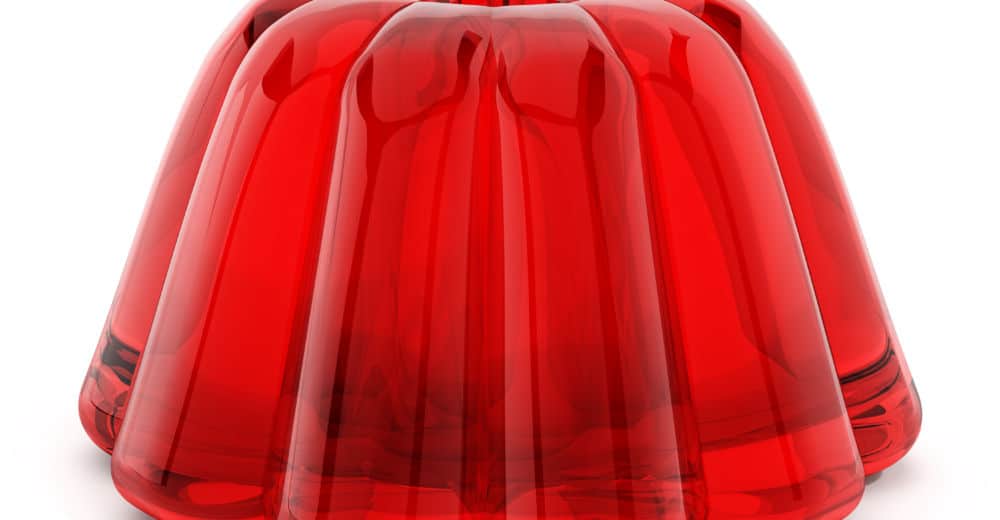
I was recently asked by Grazia magazine for my thoughts about gels which are popping up all over the beauty aisles. To see what all the fuss is about and understand the benefits better, have a read below. Why are we seeing a move away from creams to gels? Gels contain a higher ratio of water to oil than creams or lotions so are perfect for adding moisture to the skin without making it greasy or sticky. Do they help deliver ingredients better or are they just a gimmick? Gels are lighter weight and absorbed more quickly than creams so are great for layering with other products, especially if you’re pushed for time. Are they more suitable for one skin type or do they suit all? Gels are suitable for all skin types, but the fact that they are non-oily means that they are particularly good for hydrating skin that is prone to breakouts or excess shine without aggravating these problems. Certain gels may not provide sufficient hydration for extremely dry skin types, but the addition of ingredients such as hyaluronic acid can overcome this. What products do they work especially well with – can you ditch serums/oils etc? Gels don’t necessarily replace oils or serums; they just provide a different method of delivering ingredients into the skin, whether it be an antioxidant, a moisturising agent or any other skincare active. For example, I have combination skin and tend to develop a bit of shine in my T-zone by the end of the day. To combat this, I use a lightweight vitamin C antioxidant gel on my nose and forehead in the morning and a serum version from the same brand on the rest of my face where the skin is drier. A lot of the jelly formulas contain things like hyaluronic acid – is the weighting more compatible to these formulas? Or are there any ingredients in particular that work better in gels than creams and why? Jelly formulas are designed to be plumping, smoothing and hydrating. Hyaluronic acid is a really powerful humectant, meaning it can hold up to 1000 times it’s weight in water molecules, so is the perfect ingredient in a gel to help deliver these goals. What other textures do you think we’ll start to see trending? We’ve seen creams, lotions, sprays, serums and gels so maybe foams or mousses are next. © 2018 Dr Justine Kluk. Any redistribution or reproduction of part or all of the contents of this post in any form is prohibited. You may not, except with our express written permission, copy, distribute or commercially exploit the content. Nor may you transmit it or store it in any other website or other form of electronic retrieval system.
![]()
Dr Justine Kluk · 7/04/2018
What is rosacea?
Dr Justine Kluk · 5/04/2018
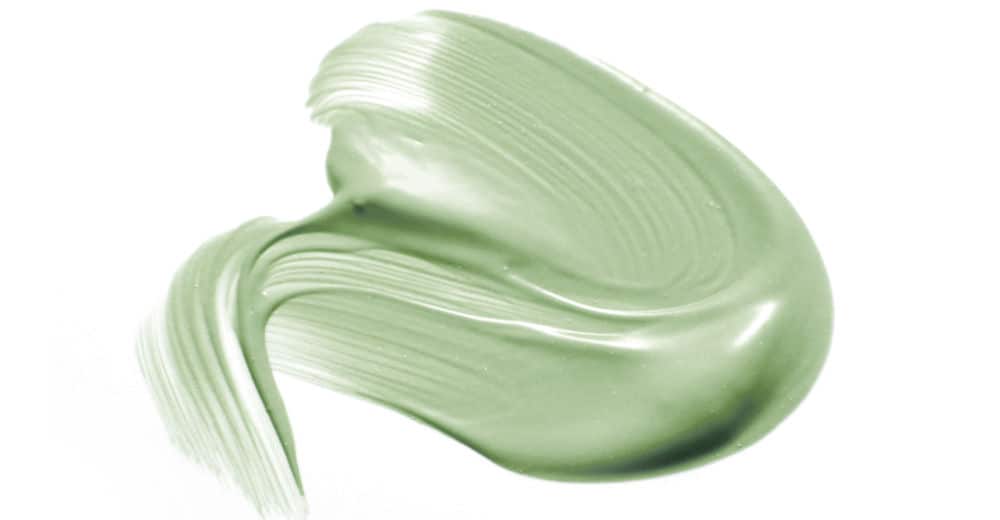
What is rosacea? Rosacea is a long term skin condition associated with facial redness and flushing. Although more than 5% of the population are affected, it is frequently misdiagnosed and under-treated as a result. It often appears in the thirties and is more prevalent in those with fair skin. There are a number of factors believed to contribute to the development of rosacea. These include genetics, blood vessel abnormalities, hormonal influences, microorganisms and diet. How might it affect me? Rosacea is so much more than just a red face. It often begins with a tendency to flush or blush more easily. With time, sufferers may develop permanent redness of the nose and cheeks along with a multitude of other unpleasant symptoms, such as pimples, skin dryness and scaling, burning and stinging, and sensitivity to multiple skin care products. Broadly speaking there are four different types of rosacea, but it is not uncommon for these to overlap in the same person. Erythemato-telangiectatic: Redness, flushing and dilated blood vessels. Papulopustular: Acne-like breakouts. Phymatous: Skin swelling and thickening e.g. of the nose (rhinophyma). Ocular: Gritty eyes and swollen lids. As rosacea is such a visible condition, people often describe feeling anxious or embarrassed about their appearance. This may lead to withdrawal from social situations, relationship issues and loss of self-esteem in the workplace. Some may even be too embarrassed to ask for help, or may have been turned away when seeking advice through the usual routes as the psychological impact is often underestimated. What are the treatments? At present there is no cure for rosacea, however there are a number of effective options that can help bring symptoms under control. The choice of treatment depends on the type of rosacea and, of course, patient preference. If flushing is your most troublesome symptom, oral medications otherwise used for anxiety or menopausal flushing e.g. beta-blockers or clonidine, may be recommended. Avoiding triggers is also crucial for this type of rosacea and self-help advice about this is given below. Redness and pimples may be reduced by creams or gels containing antibiotics or azelaic acid. Ivermectin cream is a newer addition to the range of topical agents for rosacea, as is brimonidine gel which improves redness by causing constriction of dilated blood vessels. If these measures do not provide sufficient relief, visible vessels can be targeted very effectively with vascular lasers. For more severe cases of rosacea, a course of oral antibiotics may be recommended to reduce breakouts, swelling and inflammation. Courses may be repeated from time to time for recurrent flares and control can be maintained with topical prescriptions in between times. A dermatologist-only medication, known as isotretinoin, may sometimes be prescribed for stubborn cases although this is an off-license use. When thickening of the skin occurs, Dermatologists or Plastic Surgeons may recommend a surgical procedure to remove excess tissue and create a more natural-looking shape. Is there anything I can do? Absolutely. The following self-help tips may help to reduce rosacea symptoms. 1. Identify and avoid triggers, such as: – exposure to sunlight – strong winds – stress – strenuous exercise – caffeine – alcohol – spicy food 2. Beware of false or inflated promises about skin care products and get testers or samples to try at home before committing to bulk purchases. 3. Keep it simple. Use a gentle cream or gel cleanser for washing your face. Massage it gently into your skin morning and night and rinse off with lukewarm water or wipe off with soft cotton pads if warm water makes you flush. 4. Find a broad spectrum SPF 50 sun-protection moisturiser and apply it every morning, 365 days a year. UV is one of the most common reasons for rosacea to flare, even in cloudy weather. 5. Apply a soothing anti-redness moisturiser before bed. 6. There are some excellent foundations and concealers that neutralise the redness of rosacea and can really boost skin confidence. Creams with a green pigment are particularly helpful. Charities such as Changing Faces in the United Kingdom can also provide advice on skin camouflage and put you in touch with others who are similarly affected. If you are struggling with symptoms like these and would like non-judgmental advice and reliable, effective treatment, come see me in the clinic to talk through the options. Call us on 02037333225 to book your appointment. © 2018 Dr Justine Kluk. Any redistribution or reproduction of part or all of the contents of this post in any form is prohibited. You may not, except with our express written permission, copy, distribute or commercially exploit the content. Nor may you transmit it or store it in any other website or other form of electronic retrieval system.
![]()
Dr Justine Kluk · 5/04/2018
Body acne – Glamour
Dr Justine Kluk · 3/05/2018
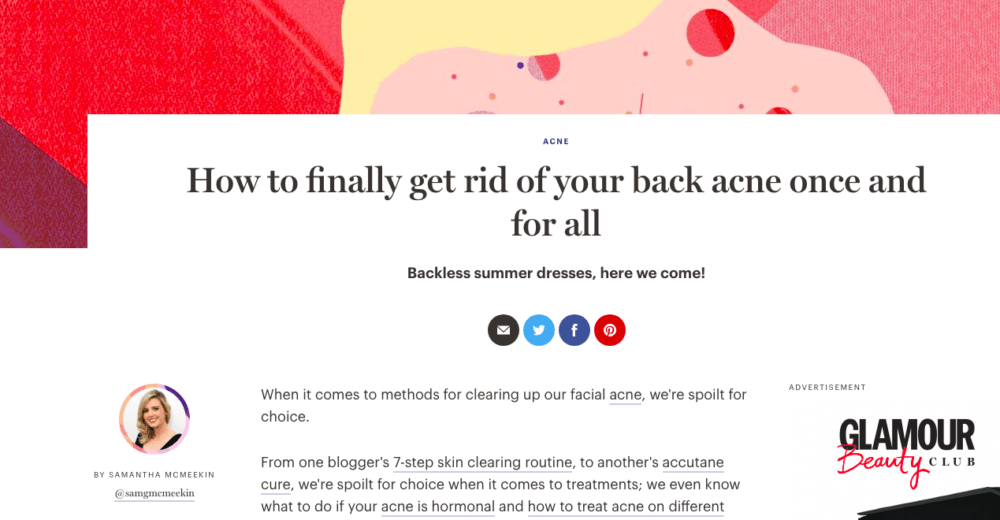
With sunny weather on the horizon for the upcoming bank holiday, off-the-shoulder tops and strappy dresses mean that it’s time to think about how to finally get rid of back acne or “bacne”. Some of my top pointers are listed below, but you can read my advice in Glamour by clicking here for the full article. 1. Shower every day. 2. Look for a shower gel or body wash containing the ingredients salicylic acid, glycolic acid or lactic acid and use an exfoliating scrub in the shower two or three days a week to prevent dead skin cells from building up and blocking your pores. 3. Apply a moisturiser to soothe and repair your skin barrier, but make sure that any products you leave on your skin are labelled ‘non-comedogenic’, meaning they won’t clog your pores. 4. Shower as soon as possible after exercise. Bacteria loves sweaty skin so it is important to remove your gym clothes as soon as possible, especially bra tops. 5. Wash bras after every wear. 6. Carry a spare T-shirt with you if you tend to sweat more in warmer weather. 7. Whatever you do, don’t pick, squeeze or scratch your spots. This increases inflammation and can lead to scarring. If you’ve tried all of these things and are still struggling to get on top of your breakouts or are aware of developing scars, come see me to discuss the prescription treatments that are available. © 2018 Dr Justine Kluk. Any redistribution or reproduction of part or all of the contents of this post in any form is prohibited. You may not, except with our express written permission, copy, distribute or commercially exploit the content. Nor may you transmit it or store it in any other website or other form of electronic retrieval system.
![]()
Dr Justine Kluk · 3/05/2018
Slugging – Stylist
Dr Justine Kluk · 4/02/2018
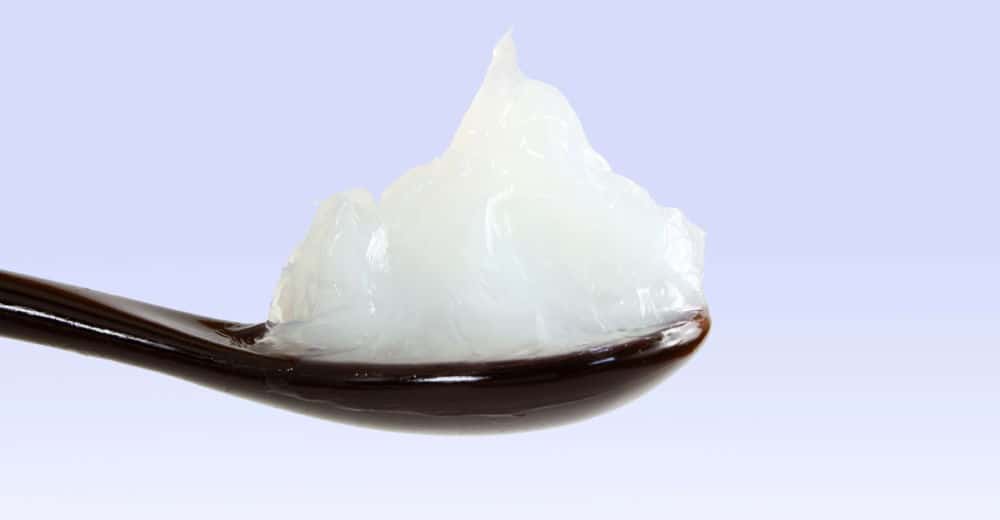
Slathering your skin in petroleum jelly before bed is all the rage in Korean beauty circles. But is it any good for your complexion? Jacqueline Kilikita from Stylist magazine investigates. To read my comments on this craze and for some more evidence-based skincare solutions that won’t leave you with a face full of pimples and blackheads, click here. © 2018 Dr Justine Kluk. Any redistribution or reproduction of part or all of the contents of this post in any form is prohibited. You may not, except with our express written permission, copy, distribute or commercially exploit the content. Nor may you transmit it or store it in any other website or other form of electronic retrieval system.
![]()
Dr Justine Kluk · 4/02/2018