Post-summer skin
Dr Justine Kluk · 22/09/2017
Your out-of-office notice has been turned off and summer seems to be drawing to an end. Whilst lazy sun-soaked days do wonders for the soul, they can be tough on your skin. If you’re guilty of having let your skincare regime take a backseat to ‘fun in the sun’, now is the time to decide what improvements you want to make to your skin over the winter and to give it the much-needed attention it’s been craving. Tip 1: Dark Spots It only takes a few days of lapsed sun protection to make freckles, facial pigmentation and age spots more noticeable. Antioxidants help neutralise ultraviolet (UV) damage caused by excess sun exposure. The most effective ones contain vitamin C, but all products are not created equal. SkinCeuticals Phloretin CF (oily or combination skin) and CE Ferulic (dry skin) are my all-time favourite antioxidant serums. Apply 4-5 drops to the face, neck and décolletage with your fingertips in the morning after cleansing and follow with an SPF 50 sun protection moisturiser. I love SunSense Daily Face SPF 50+. It has a universal tint to even out skin tone and acts as a primer for make-up. Apply a retinol cream before bed. As well as targeting dark spots, these products can also be used to freshen a dull complexion and soften fine lines. For over the counter options, my top picks are La Roche Posay Redermic R and SkinCeuticals Retinol 0.3. Fantastic in their own right, these products can also be used for a month or two before switching over to a prescription retinoid or hydroquinone-based skin lightening cream to improve tolerance in first-time users. Tip 2: Breakouts Whilst acne improves with sunshine in some cases, hot and humid weather is just as likely to cause breakouts in others. If you’re desperate to banish blemishes before winter, Image Clear Cell Clarifying Pads contain a combination of salicylic and glycolic acid to unblock pores and remove impurities and excess oil. Wipe these over the skin after exercise or on-the-go. Acne is an increasing issue in adult women. Research published by the American Academy of Dermatologists in February 2016 reveals that up to 12% of women continue to suffer with acne in their thirties, forties and even fifties. A dermatologist can talk you through the multitude of effective treatments for acne, so there is really no need to put up with breakouts, loss of self-esteem and the risk of permanent scarring. Tip 3: Rough Skin Sea water and swimming pools dry the skin out and can lead to flaking, itching and rough, raised bumps. Choose a nourishing body wash, such as Aveeno, and gently exfoliate any rough or scaly areas once or twice a week with a Buf Puf. Follow with Ameliorate Skin Smoothing Body Lotion or Neostrata Ultra Smoothing Lotion. These intensive treatment creams contain alpha hydroxy acids (AHAs) which slough away dead skin cells and boost cell renewal leaving you with silky skin. Tip 4: Cracked Heels After months of summer sandals, dry, cracked skin builds up on our soles and heels. Soften hard skin by applying a urea-based foot cream, such as Flexitol Heel Balm, before bedtime. Massage it firmly into the skin for a couple of minutes and cover with cotton socks to increase absorption. After a few days, the skin should start to soften and you can use a pumice stone to tackle more stubborn areas. Tip 5: Chapped Lips With the threat of cooler temperatures just around the corner, now is the time to sort out parched lips before they become even more vulnerable to cracking and splitting. Pop some Lansinoh HPA Lanolin Nipple Cream or Bioderma Atoderm lip balm in your handbag and apply frequently and liberally throughout the day to sore lips. Tip 6: Diet & Fitness It is worth giving some thought to your diet and fitness regime if you’ve let things slide over the summer. Get plenty of sleep and keep yourself hydrated. Healthy bodies mean glowing skin, greater confidence and an overall sense of contentment and wellbeing. When we look well, we feel well! © 2018 Dr Justine Kluk. Any redistribution or reproduction of part or all of the contents of this post in any form is prohibited. You may not, except with our express written permission, copy, distribute or commercially exploit the content. Nor may you transmit it or store it in any other website or other form of electronic retrieval system.
![]()
Dr Justine Kluk · 22/09/2017
What is acne?
Dr Justine Kluk · 10/12/2017
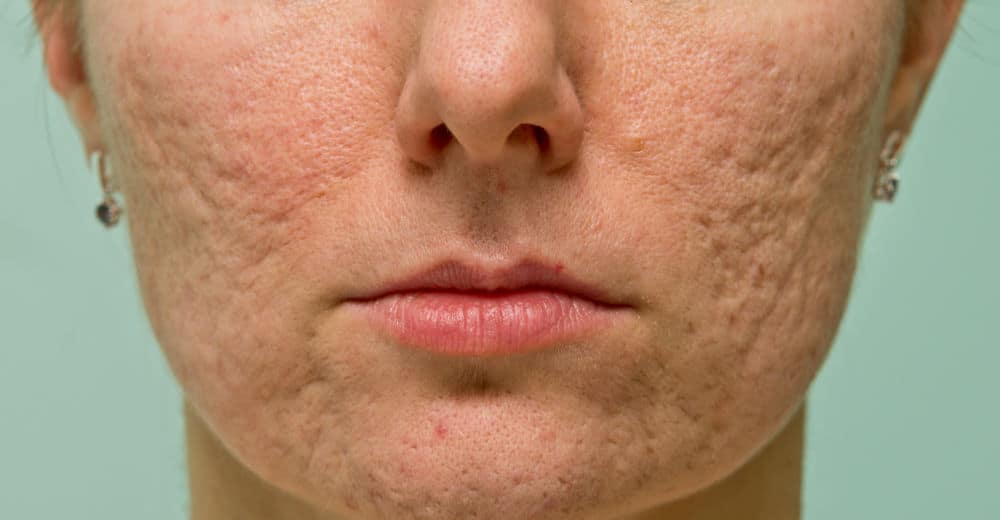
Acne is the medical term used to describe breakouts. For many of us, our first experience of the condition is during puberty when our bodies start to produce higher levels of the hormone testosterone. The sebaceous glands in our skin are very sensitive to even small changes in the level of testosterone and begin to step up production of sebum, the natural oil produced by our skin, as a result. This sebum mixes with dead skin cells and gets trapped in our pores creating an ideal environment for bacteria to thrive. These factors combine to cause inflammation in the skin leading to the development of acne. In its mildest form, acne is responsible for causing occasional spots or pimples. Whilst most of us can manage this at home by using appropriate store-bought products, some people develop a more severe form of the condition that doesn’t go away despite following a good skincare routine. Examples of this include breakouts occurring at multiple sites on the face and body or the appearance of deep, tender nodules and cysts that can lead to permanent scarring if not properly controlled (as shown in the photo above). In these situations, it is important to seek advice from a Dermatologist as prescription treatment is likely to be necessary. Expert help should also be sought if acne is causing loss of self-esteem, anxiety or feelings of embarrassment and social isolation. Whether you are designing a skincare routine at home or following a treatment plan from a Dermatologist, it is essential that the products you use are specifically intended for blemish- prone skin. Key ingredients to look out for include salicylic acid which stops the build up of dead skin cells and zinc, tea tree or witch hazel which are great for soothing inflammation so check for these on product labels. Using the wrong products, or indeed using too many products, can actually make the problem worse. Start by cleansing your face both morning and night. Acne can cause the skin to be red, bumpy and inflamed so a cleanser designed for sensitive skin is a good solution for this. Massage it gently into the skin before rinsing well with lukewarm water and use a soft cloth or flannel to pat dry. I’m not generally a big fan of toners, but for those with greasy skin a toner can be applied next. It is important to recognise that many acne treatments work by reducing oil production and will dry the skin themselves. A gentle tonifying lotion may be tolerated better than ordinary toner in these circumstances as there is less risk of drying the skin out too much. An alternative to this if skin remains greasy is to use pre-prepared pads soaked in glycolic and salicylic acid. The final step in the routine is to use a lightweight moisturiser twice a day to nourish and maintain a healthy skin barrier (unless your skin is exceptionally oily). Looking for the words “non-comedogenic” (meaning non pore-blocking) on the packaging can help guide you to the most appropriate choices. The same goes for sun protection products and makeup which also need to be chosen carefully. I would use a sun protection moisturiser in the morning and a plain moisturiser at night. Finally, grainy scrubs and vigorous rubbing are best avoided in very inflamed acne and squeezing or picking spots is also strongly discouraged as this increases the risk of infection and scarring. Using a clay or charcoal mask once or twice a week is a much better way to draw impurities out of the skin in combination with appropriate acne treatment. If you are following this advice and find that you are not getting the results you need, or if you believe that you are suffering with one of the more severe forms of acne described, please make an appointment to see your GP or Dermatologist for advice. © 2018 Dr Justine Kluk. Any redistribution or reproduction of part or all of the contents of this post in any form is prohibited. You may not, except with our express written permission, copy, distribute or commercially exploit the content. Nor may you transmit it or store it in any other website or other form of electronic retrieval system.
![]()
Dr Justine Kluk · 10/12/2017
Dry skin – Boots Health & Beauty
Dr Justine Kluk · 10/02/2017
How do you prepare for another crazy Monday? For me, it’s doing some exercise, good food (and wine) and enjoying downtime with my family and friends. I like the idea of a long soak in the bath on a Sunday evening, but the truth is that my skin gets very dry if I spend too long in the bath or shower so I have to limit these sadly, something I talked to Boots Health and Beauty magazine about recently. Having fingers like prunes is another reason to hop out pretty sharpish and, truth be told, I’m actually not very good at sitting still for longer than 5 minutes. Read the article featuring me here © 2018 Dr Justine Kluk. Any redistribution or reproduction of part or all of the contents of this post in any form is prohibited. You may not, except with our express written permission, copy, distribute or commercially exploit the content. Nor may you transmit it or store it in any other website or other form of electronic retrieval system.
![]()
Dr Justine Kluk · 10/02/2017
Melanoma – BBC
Dr Justine Kluk · 31/08/2015
Victoria Derbyshire interviews me and actress Terri Dwyer about melanoma, sunbeds and sun safety. © 2015 Dr Justine Kluk. Any redistribution or reproduction of part or all of the contents of this post in any form is prohibited. You may not, except with our express written permission, copy, distribute or commercially exploit the content. Nor may you transmit it or store it in any other website or other form of electronic retrieval system.
![]()
Dr Justine Kluk · 31/08/2015